

slender-billed thornbill vs western thornbill
Acanthiza iredalei versus Acanthiza inornata
Jogue um quiz com slender-billed thornbill e western thornbill
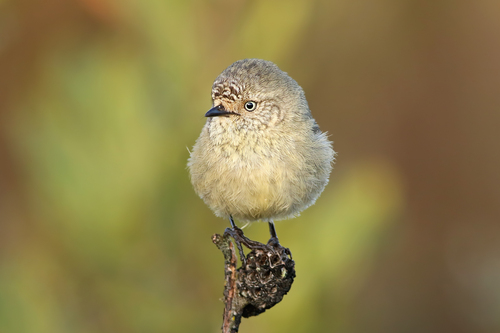 slender-billed thornbill
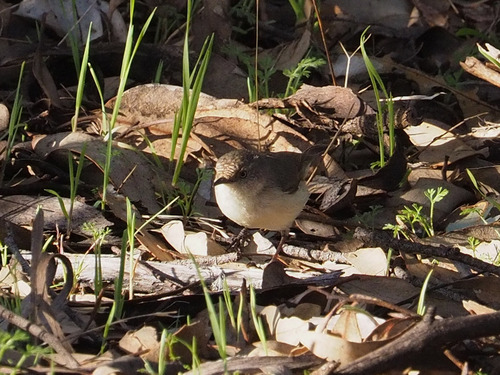 western thornbill
Em resumo
A marca de campo mais confiável entre slender-billed thornbill e western thornbill é o tom e padrão geral das partes superiores: slender-billed thornbill tem um dorso cinza-oliva a marrom-oliva com uma base amarelo-oliva na cauda, enquanto western thornbill apresenta uma touca e dorso cinza-marrom mais uniformes, com um tom geralmente mais marrom. Ambas as espécies têm ventres claros, mas o de slender-billed thornbill é um creme suave, enquanto o de western thornbill é um creme pálido. A cor do bico e a cor dos olhos (bico escuro, olhos claros em slender-billed) podem ajudar, mas cuidado com a sobreposição de tamanho e sutilezas na plumagem. O contexto do habitat pode ser uma pista forte, já que slender-billed está ligado a arbustos e pântanos salinos, enquanto western prefere florestas abertas e arbustos costeiros.
Dicas de identificação
- Cor do dorso: slender-billed thornbill tem um dorso cinza-oliva a marrom-oliva, enquanto western thornbill é mais cinza-marrom e geralmente mais marrom no geral. Esta é frequentemente a primeira impressão em campo.
- Cor da base da cauda: Procure pela base amarelo-oliva na cauda em slender-billed thornbill, que está ausente em western thornbill (a cor da cauda não é descrita como distintiva).
- Tom do ventre: Ambas as espécies têm partes inferiores claras, mas o de slender-billed é um creme suave, enquanto o de western é um creme pálido. Isso é sutil e é melhor usado em combinação com outras marcas.
- Cor da touca: western thornbill tem uma touca cinza-marrom, que não é descrita para slender-billed thornbill. Se a coroa parecer distintamente marronácea, é mais provável que seja western.
- Cor do bico e dos olhos: slender-billed thornbill tem um bico escuro e olhos claros. A cor do bico em western thornbill não é descrita, então isso pode ajudar se visto bem.
- Padrão facial: Nenhuma das espécies apresenta marcas faciais fortes, então não confie em supercílios ou lore para separação.
- Padrão das asas e de voo: Nenhum painel de asa, triângulos ou marcas de voo distintivas são descritas para qualquer uma das espécies em qualquer idade. Não confie no padrão da asa superior em voo.
- Plumagem juvenil/imatura: Nenhuma marca juvenil ou imatura única é descrita para qualquer uma das espécies, então use marcas de campo de adultos para todas as idades.
- Comportamento: slender-billed thornbill geralmente está em bandos ou pares e forrageia mais alto em arbustos e árvores, raramente no chão. Se você ver um bando de thornbills forrageando e permanecendo fora do chão em arbustos baixos, considere slender-billed.
- Habitat: Em pântanos salinos, margens de lagos salgados ou heath baixo em planícies arenosas, espere encontrar slender-billed thornbill. Em florestas abertas (karri/jarrah), jardins ou arbustos costeiros, western thornbill é mais provável.
- Distribuição geográfica: slender-billed thornbill tem várias populações isoladas, principalmente na Austrália Ocidental e do Sul e na parte ocidental de Victoria, com diferenças entre subespécies. western thornbill é endêmico do sudoeste da Austrália. Verifique sua localização em relação às distribuições conhecidas.
- Tamanho: Ambas são pequenas, com sobreposição completa em comprimento e massa. Não use o tamanho como um separador primário.
- Contexto social: Se você ver um grupo de 8–10 thornbills em habitat de arbustos adequado, é mais provável que seja slender-billed, já que o comportamento de bandos de western não é especificado.
- Voz: Nenhuma diferença vocal é descrita nas fontes, então não use chamadas ou canções para separação.
- Estação/sexo: Nenhum dimorfismo sexual ou mudança sazonal na plumagem é descrito para qualquer uma das espécies; use as mesmas marcas durante todo o ano e para ambos os sexos.
Tamanho
Ambas as espécies são muito próximas em tamanho, com slender-billed thornbill variando de 9–10 cm de comprimento e western thornbill de 8–10 cm. western thornbill é ligeiramente mais leve (6–8 g), mas isso não é uma marca de campo confiável. O tamanho sozinho não é um separador seguro em campo, já que a sobreposição é completa.
Plumagem
Para todas as idades, slender-billed thornbill apresenta um dorso cinza-oliva a marrom-oliva e uma base amarelo-oliva distinta na cauda, contrastando com seu ventre suave e cremoso. western thornbill, por outro lado, tem uma touca e dorso cinza-marrom mais uniformes, com uma impressão geral mais marrom e um ventre cremoso pálido. Nenhuma marca de asa ou de voo específica para idade é descrita para qualquer uma das espécies, então a separação depende de diferenças sutis no tom geral e na cor da base da cauda. Ambas as espécies carecem de marcas faciais fortes ou painéis de asa. Plumagens juvenis e imaturas não são descritas como distintivamente diferentes de adultos nas fontes disponíveis, então esses contrastes se aplicam a todas as idades.
Comportamento
slender-billed thornbill raramente é visto sozinho, tipicamente se movendo em bandos de 8–10 ou em pares, e forrageia principalmente em arbustos e árvores, raramente no chão. O comportamento social e de forrageio de western thornbill não é detalhado nas fontes, mas ambas são thornbills típicos por serem ativas e frequentemente se movendo através da vegetação baixa. A preferência de slender-billed por elevações mais altas em arbustos pode ser uma pista comportamental sutil.
Habitat
O habitat é um separador útil: slender-billed thornbill é encontrado em arbustos e pântanos salinos, especialmente ao redor de lagos salgados ou heath baixo em planícies arenosas, e está ausente de florestas verdadeiras. western thornbill é restrito ao sudoeste da Austrália e prefere florestas abertas (florestas de karri e jarrah), jardins e arbustos costeiros. Se você estiver em uma floresta densa ou verdadeira, western thornbill é mais provável; em pântanos salinos ou arbustos baixos, slender-billed é favorecido.
slender-billed thornbill · western thornbill · Minhas aves difíceis