

Motmot

Mulgadoornsnavel vs Kaap-Leeuwindoornsnavel

Acanthiza iredalei versus Acanthiza inornata

Speel een quiz met Mulgadoornsnavel en Kaap-Leeuwindoornsnavel
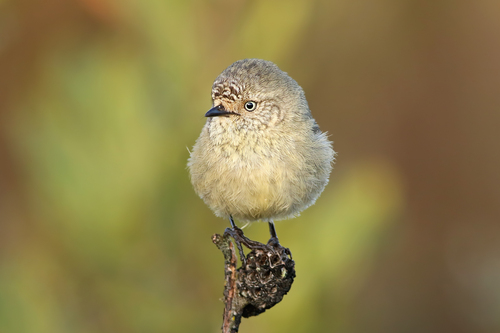
Mulgadoornsnavel (Acanthiza iredalei) Mulgadoornsnavel
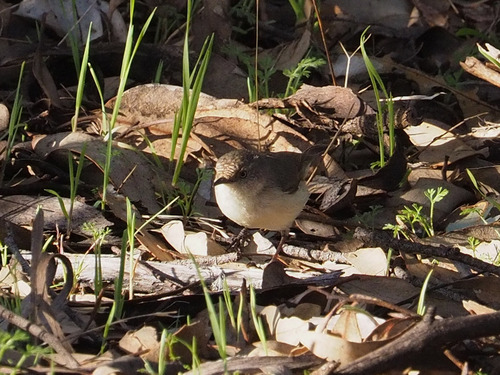
Kaap-Leeuwindoornsnavel (Acanthiza inornata) Kaap-Leeuwindoornsnavel

Media

Laden…

Kort gezegd

The most reliable field mark between Slender-billed Thornbill and Western Thornbill is the overall tone and pattern of the upperparts: Slender-billed Thornbill has an olive-grey to olive-brown back with an olive-yellow base to the tail, while Western Thornbill shows a more uniform grayish-brown cap and back with a generally browner cast. Both species have pale underbellies, but Slender-billed Thornbill’s is a smooth cream, and Western Thornbill’s is creamy pale. Bill color and eye color (dark bill, pale eyes in Slender-billed) can help, but beware overlap in size and subtlety in plumage. Habitat context can be a strong clue, as Slender-billed is tied to shrublands and saltmarsh, while Western prefers open woodlands and coastal scrub.

Herkenningstips

  1. Back color: Slender-billed Thornbill has an olive-grey to olive-brown back, while Western Thornbill is more grayish-brown and generally browner overall. This is often the first impression in the field.
  2. Tail base color: Look for the olive-yellow base to the tail in Slender-billed Thornbill, which is lacking in Western Thornbill (tail color not described as distinctive).
  3. Underbelly tone: Both species have pale underparts, but Slender-billed’s is a smooth cream, while Western’s is creamy pale. This is subtle and best used in combination with other marks.
  4. Cap color: Western Thornbill has a grayish-brown cap, which is not described for Slender-billed Thornbill. If the crown appears distinctly brownish, Western is more likely.
  5. Bill and eye color: Slender-billed Thornbill has a dark bill and pale eyes. Bill color in Western Thornbill is not described, so this may help if seen well.
  6. Facial pattern: Neither species shows strong facial markings, so do not rely on supercilium or lores for separation.
  7. Wing and flight pattern: No distinctive wing panels, triangles, or flight marks are described for either species at any age. Do not rely on upperwing pattern in flight.
  8. Juvenile/immature plumage: No unique juvenile or immature marks are described for either species, so use adult field marks for all ages.
  9. Behavior: Slender-billed Thornbill is usually in flocks or pairs and forages higher in shrubs and trees, rarely on the ground. If you see a thornbill flocking and staying off the ground in low shrubland, consider Slender-billed.
  10. Habitat: In saltmarsh, salt lake margins, or low heath on sandplains, expect Slender-billed Thornbill. In open woodland (karri/jarrah), gardens, or coastal scrub, Western Thornbill is more likely.
  11. Geographic range: Slender-billed Thornbill has several isolated populations, mainly in Western and South Australia and western Victoria, with subspecies differences. Western Thornbill is endemic to southwestern Australia. Check your location against known ranges.
  12. Size: Both are tiny, with complete overlap in length and mass. Do not use size as a primary separator.
  13. Social context: If you see a group of 8–10 thornbills in suitable shrubland habitat, Slender-billed is more likely, as Western’s flocking behavior is not specified.
  14. Voice: No vocal differences are described in the sources, so do not use calls or song for separation.
  15. Season/sex: No sexual dimorphism or seasonal plumage change is described for either species; use the same marks year-round and for both sexes.

Grootte

Both species are very close in size, with Slender-billed Thornbill ranging from 9–10 cm in length and Western Thornbill from 8–10 cm. Western Thornbill is slightly lighter (6–8 g) but this is not a reliable field mark. Size alone is not a safe separator in the field, as overlap is complete.

Verenkleed

For all ages, Slender-billed Thornbill shows an olive-grey to olive-brown back and a distinctive olive-yellow base to the tail, contrasting with its smooth cream underbelly. Western Thornbill, by contrast, has a more uniform grayish-brown cap and back, with a generally browner overall impression and a creamy pale underbelly. No distinctive age-specific upperwing or flight marks are described for either species, so separation relies on subtle differences in overall tone and tail base color. Both species lack strong facial markings or wing panels. Juvenile and immature plumages are not described as distinctively different from adults in available sources, so these contrasts hold for all ages.

Gedrag

Slender-billed Thornbill is rarely seen alone, typically moving in flocks of 8–10 or in pairs, and forages mostly in shrubs and trees, rarely on the ground. Western Thornbill’s social and foraging behavior is not detailed in the sources, but both are typical thornbills in being active and often moving through low vegetation. Slender-billed’s preference for higher elevations in shrubs may be a subtle behavioral clue.

Habitat

Habitat is a useful separator: Slender-billed Thornbill is found in shrublands and saltmarshes, especially around salt lakes or low heath on sand plains, and is absent from true forest. Western Thornbill is restricted to southwestern Australia and prefers open woodlands (karri and jarrah forests), gardens, and coastal scrub. If you are in dense woodland or forest, Western Thornbill is more likely; in saltmarsh or low shrubland, Slender-billed is favored.

Stuur een betere beschrijving

Gebruik dezelfde onderdelen als de vergelijking. Je tekst staat meteen live.

The most reliable field mark between Slender-billed Thornbill and Western Thornbill is the overall tone and pattern of the upperparts: Slender-billed Thornbill has an olive-grey to olive-brown back with an olive-yellow base to the tail, while Western Thornbill shows a more uniform grayish-brown cap and back with a generally browner cast. Both species have pale underbellies, but Slender-billed Thornbill’s is a smooth cream, and Western Thornbill’s is creamy pale. Bill color and eye color (dark bill, pale eyes in Slender-billed) can help, but beware overlap in size and subtlety in plumage. Habitat context can be a strong clue, as Slender-billed is tied to shrublands and saltmarsh, while Western prefers open woodlands and coastal scrub.

  1. Back color: Slender-billed Thornbill has an olive-grey to olive-brown back, while Western Thornbill is more grayish-brown and generally browner overall. This is often the first impression in the field.
  2. Tail base color: Look for the olive-yellow base to the tail in Slender-billed Thornbill, which is lacking in Western Thornbill (tail color not described as distinctive).
  3. Underbelly tone: Both species have pale underparts, but Slender-billed’s is a smooth cream, while Western’s is creamy pale. This is subtle and best used in combination with other marks.
  4. Cap color: Western Thornbill has a grayish-brown cap, which is not described for Slender-billed Thornbill. If the crown appears distinctly brownish, Western is more likely.
  5. Bill and eye color: Slender-billed Thornbill has a dark bill and pale eyes. Bill color in Western Thornbill is not described, so this may help if seen well.
  6. Facial pattern: Neither species shows strong facial markings, so do not rely on supercilium or lores for separation.
  7. Wing and flight pattern: No distinctive wing panels, triangles, or flight marks are described for either species at any age. Do not rely on upperwing pattern in flight.
  8. Juvenile/immature plumage: No unique juvenile or immature marks are described for either species, so use adult field marks for all ages.
  9. Behavior: Slender-billed Thornbill is usually in flocks or pairs and forages higher in shrubs and trees, rarely on the ground. If you see a thornbill flocking and staying off the ground in low shrubland, consider Slender-billed.
  10. Habitat: In saltmarsh, salt lake margins, or low heath on sandplains, expect Slender-billed Thornbill. In open woodland (karri/jarrah), gardens, or coastal scrub, Western Thornbill is more likely.
  11. Geographic range: Slender-billed Thornbill has several isolated populations, mainly in Western and South Australia and western Victoria, with subspecies differences. Western Thornbill is endemic to southwestern Australia. Check your location against known ranges.
  12. Size: Both are tiny, with complete overlap in length and mass. Do not use size as a primary separator.
  13. Social context: If you see a group of 8–10 thornbills in suitable shrubland habitat, Slender-billed is more likely, as Western’s flocking behavior is not specified.
  14. Voice: No vocal differences are described in the sources, so do not use calls or song for separation.
  15. Season/sex: No sexual dimorphism or seasonal plumage change is described for either species; use the same marks year-round and for both sexes.

Both species are very close in size, with Slender-billed Thornbill ranging from 9–10 cm in length and Western Thornbill from 8–10 cm. Western Thornbill is slightly lighter (6–8 g) but this is not a reliable field mark. Size alone is not a safe separator in the field, as overlap is complete.

For all ages, Slender-billed Thornbill shows an olive-grey to olive-brown back and a distinctive olive-yellow base to the tail, contrasting with its smooth cream underbelly. Western Thornbill, by contrast, has a more uniform grayish-brown cap and back, with a generally browner overall impression and a creamy pale underbelly. No distinctive age-specific upperwing or flight marks are described for either species, so separation relies on subtle differences in overall tone and tail base color. Both species lack strong facial markings or wing panels. Juvenile and immature plumages are not described as distinctively different from adults in available sources, so these contrasts hold for all ages.

Slender-billed Thornbill is rarely seen alone, typically moving in flocks of 8–10 or in pairs, and forages mostly in shrubs and trees, rarely on the ground. Western Thornbill’s social and foraging behavior is not detailed in the sources, but both are typical thornbills in being active and often moving through low vegetation. Slender-billed’s preference for higher elevations in shrubs may be a subtle behavioral clue.

Habitat is a useful separator: Slender-billed Thornbill is found in shrublands and saltmarshes, especially around salt lakes or low heath on sand plains, and is absent from true forest. Western Thornbill is restricted to southwestern Australia and prefers open woodlands (karri and jarrah forests), gardens, and coastal scrub. If you are in dense woodland or forest, Western Thornbill is more likely; in saltmarsh or low shrubland, Slender-billed is favored.

Wijzigingen weggooien?

Je hebt niet-opgeslagen wijzigingen. Als je nu weggaat, gaan die verloren.

Mulgadoornsnavel · Kaap-Leeuwindoornsnavel · Mijn lastige vogels