

Motmot

slaty-backed flycatcher vs slaty-blue flycatcher

Ficedula erithacus versus Ficedula tricolor

Jogue um quiz com slaty-backed flycatcher e slaty-blue flycatcher
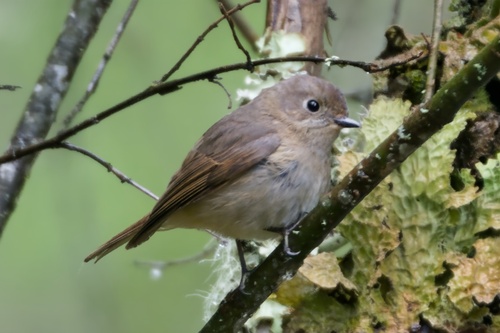
slaty-backed flycatcher (Ficedula erithacus) slaty-backed flycatcher
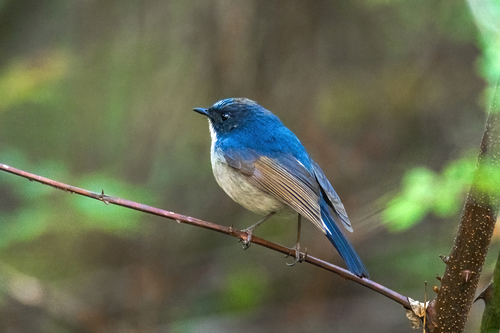
slaty-blue flycatcher (Ficedula tricolor) slaty-blue flycatcher

Mídia

Carregando…

Em resumo

Slaty-backed Flycatcher and Slaty-blue Flycatcher are both small Ficedula flycatchers of the eastern Himalayas and adjacent regions, but they differ subtly in plumage and habitat preferences. The most reliable field mark, when visible, is the overall tone and distribution of blue or slaty coloration: Slaty-backed Flycatcher shows a more uniform slaty-grey back, while Slaty-blue Flycatcher has a bluer tone, especially on the upperparts. Both species can be confusing in poor light or with immature birds, so careful attention to upperpart color and habitat context is key. Structural differences are subtle and not well documented in the available sources.

Dicas de identificação

  1. Upperpart Coloration (Adults): Slaty-backed Flycatcher has a more uniform slaty-grey back and upperparts, while Slaty-blue Flycatcher is noticeably bluer, especially on the head and back. This is most reliable in good light on adult males.
  2. Head-to-Back Contrast: Slaty-blue Flycatcher may show a subtle contrast between a deeper blue head and a paler blue back, whereas Slaty-backed Flycatcher is more even-toned across the upperparts. This mark is subtle and best used as a supporting feature.
  3. Immature Plumage: No distinctive juvenile or immature wing or flight pattern differences are documented in the available sources. Exercise caution with young birds, as their plumage may lack the diagnostic blue or slaty tones.
  4. Wing Pattern: Neither species is described as having a unique upperwing or flight pattern (such as a black 'W', pale panel, or distinctive trailing edge) that would separate them in flight or at rest.
  5. Bill and Structure: Both species are similar in size and structure, with no documented differences in bill shape, tail length, or primary projection. Do not rely on structure for separation.
  6. Sexual Dimorphism: The sources do not specify differences between sexes for either species; assume that females and immatures may be duller and less distinctive, increasing the risk of confusion.
  7. Perched vs. In-Flight Views: Since neither species has a distinctive flight pattern or wing mark, focus on perched birds for color differences.
  8. Habitat Context: If seen in moist lowland or montane forest in the eastern Himalayas or Yunnan, consider Slaty-backed Flycatcher slightly more likely, but both species can overlap in range and habitat.
  9. Seasonality: Slaty-backed Flycatcher is migratory, wintering to northern Indochina. If seen in winter in that region, Slaty-backed is more likely, but check local checklists for overlap.
  10. Vocalizations: No vocal differences are provided in the available sources. Do not use voice for separation unless you have region-specific recordings.
  11. Lighting Pitfalls: Both species can appear greyish or bluish depending on light conditions. Always try to view the bird in natural, direct light before making an identification.
  12. Community Input: If uncertain, consult local birders or photographic guides, as subtle color differences can be challenging even for experienced observers.
  13. Checklist Support: Use eBird or local checklists to see which species is more likely in your specific location and season, but do not rely solely on probability for identification.
  14. Photograph for Review: If possible, photograph the bird for later comparison, as subtle color differences can be more easily assessed on a screen.

Tamanho

Both species are small flycatchers in the same genus, and available sources do not indicate a meaningful size difference for field identification. Expect similar proportions and mass when seen side-by-side.

Plumagem

For adults, Slaty-backed Flycatcher shows a more uniform slaty-grey coloration on the back and upperparts, with less contrast between the head and mantle. Slaty-blue Flycatcher, as its name suggests, is bluer overall, particularly on the upperparts, and may show a slight contrast between the deeper blue of the head and the paler blue of the back. Juvenile and immature plumages are not described in detail in the available sources, so caution is warranted with young birds. No distinctive upperwing or flight pattern differences are documented for either species in the references provided.

Comportamento

Both species are typical Ficedula flycatchers, likely to perch upright and sally for insects. No behavioral differences are documented in the available sources that would reliably separate these two species in the field.

Habitat

Slaty-backed Flycatcher is associated with subtropical or tropical moist lowland and montane forests, especially in the eastern Himalayas, central China, and Yunnan, wintering to northern Indochina. While Slaty-blue Flycatcher is not described in detail here, both species overlap in broad forested habitats, but Slaty-backed may be more tied to moist forest types. Use habitat as a supporting clue, not a primary field mark.

Enviar uma descrição melhor

Use as mesmas seções da comparação. Seu texto é publicado na hora.

Slaty-backed Flycatcher and Slaty-blue Flycatcher are both small Ficedula flycatchers of the eastern Himalayas and adjacent regions, but they differ subtly in plumage and habitat preferences. The most reliable field mark, when visible, is the overall tone and distribution of blue or slaty coloration: Slaty-backed Flycatcher shows a more uniform slaty-grey back, while Slaty-blue Flycatcher has a bluer tone, especially on the upperparts. Both species can be confusing in poor light or with immature birds, so careful attention to upperpart color and habitat context is key. Structural differences are subtle and not well documented in the available sources.

  1. Upperpart Coloration (Adults): Slaty-backed Flycatcher has a more uniform slaty-grey back and upperparts, while Slaty-blue Flycatcher is noticeably bluer, especially on the head and back. This is most reliable in good light on adult males.
  2. Head-to-Back Contrast: Slaty-blue Flycatcher may show a subtle contrast between a deeper blue head and a paler blue back, whereas Slaty-backed Flycatcher is more even-toned across the upperparts. This mark is subtle and best used as a supporting feature.
  3. Immature Plumage: No distinctive juvenile or immature wing or flight pattern differences are documented in the available sources. Exercise caution with young birds, as their plumage may lack the diagnostic blue or slaty tones.
  4. Wing Pattern: Neither species is described as having a unique upperwing or flight pattern (such as a black 'W', pale panel, or distinctive trailing edge) that would separate them in flight or at rest.
  5. Bill and Structure: Both species are similar in size and structure, with no documented differences in bill shape, tail length, or primary projection. Do not rely on structure for separation.
  6. Sexual Dimorphism: The sources do not specify differences between sexes for either species; assume that females and immatures may be duller and less distinctive, increasing the risk of confusion.
  7. Perched vs. In-Flight Views: Since neither species has a distinctive flight pattern or wing mark, focus on perched birds for color differences.
  8. Habitat Context: If seen in moist lowland or montane forest in the eastern Himalayas or Yunnan, consider Slaty-backed Flycatcher slightly more likely, but both species can overlap in range and habitat.
  9. Seasonality: Slaty-backed Flycatcher is migratory, wintering to northern Indochina. If seen in winter in that region, Slaty-backed is more likely, but check local checklists for overlap.
  10. Vocalizations: No vocal differences are provided in the available sources. Do not use voice for separation unless you have region-specific recordings.
  11. Lighting Pitfalls: Both species can appear greyish or bluish depending on light conditions. Always try to view the bird in natural, direct light before making an identification.
  12. Community Input: If uncertain, consult local birders or photographic guides, as subtle color differences can be challenging even for experienced observers.
  13. Checklist Support: Use eBird or local checklists to see which species is more likely in your specific location and season, but do not rely solely on probability for identification.
  14. Photograph for Review: If possible, photograph the bird for later comparison, as subtle color differences can be more easily assessed on a screen.

Both species are small flycatchers in the same genus, and available sources do not indicate a meaningful size difference for field identification. Expect similar proportions and mass when seen side-by-side.

For adults, Slaty-backed Flycatcher shows a more uniform slaty-grey coloration on the back and upperparts, with less contrast between the head and mantle. Slaty-blue Flycatcher, as its name suggests, is bluer overall, particularly on the upperparts, and may show a slight contrast between the deeper blue of the head and the paler blue of the back. Juvenile and immature plumages are not described in detail in the available sources, so caution is warranted with young birds. No distinctive upperwing or flight pattern differences are documented for either species in the references provided.

Both species are typical Ficedula flycatchers, likely to perch upright and sally for insects. No behavioral differences are documented in the available sources that would reliably separate these two species in the field.

Slaty-backed Flycatcher is associated with subtropical or tropical moist lowland and montane forests, especially in the eastern Himalayas, central China, and Yunnan, wintering to northern Indochina. While Slaty-blue Flycatcher is not described in detail here, both species overlap in broad forested habitats, but Slaty-backed may be more tied to moist forest types. Use habitat as a supporting clue, not a primary field mark.

Descartar as alterações?

Você tem edições não salvas. Se sair agora, elas serão perdidas.

slaty-backed flycatcher · slaty-blue flycatcher · Minhas aves difíceis