

Motmot

セアオビタキ 対 カオグロヒタキ

Ficedula erithacus 対 Ficedula tricolor

セアオビタキとカオグロヒタキのクイズ
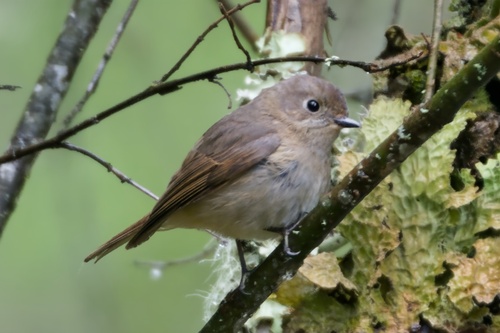
セアオビタキ (Ficedula erithacus) セアオビタキ
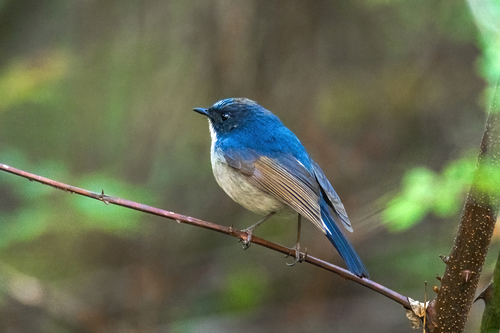
カオグロヒタキ (Ficedula tricolor) カオグロヒタキ

メディア

読み込み中…

要点

セアオビタキとカオグロヒタキは、どちらも東ヒマラヤとその周辺地域に生息する小型のFicedulaフライキャッチャーですが、羽毛と生息地の好みにおいて微妙に異なります。最も信頼できるフィールドマークは、青またはスレート色の全体的なトーンと分布です:セアオビタキはより均一なスレートグレーの背中を示し、カオグロヒタキは特に上面で青みがかったトーンを持っています。両種は、光が不十分な場合や未熟な個体では混乱を招くことがあるため、上面の色と生息地の文脈に注意を払うことが重要です。構造的な違いは微妙で、利用可能な情報源では十分に文書化されていません。

識別のコツ

  1. Upperpart Coloration (Adults): セアオビタキはより均一なスレートグレーの背中と上面を持ち、カオグロヒタキは特に頭部と背中で明らかに青みがかっています。これは成鳥のオスにおいて良好な光の下で最も信頼できます。
  2. Head-to-Back Contrast: カオグロヒタキは、より深い青の頭部と淡い青の背中の間に微妙なコントラストを示すことがありますが、セアオビタキは上面全体でより均一なトーンを持っています。このマークは微妙で、補助的な特徴として使用するのが最適です。
  3. Immature Plumage: 利用可能な情報源には、特異な幼鳥や未熟な翼または飛行パターンの違いは文書化されていません。若い鳥には注意を払い、羽毛が診断的な青またはスレート色のトーンを欠く可能性があります。
  4. Wing Pattern: どちらの種も、飛行中または休息中にそれらを区別するユニークな上翼または飛行パターン(黒い「W」、淡いパネル、または特異な後縁など)を持つとは記述されていません。
  5. Bill and Structure: 両種はサイズと構造が似ており、くちばしの形、尾の長さ、または主翼の突出において文書化された違いはありません。区別のために構造に依存しないでください。
  6. Sexual Dimorphism: 情報源には、どちらの種の性別間の違いは指定されていません。雌や未熟な個体はより鈍い色合いで特徴が少ない可能性があるため、混乱のリスクが高まります。
  7. Perched vs. In-Flight Views: どちらの種も特異な飛行パターンや翼のマークを持たないため、色の違いを確認するために止まっている鳥に焦点を当ててください。
  8. Habitat Context: 東ヒマラヤまたは雲南の湿った低地または山地の森林で見られた場合、セアオビタキの方がわずかに可能性が高いと考えられますが、両種は範囲と生息地で重なることがあります。
  9. Seasonality: セアオビタキは移動性で、北インドシナで越冬します。その地域で冬に見られた場合、セアオビタキの方が可能性が高いですが、重複のために地元のチェックリストを確認してください。
  10. Vocalizations: 利用可能な情報源には音声の違いは提供されていません。地域特有の録音がない限り、音声による区別は使用しないでください。
  11. Lighting Pitfalls: 両種は光の条件によって灰色がかったり青みがかったり見えることがあります。識別を行う前に、常に自然で直接的な光の下で鳥を観察するようにしてください。
  12. Community Input: 不確かな場合は、地元のバーダーや写真ガイドに相談してください。微妙な色の違いは、経験豊富な観察者にとっても挑戦的です。
  13. Checklist Support: eBirdや地元のチェックリストを使用して、特定の場所と季節でどの種がより可能性が高いかを確認してください。ただし、識別のために確率だけに依存しないでください。
  14. Photograph for Review: 可能であれば、後で比較するために鳥の写真を撮影してください。微妙な色の違いは画面上でより簡単に評価できます。

大きさ

両種は同じ属の小型フライキャッチャーであり、利用可能な情報源にはフィールド識別のための意味のあるサイズの違いは示されていません。並んで見ると、同様の比率と質量が期待されます。

羽色

成鳥の場合、セアオビタキは背中と上面により均一なスレートグレーの色合いを示し、頭部とマントルの間のコントラストは少なくなります。カオグロヒタキは、その名前が示すように、全体的に青みがかっており、特に上面で、頭部の深い青と背中の淡い青の間にわずかなコントラストを示すことがあります。幼鳥や未熟な羽毛は利用可能な情報源で詳細に記述されていないため、若い鳥には注意が必要です。提供された参考文献には、どちらの種についても特異な上翼や飛行パターンの違いは文書化されていません。

行動

両種は典型的なFicedulaフライキャッチャーであり、直立して止まり、昆虫を捕まえることが予想されます。フィールドでこれらの2種を確実に区別するための行動の違いは、利用可能な情報源には文書化されていません。

生息環境

セアオビタキは、特に東ヒマラヤ、中国中部、雲南の亜熱帯または熱帯の湿った低地および山地の森林に関連しています。北インドシナで越冬します。カオグロヒタキはここで詳細に記述されていませんが、両種は広範な森林生息地で重なりますが、セアオビタキは湿った森林タイプにより結びついている可能性があります。生息地は補助的な手がかりとして使用し、主要なフィールドマークとしては使用しないでください。

より良い説明を送る

比較と同じ項目を使ってください。文章はすぐに公開されます。

Slaty-backed Flycatcher and Slaty-blue Flycatcher are both small Ficedula flycatchers of the eastern Himalayas and adjacent regions, but they differ subtly in plumage and habitat preferences. The most reliable field mark, when visible, is the overall tone and distribution of blue or slaty coloration: Slaty-backed Flycatcher shows a more uniform slaty-grey back, while Slaty-blue Flycatcher has a bluer tone, especially on the upperparts. Both species can be confusing in poor light or with immature birds, so careful attention to upperpart color and habitat context is key. Structural differences are subtle and not well documented in the available sources.

  1. Upperpart Coloration (Adults): Slaty-backed Flycatcher has a more uniform slaty-grey back and upperparts, while Slaty-blue Flycatcher is noticeably bluer, especially on the head and back. This is most reliable in good light on adult males.
  2. Head-to-Back Contrast: Slaty-blue Flycatcher may show a subtle contrast between a deeper blue head and a paler blue back, whereas Slaty-backed Flycatcher is more even-toned across the upperparts. This mark is subtle and best used as a supporting feature.
  3. Immature Plumage: No distinctive juvenile or immature wing or flight pattern differences are documented in the available sources. Exercise caution with young birds, as their plumage may lack the diagnostic blue or slaty tones.
  4. Wing Pattern: Neither species is described as having a unique upperwing or flight pattern (such as a black 'W', pale panel, or distinctive trailing edge) that would separate them in flight or at rest.
  5. Bill and Structure: Both species are similar in size and structure, with no documented differences in bill shape, tail length, or primary projection. Do not rely on structure for separation.
  6. Sexual Dimorphism: The sources do not specify differences between sexes for either species; assume that females and immatures may be duller and less distinctive, increasing the risk of confusion.
  7. Perched vs. In-Flight Views: Since neither species has a distinctive flight pattern or wing mark, focus on perched birds for color differences.
  8. Habitat Context: If seen in moist lowland or montane forest in the eastern Himalayas or Yunnan, consider Slaty-backed Flycatcher slightly more likely, but both species can overlap in range and habitat.
  9. Seasonality: Slaty-backed Flycatcher is migratory, wintering to northern Indochina. If seen in winter in that region, Slaty-backed is more likely, but check local checklists for overlap.
  10. Vocalizations: No vocal differences are provided in the available sources. Do not use voice for separation unless you have region-specific recordings.
  11. Lighting Pitfalls: Both species can appear greyish or bluish depending on light conditions. Always try to view the bird in natural, direct light before making an identification.
  12. Community Input: If uncertain, consult local birders or photographic guides, as subtle color differences can be challenging even for experienced observers.
  13. Checklist Support: Use eBird or local checklists to see which species is more likely in your specific location and season, but do not rely solely on probability for identification.
  14. Photograph for Review: If possible, photograph the bird for later comparison, as subtle color differences can be more easily assessed on a screen.

Both species are small flycatchers in the same genus, and available sources do not indicate a meaningful size difference for field identification. Expect similar proportions and mass when seen side-by-side.

For adults, Slaty-backed Flycatcher shows a more uniform slaty-grey coloration on the back and upperparts, with less contrast between the head and mantle. Slaty-blue Flycatcher, as its name suggests, is bluer overall, particularly on the upperparts, and may show a slight contrast between the deeper blue of the head and the paler blue of the back. Juvenile and immature plumages are not described in detail in the available sources, so caution is warranted with young birds. No distinctive upperwing or flight pattern differences are documented for either species in the references provided.

Both species are typical Ficedula flycatchers, likely to perch upright and sally for insects. No behavioral differences are documented in the available sources that would reliably separate these two species in the field.

Slaty-backed Flycatcher is associated with subtropical or tropical moist lowland and montane forests, especially in the eastern Himalayas, central China, and Yunnan, wintering to northern Indochina. While Slaty-blue Flycatcher is not described in detail here, both species overlap in broad forested habitats, but Slaty-backed may be more tied to moist forest types. Use habitat as a supporting clue, not a primary field mark.

変更を破棄しますか?

保存していない編集があります。今離れると失われます。

セアオビタキ · カオグロヒタキ · 苦手な鳥