

pisco-de-garganta-vermelha vs papa-moscas-real-oriental
Calliope calliope versus Ficedula albicilla
Jogue um quiz com pisco-de-garganta-vermelha e papa-moscas-real-oriental
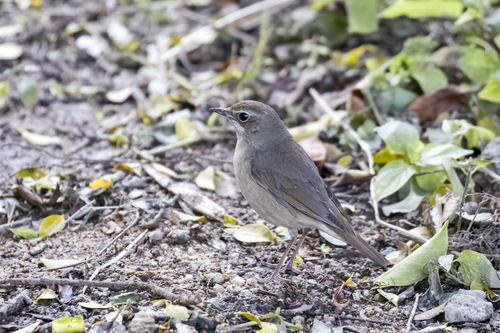 pisco-de-garganta-vermelha
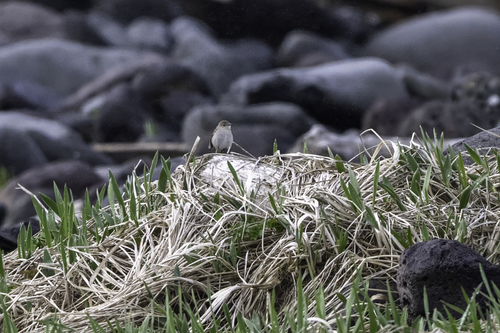 papa-moscas-real-oriental
Em resumo
A marca de campo mais confiável é a garganta: o macho adulto do pisco-de-garganta-vermelha apresenta uma garganta vermelha vívida com bordas pretas e brancas, enquanto o macho do papa-moscas-real-oriental em plumagem de reprodução tem uma mancha de garganta laranja-avermelhada menor, sem bordas marcantes. Fêmeas e imaturos são mais complicados, mas o pisco-de-garganta-vermelha sempre tem um supercílio branco forte e partes superiores marrons simples, enquanto as fêmeas do papa-moscas-real-oriental apresentam um padrão facial mais sutil e uma cauda escura com flancos brancos. Se vistos em voo ou de trás, o padrão da cauda é fundamental: o papa-moscas-real-oriental tem uma cauda escura com lados brancos, enquanto a cauda do pisco-de-garganta-vermelha é escura com manchas laterais avermelhadas. Ambos são pequenos chats eretos, mas a atenção cuidadosa ao rosto, garganta e padrões de cauda os separará na maioria das vistas.
Dicas de identificação
- Cor e bordas da garganta do macho adulto: Machos do pisco-de-garganta-vermelha têm uma garganta vermelha vívida nitidamente contornada por preto e depois branco; machos do papa-moscas-real-oriental têm uma mancha de garganta laranja-avermelhada menor, sem bordas marcantes. Esta é a marca mais confiável na primavera/verão.
- Força do supercílio: O pisco-de-garganta-vermelha (todas as idades/sexos) apresenta um supercílio branco forte e ousado, muito proeminente mesmo em luz fraca. O supercílio do papa-moscas-real-oriental é fraco ou tênue, especialmente em fêmeas e imaturos.
- Padrão da cauda em voo ou aberta: O papa-moscas-real-oriental de todas as idades apresenta uma cauda escura com flancos brancos nítidos, frequentemente visíveis quando a cauda está aberta. O pisco-de-garganta-vermelha tem uma cauda escura com manchas laterais avermelhadas, sem qualquer branco—procure por essa diferença em voo ou quando o pássaro balança a cauda.
- Partes superiores e tom geral: O pisco-de-garganta-vermelha é marrom simples por cima, sem contraste entre o manto e as costas. O papa-moscas-real-oriental também é marrom por cima, mas a cauda é distintamente escura em contraste com as costas marrons, e os lados brancos da cauda podem criar um contraste.
- Garganta e partes inferiores de fêmeas/imaturos: A fêmea do pisco-de-garganta-vermelha não apresenta cor brilhante na garganta, mas ainda mostra o supercílio forte e partes superiores marrons simples. A fêmea do papa-moscas-real-oriental tem um peito amarelado e partes inferiores majoritariamente brancas, sem supercílio forte.
- Padrão facial: O rosto do pisco-de-garganta-vermelha é marcado pelo supercílio forte e, nos machos, pelas bordas da garganta em preto e branco. Machos do papa-moscas-real-oriental em reprodução têm tons azul-acinzentados nas coberturas auriculares e lados do pescoço, mas o padrão facial é, de outra forma, simples.
- Bico e estrutura: Ambas as espécies têm bicos pequenos e finos, típicos de chats/papa-moscas. A estrutura não é um separador confiável.
- Postura e jizz: Ambos são eretos, mas o papa-moscas-real-oriental pode parecer mais ativo e saltar para pegar insetos, enquanto o pisco-de-garganta-vermelha pode ser mais furtivo. Use com cautela.
- Canto: Se ouvido, o canto do pisco-de-garganta-vermelha é uma série dura, semelhante ao canto de um papa-moscas; o canto do papa-moscas-real-oriental não é descrito nas notas e não deve ser considerado.
- Contexto do habitat: Ambas podem ocorrer em habitats semelhantes durante a migração ou como vagantes. Se em sub-bosque denso, considere o pisco-de-garganta-vermelha; se em floresta aberta ou borda, o papa-moscas-real-oriental é mais provável, mas isso não é diagnóstico.
- Estação e sexo: Apenas machos adultos em plumagem de reprodução mostram as cores diagnósticas da garganta; fêmeas e imaturos requerem atenção cuidadosa ao supercílio e padrão da cauda.
- Armadilha—confusão fêmea/imaturo: Fêmeas e imaturos do pisco-de-garganta-vermelha podem ser confundidos com o papa-moscas-real-oriental, mas sempre verifique o supercílio forte e a ausência de branco na cauda.
- Armadilha—vista da cauda: Se apenas a cauda for vista, procure flancos brancos (papa-moscas-real-oriental) vs manchas avermelhadas (pisco-de-garganta-vermelha). A iluminação pode obscurecer essas marcas, então tente obter múltiplas vistas.
- Armadilha—padrão facial em luz fraca: Em luz fraca, o supercílio do pisco-de-garganta-vermelha pode parecer menos ousado, mas ainda é mais forte do que no papa-moscas-real-oriental.
- Sempre combine múltiplas marcas: Nenhuma marca única é perfeita para todas as idades e sexos; use a garganta, supercílio e padrão da cauda juntos para a identificação mais confiável.
Tamanho
Ambas as espécies são pequenos passeriformes da família Muscicapidae, e o tamanho não é um separador confiável em campo. O pisco-de-garganta-vermelha é descrito como ligeiramente maior que o pisco-de-peito-ruivo, enquanto o papa-moscas-real-oriental é semelhante em tamanho a outros pequenos papa-moscas. Qualquer diferença é sutil e facilmente mascarada pela postura ou distância.
Plumagem
- Machos adultos em plumagem de reprodução: O pisco-de-garganta-vermelha se destaca com uma garganta vermelha brilhante contornada por uma faixa preta estreita e depois uma faixa branca larga, além de um supercílio branco forte. Machos do papa-moscas-real-oriental têm uma mancha de garganta laranja-avermelhada menor (não tão extensa ou contornada), com tons azul-acinzentados nas coberturas auriculares e lados do pescoço, e um supercílio menos conspícuo.
- Fêmeas e imaturos: Ambos são marrons por cima, mas as fêmeas do pisco-de-garganta-vermelha têm um supercílio branco forte e partes superiores marrons mais simples. As fêmeas do papa-moscas-real-oriental são marrons por cima com uma cauda escura flanqueada por branco, e um peito amarelado com partes inferiores majoritariamente brancas. O supercílio é menos ousado do que no pisco-de-garganta-vermelha.
- Padrão da cauda (todas as idades): O papa-moscas-real-oriental apresenta uma cauda escura com flancos brancos, especialmente óbvio em voo ou quando a cauda está aberta. O pisco-de-garganta-vermelha tem uma cauda escura com manchas laterais avermelhadas, sem o branco nítido do papa-moscas-real-oriental.
- Asa e cauda de juvenil/imaturo: Nenhum padrão específico de asa juvenil é descrito para ambas as espécies, mas o padrão da cauda continua sendo uma marca útil para todas as idades.
Comportamento
Ambas as espécies se comportam como chats típicos: postura ereta, frequente balançar de cauda e alimentação no chão. Não há um separador comportamental forte nas notas, mas o papa-moscas-real-oriental pode parecer mais ativo e semelhante a um papa-moscas, frequentemente saltando para pegar insetos, enquanto o pisco-de-garganta-vermelha pode se esconder mais em coberturas densas. Essas diferenças são sutis e nem sempre confiáveis.
Habitat
Ambas as espécies se reproduzem no norte da Eurásia e podem se sobrepor durante a migração. O pisco-de-garganta-vermelha é menos provável de ser visto em habitats de floresta aberta ou borda, preferindo sub-bosque denso. O papa-moscas-real-oriental está associado a florestas de taiga, mas é um migrante regular e visitante de inverno em uma ampla gama de habitats florestais. Na Europa, ambas são vagantes raros, então o contexto não é um separador forte, a menos que estejam em áreas típicas de reprodução ou invernada.
Voz
O canto do pisco-de-garganta-vermelha é descrito como semelhante a uma versão mais dura do canto do papa-moscas-jardineiro. Nenhuma descrição detalhada é dada para o canto do papa-moscas-real-oriental nas notas, então a voz não é um separador prático, a menos que o canto distintivo do pisco-de-garganta-vermelha seja ouvido.
pisco-de-garganta-vermelha · papa-moscas-real-oriental · Minhas aves difíceis