

gaivota-relíquia vs famego
Ichthyaetus relictus versus Larus canus
Jogue um quiz com gaivota-relíquia e famego
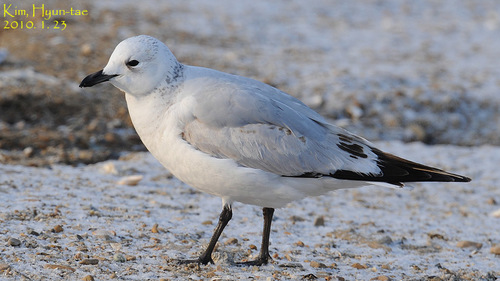 gaivota-relíquia
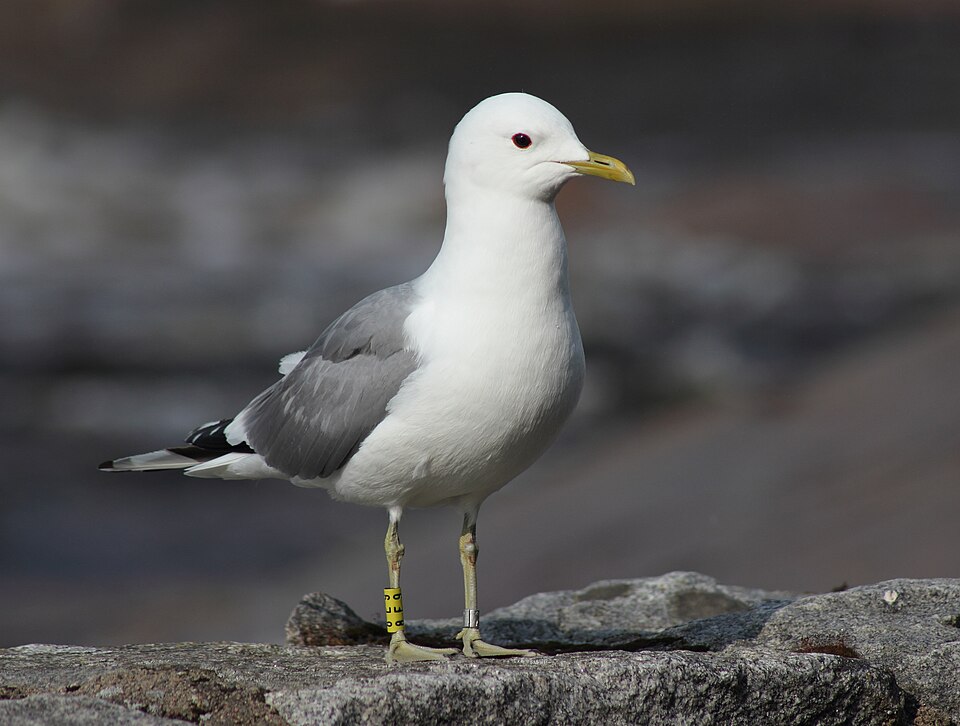 famego
Em resumo
A separação mais confiável entre a gaivota-relíquia e o famego está no padrão das asas e nas marcas da cabeça dos adultos, especialmente em aves não reprodutoras e imaturas. Os adultos da gaivota-relíquia apresentam coberturas auriculares e coroa posterior manchadas de escuro no inverno, com a ausência de uma borda branca na asa externa e marcas subterminais pretas distintas nas primárias; os adultos do famego têm uma cabeça cinza estriada no inverno e 'espelhos' brancos proeminentes nas pontas das asas. As gaivotas imaturas e juvenis mostram um padrão de asas escamoso e pernas rosadas, enquanto as imaturas da gaivota-relíquia são menos bem documentadas, mas carecem da mesma organização. As diferenças estruturais são sutis, mas a gaivota-relíquia é mais robusta, com um corpo mais grosso. A cor do bico e das pernas, especialmente na época de reprodução, também pode ajudar: a gaivota-relíquia tem pernas laranjas e um bico escarlate, enquanto o famego tem pernas amareladas e um bico verde-amarelado.
Dicas de identificação
- Padrão das Asas em Voo (Adultos): A gaivota-relíquia não tem uma borda branca na asa externa e apresenta marcas subterminais pretas isoladas e proeminentes nas primárias externas. O famego tem pontas de asas pretas com grandes 'espelhos' brancos em p9 e p10; estes são visíveis em voo e em repouso com as asas dobradas.
- Padrão da Cabeça (Adultos Não Reprodutores): A gaivota-relíquia tem coberturas auriculares e coroa posterior manchadas de escuro, criando uma aparência sombria. A cabeça do famego no inverno é estriada em cinza, não manchada, e as estrias são mais finas.
- Cor do Bico (Reprodução): A gaivota-relíquia tem um bico escarlate, enquanto o bico do famego é verde-amarelado e sem marcas na plumagem de reprodução.
- Cor das Pernas (Reprodução): As pernas da gaivota-relíquia são laranjas; as do famego são amarelas na época de reprodução, mais apagadas no inverno.
- Aparência com Capuz (Reprodução): A gaivota-relíquia tem um capuz preto completo, incluindo a nuca, com uma testa cinza-marrom e grandes luas brancas ao redor dos olhos. O famego nunca apresenta uma aparência com capuz; sua cabeça é branca limpa na plumagem de reprodução.
- Partes Superiores Juvenis/Imaturas: Os juvenis do famego têm partes superiores pretas e marrons escamosas e pernas rosadas, tornando-se acinzentadas no segundo ano. As imaturas da gaivota-relíquia são menos marcadas e carecem do mesmo padrão escamoso.
- Padrão do Bico (Não Reprodutor): O famego frequentemente apresenta uma faixa preta mal definida perto da ponta do bico no inverno; a gaivota-relíquia não apresenta isso.
- Estrutura Corporal: A gaivota-relíquia é mais robusta e de corpo mais grosso, especialmente perceptível quando empoleirada. O famego é mais esbelto e menos volumoso.
- Tamanho: Ambas são semelhantes em comprimento, mas a gaivota-relíquia parece mais robusta. O tamanho não é uma marca de campo forte, a menos que vistas lado a lado.
- Cor das Partes Nuas (Imaturas): As imaturas do famego têm pernas rosadas, tornando-se acinzentadas antes de se tornarem amarelas. A cor das pernas das imaturas da gaivota-relíquia não é especificada, mas provavelmente não é tão distintamente rosa.
- Habitat/Distribuição: Se vistas fora da Ásia Central, especialmente na Europa ou na Ásia Oriental, uma gaivota de tamanho médio que corresponda a essas características é quase certamente um famego.
- 'Espelhos' Brancos nas Primárias: Os grandes 'espelhos' brancos do famego em p9 e p10 são visíveis em voo e em repouso; a gaivota-relíquia não possui esses e, em vez disso, tem marcas pretas isoladas.
- Marcas Oculares (Gaivota-relíquia em Reprodução): Procure as amplas formas de meia-lua branca ao redor dos olhos na gaivota-relíquia durante a época de reprodução; o famego não apresenta isso.
- Voz: Apenas o chamado do famego é descrito (grito agudo de 'riso'); não é um separador primário, mas pode ajudar no contexto.
- Possíveis Armadilhas: As gaivotas imaturas do famego podem ser confundidas com outras gaivotas médias devido à sua cor variável de bico e pernas; sempre verifique o padrão das asas e as marcas da cabeça para confirmação.
Tamanho
Ambas as espécies são gaivotas de tamanho médio, mas a gaivota-relíquia é descrita como robusta e de corpo grosso, enquanto o famego é ligeiramente menor e menos volumoso. A massa corporal do famego é em média cerca de 386,5 g [wikidata], e seu comprimento é de 40–46 cm, sobrepondo-se ao comprimento da gaivota-relíquia de 44–45 cm. No campo, o tamanho sozinho não é um separador forte, mas a gaivota-relíquia pode parecer mais robusta, especialmente quando empoleirada.
Plumagem
-
Juvenil/Imatura: Os juvenis do famego e os primeiros invernos têm partes superiores escamosas pretas e marrons, um padrão de asas organizado e pernas rosadas que se tornam acinzentadas no segundo ano. No primeiro inverno, sua cabeça e barriga são brancas com finas estrias, e penas acinzentadas se desenvolvem na sela. A plumagem imatura da gaivota-relíquia é menos bem detalhada nas fontes, mas não menciona o mesmo padrão escamoso organizado ou pernas rosadas, sugerindo uma aparência menos nítida.
-
Adulto Não Reprodutor: Os adultos da gaivota-relíquia apresentam coberturas auriculares e coroa posterior uniformemente manchadas de escuro, sem borda branca na asa externa e marcas subterminais pretas isoladas nas primárias externas. Os adultos do famego no inverno têm uma cabeça cinza estriada e um bico frequentemente com uma faixa preta mal definida perto da ponta. As pontas de suas asas têm grandes 'espelhos' brancos nas primárias externas (p9 e p10), que são distintivos em voo.
-
Adulto em Reprodução: A gaivota-relíquia tem um capuz preto (incluindo a nuca), testa cinza-marrom e marcas amplas de meia-lua branca ao redor dos olhos. Suas pernas são laranjas e o bico é escarlate. O famego na plumagem de reprodução tem uma cabeça branca limpa, pernas amarelas e um bico verde-amarelado, sem marcas. As partes superiores são cinzas e as partes inferiores são brancas em ambas as espécies, mas as cores da cabeça e das partes nuas são fundamentais.
Comportamento
Ambas as espécies são gaivotas típicas em estilo de forrageamento e voo, mas a gaivota-relíquia pode parecer mais robusta e de corpo grosso na postura. O famego frequentemente forrageia em bandos e é altamente adaptável, visto em uma variedade de habitats abertos, enquanto o comportamento da gaivota-relíquia é menos bem documentado em campo, mas provavelmente é mais localizado e menos gregário. Nenhuma diferença comportamental significativa é notada que seria diagnóstica à distância.
Habitat
O famego é amplamente distribuído pelo Paleártico, reproduzindo-se em regiões temperadas frias e invernando mais ao sul, frequentemente em ambientes costeiros, interiores e até urbanos. A gaivota-relíquia é muito mais localizada na Ásia Central, com preferência por corpos d'água interiores específicos. Se vista na Europa ou na Ásia Oriental fora da Ásia Central, uma gaivota que corresponda à descrição da gaivota-relíquia é muito mais provável de ser um famego.
Voz
O famego emite um grito agudo de 'riso', típico de gaivotas de tamanho médio. Nenhuma vocalização distinta é descrita para a gaivota-relíquia nas fontes, portanto, a voz não é um separador confiável.