

peito-de-fogo vs lark-like bunting
Lagonosticta senegala versus Emberiza impetuani
Jogue um quiz com peito-de-fogo e lark-like bunting
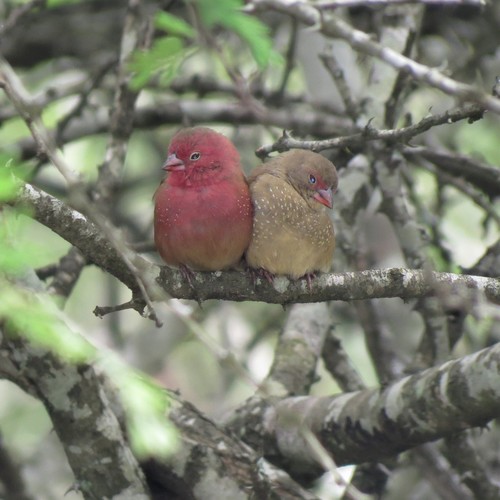 peito-de-fogo
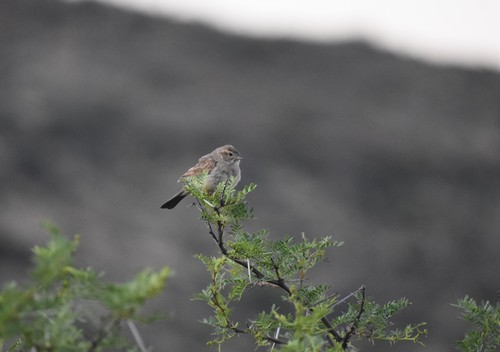 lark-like bunting
Em resumo
A marca de campo mais confiável entre peito-de-fogo e lark-like bunting é a cor geral: os machos de peito-de-fogo são escarlates vívidos com asas marrons, enquanto os lark-like buntings nunca são vermelhos e parecem muito mais apagados. Fêmeas e imaturos podem ser mais complicados, mas as fêmeas de peito-de-fogo são pequenas, aves marrons quentes com um bico rosa e uma pequena mancha vermelha antes do olho, enquanto os lark-like buntings são maiores, simples, aves marrons listradas com um bico cônico mais pesado. Em voo ou em repouso, o tamanho compacto e as cores brilhantes do peito-de-fogo (nos machos) ou o sutil vermelho facial (nas fêmeas) são fundamentais, enquanto a construção maior e semelhante a uma ala do bunting e a falta de qualquer vermelho se destacam. Ambas as espécies podem ocorrer em áreas abertas, mas sua estrutura, forma do bico e especialmente qualquer indício de vermelho no peito-de-fogo são as melhores pistas de campo.
Dicas de identificação
- O macho do peito-de-fogo é escarlate brilhante, exceto pelas asas marrons—nenhuma outra espécie confusa na região é tão vermelha. Se você ver um pequeno pássaro vermelho com asas marrons e um bico rosa, é um macho de peito-de-fogo.
- A fêmea de peito-de-fogo tem uma pequena mancha vermelha na frente do olho—isso é sutil, mas diagnóstico se visível. O lark-like bunting nunca mostra vermelho no rosto.
- Forma e cor do bico: O peito-de-fogo tem um bico pequeno, delicado e rosa; o bunting tem um bico mais pesado, cônico e da cor do chifre. A cor do bico é especialmente útil em boa luz.
- Tamanho e estrutura: O peito-de-fogo é muito menor e mais compacto que o bunting, que é mais volumoso e de corpo mais longo. Use isso quando ambos forem vistos no mesmo contexto ou com espécies conhecidas.
- Anel ocular: O macho do peito-de-fogo apresenta um anel ocular amarelo, que está ausente no bunting.
- Partes inferiores: A fêmea do peito-de-fogo é bege embaixo, enquanto o bunting é mais uniformemente marrom ou listrado, sem um tom quente de bege.
- Partes superiores: A fêmea do peito-de-fogo é uniformemente marrom acima; o bunting pode mostrar listras fracas ou um dorso mais padronizado, mas é sempre mais simples no geral.
- Padrão facial: Apenas o peito-de-fogo tem uma mancha facial vermelha; o rosto do bunting é simples, às vezes com um supercílios fraco, mas nunca com vermelho.
- Comportamento: Os peito-de-fogo se movem rapidamente e em grupos apertados, muitas vezes baixos ao chão; os buntings são mais solitários ou em grupos soltos, com uma postura mais ereta e semelhante a uma ala.
- Habitat: Se em pastagens exuberantes ou perto de cultivo, o peito-de-fogo é mais provável; em áreas secas e arbustivas, o bunting é esperado.
- Visões em voo: Nenhum padrão de asa distintivo é descrito para qualquer uma das espécies, então confie no tamanho, estrutura e qualquer lampejo de vermelho (peito-de-fogo) ou a falta dele (bunting).
- Visões empoleiradas: Procure o bico rosa e o vermelho facial do peito-de-fogo, ou o bico mais pesado e a plumagem simples e listrada do bunting.
- Confusão juvenil/imatura: Ambos são acastanhados quando jovens, mas apenas os juvenis de peito-de-fogo podem mostrar um indício da mancha facial vermelha à medida que envelhecem; os buntings permanecem simples.
- Diferenças sexuais: O macho do peito-de-fogo é diagnóstico; a fêmea do peito-de-fogo em comparação com o bunting requer atenção cuidadosa à forma do bico, vermelho facial e tamanho geral.
- Armadilha comum: Fêmeas de peito-de-fogo apagadas podem ser confundidas com buntings, especialmente em luz fraca—sempre verifique a mancha facial vermelha e a cor do bico.
Tamanho
O peito-de-fogo é notavelmente menor e mais leve, com uma média de 8,5 g, em comparação com os 14,8 g do lark-like bunting. No campo, os peito-de-fogo parecem delicados e compactos, enquanto os buntings são mais volumosos, com uma aparência mais robusta e semelhante a uma ala. Essa diferença de tamanho é especialmente aparente quando ambas as espécies são vistas juntas ou perto de pássaros de referência familiares.
Plumagem
O macho adulto do peito-de-fogo é inconfundível com sua plumagem quase totalmente escarlate, exceto pelas asas marrons, um bico rosa e um anel ocular amarelo. As fêmeas são muito mais simples: marrons quentes acima, bege embaixo, mas sempre com uma pequena mancha vermelha na frente do olho e um bico rosa. O lark-like bunting, em contraste, nunca é vermelho em qualquer idade ou sexo; ambos os sexos são marrons simples, muitas vezes com listras sutis e uma aparência geralmente desbotada. O bunting não possui vermelho facial ou bico rosa. Nenhuma fonte descreve padrões de asas juvenis ou imaturos distintivos para qualquer uma das espécies, então a separação depende da cor geral e do padrão facial para todas as idades.
Comportamento
O peito-de-fogo é uma ave gregária que se alimenta de sementes, frequentemente vista em pequenos bandos se alimentando no chão ou empoleirada baixa na vegetação. Seus movimentos são rápidos e um tanto semelhantes a um rato. O lark-like bunting também é um forrageador de solo, mas tende a ser menos gregário, movendo-se com um andar mais deliberado e semelhante a uma ala e frequentemente empoleirando-se em arbustos expostos ou linhas de cercas. A construção mais pesada do bunting e sua postura mais ereta podem ser uma pista comportamental sutil.
Habitat
O peito-de-fogo frequenta pastagens abertas, campos cultivados e áreas com arbustos dispersos, frequentemente perto de habitação humana. O lark-like bunting prefere arbustos subtropicais ou tropicais mais secos e é mais típico de países áridos e abertos no sudoeste da África. Embora ambos possam ser encontrados em habitats abertos, o peito-de-fogo é mais provável em áreas úmidas e gramadas, e o bunting em paisagens mais secas e arbustivas.