

Motmot

コウギョクチョウ 対 ヒバリホオジロ

Lagonosticta senegala 対 Emberiza impetuani

コウギョクチョウとヒバリホオジロのクイズ
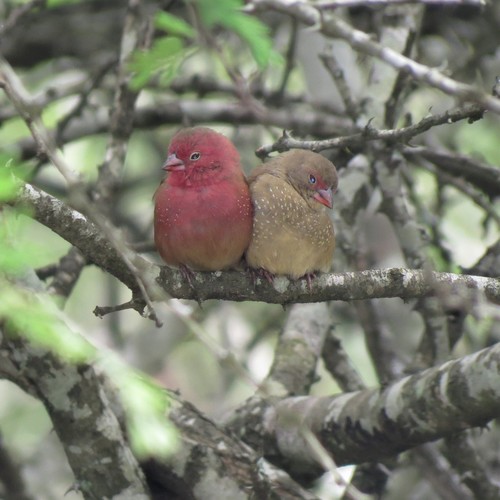
コウギョクチョウ (Lagonosticta senegala) コウギョクチョウ
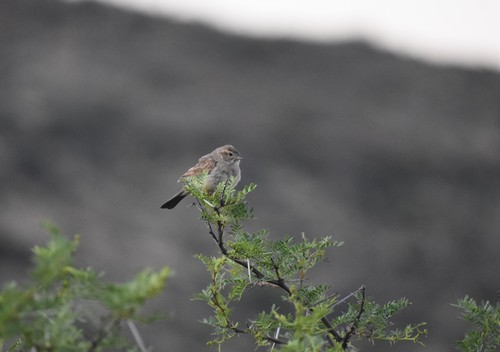
ヒバリホオジロ (Emberiza impetuani) ヒバリホオジロ

メディア

読み込み中…

要点

レッドビルファイアフィンチとヒバリホオジロの最も信頼できるフィールドマークは全体の色です:オスのファイアフィンチは鮮やかなスカーレットで、茶色の翼を持ち、ヒバリホオジロは決して赤くなく、ずっと地味に見えます。メスと幼鳥はより難しい場合がありますが、ファイアフィンチのメスは小さく、温かみのある茶色の鳥で、ピンクのくちばしと目の前に小さな赤い斑点があります。一方、ヒバリホオジロはより大きく、地味で、ストライプのある茶色の鳥で、より重い円錐形のくちばしを持っています。飛んでいるときや休んでいるとき、ファイアフィンチのコンパクトなサイズと明るい色(オスの場合)や微妙な顔の赤(メスの場合)が重要であり、ヒバリホオジロのより大きく、ヒバリのような体型と赤の欠如が際立っています。両種は開けた国に生息することがありますが、彼らの構造、くちばしの形、特にファイアフィンチの赤のヒントが最良のフィールドの手がかりです。

識別のコツ

  1. オスのレッドビルファイアフィンチは茶色の翼を除いて明るいスカーレットです—この地域にはこれほど赤い混同種はありません。もし小さくて赤い鳥が茶色の翼とピンクのくちばしを持っているのを見たら、それはオスのファイアフィンチです。
  2. メスのファイアフィンチは目の前に小さな赤い斑点があります—これは微妙ですが、見える場合は診断的です。ヒバリホオジロは顔に赤を示すことはありません。
  3. くちばしの形と色:ファイアフィンチは小さくて繊細なピンクのくちばしを持ち、ヒバリホオジロはより重い円錐形の角のようなくちばしを持っています。くちばしの色は特に良い光の中で役立ちます。
  4. サイズと構造:ファイアフィンチはヒバリホオジロよりもずっと小さく、コンパクトです。ヒバリホオジロはより大きく、体が長いです。両者が同じ文脈で見られる場合や、知られている種と一緒に見られる場合にこれを使用します。
  5. アイリング:オスのファイアフィンチは黄色のアイリングを示し、ヒバリホオジロにはありません。
  6. 腹部:メスのファイアフィンチは下側がバフ色ですが、ヒバリホオジロはより均一に茶色またはストライプ状で、温かみのあるバフのトーンはありません。
  7. 上面:メスのファイアフィンチは上面が均一に茶色ですが、ヒバリホオジロは微かなストライプやよりパターン化された背中を示すことがありますが、常に全体的には地味です。
  8. 顔のパターン:ファイアフィンチだけが赤い顔の斑点を持ち、ヒバリホオジロの顔は地味で、時々微かな眉斑がありますが、赤は決してありません。
  9. 行動:ファイアフィンチは素早く動き、密集した群れで行動し、しばしば地面に近い場所で見られます。ヒバリホオジロはより孤立しているか、緩い群れで動き、より直立したヒバリのような姿勢を持っています。
  10. 生息地:豊かな草地や耕作地にいる場合、ファイアフィンチの方が可能性が高いです。乾燥した低木の国では、ヒバリホオジロが期待されます。
  11. 飛行時の視点:どちらの種にも特有の翼のパターンは記載されていないため、サイズ、構造、そして赤の閃光(ファイアフィンチ)またはその欠如(ヒバリホオジロ)に依存します。
  12. 止まっている時の視点:ファイアフィンチのピンクのくちばしと顔の赤、またはヒバリホオジロのより重いくちばしと地味でストライプのある羽毛を探します。
  13. 幼鳥/未熟な混同:両者は若い時に茶色がかっていますが、ファイアフィンチの幼鳥だけが年を取るにつれて赤い顔の斑点のヒントを示すことがあります。ヒバリホオジロは常に地味です。
  14. 性差:オスのファイアフィンチは診断的です。メスのファイアフィンチとヒバリホオジロの区別には、くちばしの形、顔の赤、全体のサイズに注意を払う必要があります。
  15. 一般的な落とし穴:地味なメスのファイアフィンチは、特に光が悪い場合にヒバリホオジロと間違えられることがあります—常に赤い顔の斑点とくちばしの色を確認してください。

大きさ

レッドビルファイアフィンチは明らかに小さく、軽量で、平均8.5gで、ヒバリホオジロの14.8gと比較されます。フィールドでは、ファイアフィンチは繊細でコンパクトに見え、ヒバリホオジロはより大きく、より頑丈でヒバリのような印象を持っています。このサイズの違いは、両種が一緒に見られる場合や、馴染みのある参照鳥の近くで見られる場合に特に明らかです。

羽色

成鳥のオスのレッドビルファイアフィンチは、茶色の翼を除いてほぼ完全にスカーレットの羽毛を持っているため、間違いなく識別できます。メスはずっと地味で、上面は温かみのある茶色、下面はバフ色ですが、常に目の前に小さな赤い斑点とピンクのくちばしを持っています。対照的に、ヒバリホオジロは年齢や性別に関係なく決して赤くありません。両性ともに地味な茶色で、しばしば微妙なストライプと一般的に色あせた外観を持っています。ヒバリホオジロは顔の赤やピンクのくちばしを欠いています。どちらの種についても特有の幼鳥や未熟な翼のパターンは記載されていないため、すべての年齢において全体の色と顔のパターンに依存して分離されます。

行動

レッドビルファイアフィンチは社交的で種子を食べる鳥で、しばしば小さな群れで地面で餌を食べたり、低い植生に止まったりして見られます。その動きは素早く、ややマウスのようです。ヒバリホオジロも地面で餌を探しますが、より社交的でない傾向があり、より意図的なヒバリのような歩き方で動き、しばしば露出した低木やフェンスの上に止まります。ヒバリホオジロのより重い体型とより直立した姿勢は微妙な行動の手がかりになることがあります。

生息環境

レッドビルファイアフィンチは開けた草地、耕作地、散在する低木のある地域を好み、しばしば人間の居住地の近くに生息します。ヒバリホオジロは乾燥した亜熱帯または熱帯の低木地を好み、南西アフリカの乾燥した開けた国に典型的です。両者は開けた生息地に見られることがありますが、ファイアフィンチはより湿った草地に、ヒバリホオジロはより乾燥した低木の多い風景にいる可能性が高いです。

より良い説明を送る

比較と同じ項目を使ってください。文章はすぐに公開されます。

The most reliable field mark between Red-billed Firefinch and Lark-like Bunting is overall color: male firefinches are vivid scarlet with brown wings, while lark-like buntings are never red and appear much drabber. Females and immatures can be trickier, but firefinch females are small, warm brown birds with a pink bill and a tiny red patch before the eye, while lark-like buntings are larger, plain, streaky-brown birds with a heavier, conical bill. In flight or at rest, the firefinch’s compact size and bright colors (in males) or subtle facial red (in females) are key, while the bunting’s larger, lark-like build and lack of any red stand out. Both species can occur in open country, but their structure, bill shape, and especially any hint of red on the firefinch are the best field clues.

  1. Male Red-billed Firefinch is bright scarlet except for brown wings—no other confusion species in the region is this red. If you see a small, red bird with brown wings and a pink bill, it is a male firefinch.
  2. Female firefinch has a small red patch in front of the eye—this is subtle but diagnostic if visible. Lark-like Bunting never shows any red on the face.
  3. Bill shape and color: Firefinch has a small, delicate, pink bill; bunting has a heavier, conical, horn-colored bill. Bill color is especially useful in good light.
  4. Size and structure: Firefinch is much smaller and more compact than the bunting, which is bulkier and longer-bodied. Use this when both are seen in the same context or with known species.
  5. Eye-ring: Male firefinch shows a yellow eye-ring, which is absent in the bunting.
  6. Underparts: Female firefinch is buff below, while the bunting is more uniformly brown or streaky, without a warm buff tone.
  7. Upperparts: Female firefinch is uniformly brown above; bunting may show faint streaking or a more patterned back, but is always plainer overall.
  8. Facial pattern: Only the firefinch has a red facial spot; bunting’s face is plain, sometimes with a faint supercilium but never any red.
  9. Behavior: Firefinches move quickly and in tight groups, often low to the ground; buntings are more solitary or in loose groups, with a more upright, lark-like stance.
  10. Habitat: If in lush grassland or near cultivation, firefinch is more likely; in dry, shrubby country, bunting is expected.
  11. Flight views: No distinctive wing patterns are described for either species, so rely on size, structure, and any flash of red (firefinch) or lack thereof (bunting).
  12. Perched views: Look for the firefinch’s pink bill and facial red, or the bunting’s heavier bill and plain, streaky plumage.
  13. Juvenile/immature confusion: Both are brownish when young, but only firefinch juveniles may show a hint of the red facial patch as they age; buntings remain plain.
  14. Sex differences: Male firefinch is diagnostic; female firefinch vs bunting requires careful attention to bill shape, facial red, and overall size.
  15. Common pitfall: Drab female firefinches can be mistaken for buntings, especially in poor light—always check for the red facial spot and bill color.

Red-billed Firefinch is noticeably smaller and lighter, averaging 8.5 g, compared to the Lark-like Bunting’s 14.8 g. In the field, firefinches look delicate and compact, while buntings are bulkier, with a more robust, lark-like jizz. This size difference is especially apparent when both species are seen together or near familiar reference birds.

Adult male Red-billed Firefinch is unmistakable with its almost entirely scarlet plumage except for brown wings, a pink bill, and a yellow eye-ring. Females are much plainer: warm brown above, buff below, but always with a small red patch in front of the eye and a pink bill. Lark-like Bunting, by contrast, is never red at any age or sex; both sexes are plain brown, often with subtle streaking and a generally washed-out appearance. The bunting lacks any facial red or pink bill. No sources describe distinctive juvenile or immature wing patterns for either species, so separation relies on overall color and facial pattern for all ages.

Red-billed Firefinch is a gregarious, seed-eating bird, often seen in small flocks feeding on the ground or perched low in vegetation. Its movements are quick and somewhat mouse-like. Lark-like Bunting is also a ground forager but tends to be less gregarious, moving with a more deliberate, lark-like gait and often perching on exposed shrubs or fence lines. The bunting’s heavier build and more upright stance can be a subtle behavioral clue.

Red-billed Firefinch frequents open grassland, cultivated fields, and areas with scattered bushes, often near human habitation. Lark-like Bunting prefers drier, subtropical or tropical shrubland and is more typical of arid, open country in southwestern Africa. While both can be found in open habitats, firefinch is more likely in wetter, grassy areas, and bunting in drier, shrubbier landscapes.

変更を破棄しますか?

保存していない編集があります。今離れると失われます。

コウギョクチョウ · ヒバリホオジロ · 苦手な鳥