

pale-vented thrush vs clay-colored thrush
Turdus obsoletus versus Turdus grayi
Jogue um quiz com pale-vented thrush e clay-colored thrush
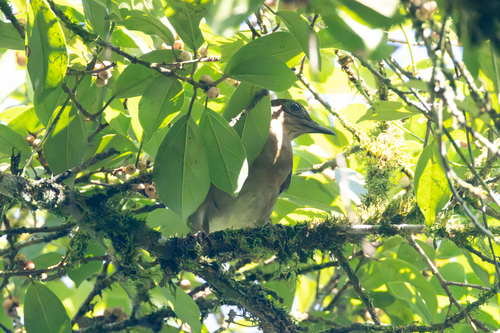 pale-vented thrush
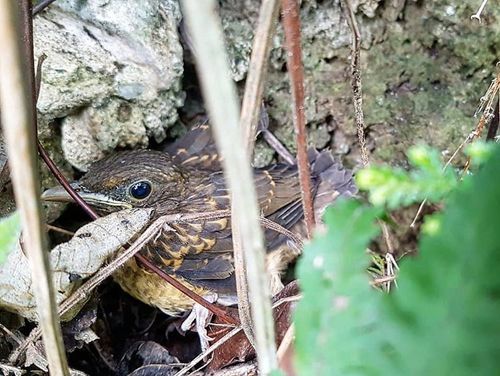 clay-colored thrush
Em resumo
A marca de campo mais confiável entre o pale-vented thrush e o clay-colored thrush é a cor e o padrão do vent e da asa inferior: o pale-vented mostra um vent distintamente pálido ou esbranquiçado e uma asa inferior laranja pálida, enquanto o clay-colored é mais uniformemente marronzado por baixo, sem um vent pálido acentuado ou asa inferior laranja. Os juvenis de clay-colored thrush mostram manchas fracas nas costas e partes inferiores, que o pale-vented não possui. A cor do bico e das pernas, assim como diferenças sutis no padrão da garganta e na preferência de habitat, também podem ajudar, mas tenha cuidado, pois ambos são thrushes marrons simples e podem ser facilmente confundidos em luz fraca ou à distância.
Dicas de identificação
- Vent e asa inferior pálidos (Pale-vented Thrush): Procure por um vent distintamente pálido ou esbranquiçado e uma asa inferior laranja pálida, especialmente quando o pássaro está em voo ou agita suas asas. Esta é a marca mais confiável para adultos e imaturos.
- Marronzado uniforme por baixo (clay-colored thrush): O clay-colored não possui um vent pálido acentuado ou asa inferior laranja; suas partes inferiores são mais claras que as costas, mas não fortemente contrastantes, e o vent não é distintamente mais claro.
- Plumagem juvenil/imatura: Se você ver manchas fracas nas costas e partes inferiores, provavelmente está olhando para um juvenil clay-colored thrush. O pale-vented thrush não é descrito como apresentando esse padrão em nenhuma idade.
- Padrão da garganta: O clay-colored thrush mostra listras fracas na garganta, que são menos marcadas ou ausentes no pale-vented thrush. Verifique isso em boa luz, pois pode ser sutil.
- Cor do bico e das pernas: O clay-colored thrush tem um bico amarelo-esverdeado com uma base escura, pernas rosadas ou da cor da carne, e íris avermelhadas. Estes são mais proeminentes do que no pale-vented, mas podem ser difíceis de julgar à distância.
- Variação de subespécies (Pale-vented): 'parambanus' é mais escuro por cima com um ventre branco; 'colombianus' é mais claro com tons oliva. Isso pode causar confusão com o clay-colored, então confie primeiro na cor do vent e da asa inferior.
- Contexto de habitat: Em jardins, parques, ou perto de casas, especialmente na Costa Rica, o clay-colored thrush é muito mais provável. Em florestas não perturbadas ou degradadas, especialmente na América do Sul, o pale-vented é a melhor aposta.
- Comportamento: O clay-colored thrush é mais ousado e mais provável de ser visto em habitats abertos, urbanos ou semi-abertos. O pale-vented é mais secreto e associado a florestas.
- Canto: Se você ouvir um canto rico, melodioso e variado, especialmente no início da estação chuvosa, é provável que seja um clay-colored thrush. O canto do pale-vented não é descrito, então use isso apenas como um positivo para o clay-colored.
- Tamanho e aparência: O clay-colored é ligeiramente maior e mais robusto, mas isso só é útil se você tiver comparação direta ou experiência com ambas as espécies.
- Cor das flancos: O clay-colored é mais claro nos flancos, mas isso é sutil e pode se sobrepor ao pale-vented em algumas subespécies.
- Abundância regional: O clay-colored é comum e amplamente distribuído em sua área, especialmente na Costa Rica e ao norte. O pale-vented é menos comum e mais localizado, especialmente no Equador.
- Visões em voo: Em voo, procure pelo vent pálido e pela asa inferior laranja do pale-vented; o clay-colored aparece mais uniformemente marronzado por baixo.
- Diferenças sexuais: Ambas as espécies são sexualmente monomórficas—não use o sexo como uma marca de campo.
- Armadilhas: Luz fraca, distância e variação de subespécies podem tornar a separação complicada. Sempre tente ver a cor do vent e da asa inferior, e use múltiplas marcas quando possível.
Tamanho
Ambas as espécies são semelhantes em tamanho, mas o clay-colored thrush é geralmente um pouco maior, medindo 23–27 cm de comprimento e pesando 74–76 g [wikipedia]. O pale-vented thrush é relatado como tendo 5–23 cm de altura e 61–82 g [wikipedia], mas a extremidade inferior desse intervalo é provavelmente um erro; na prática, ambos são thrushes de tamanho médio, com o clay-colored tendendo a parecer ligeiramente mais robusto e de cauda mais longa. No campo, o tamanho sozinho raramente é diagnóstico, a menos que vistos lado a lado.
Plumagem
- Pássaros juvenis/imaturos: Os imaturos de clay-colored thrush têm manchas fracas nas costas e partes inferiores, uma característica não descrita para o pale-vented thrush. Use isso para separar jovens pássaros no final do verão ou início do outono.
- Adultos: O pale-vented thrush tem partes superiores marrons com um vent visivelmente mais claro, esbranquiçado, e uma asa inferior laranja pálida. Existe variação de subespécies: 'parambanus' é mais escuro por cima com um ventre branco, 'colombianus' é mais claro com oliva no peito e na asa inferior. O clay-colored thrush é marronzado no geral, mais claro por baixo (especialmente nos flancos), mas não mostra um vent pálido acentuado ou asa inferior laranja. Sua garganta é levemente listrada, e pássaros de áreas úmidas são mais escuros no geral. O bico é amarelo-esverdeado com uma base escura, as pernas são rosadas/cor da carne, e as íris são avermelhadas—estes são mais proeminentes do que no pale-vented. Ambos os sexos são semelhantes em ambas as espécies.
Comportamento
Ambas as espécies forrageiam no solo ou perto dele, muitas vezes sozinhas ou em pares. O clay-colored thrush é mais provável de ser visto perto de habitações humanas, em jardins, ou seguindo formigas legionárias em busca de presas perturbadas. Também é conhecido por ser agressivo na defesa do ninho. O pale-vented thrush é mais um pássaro de floresta, menos provável de ser visto em áreas abertas ou urbanas. Em voo, ambas as espécies mostram o comportamento típico de thrushes do gênero Turdus, mas o vent pálido e a asa inferior do pale-vented podem ser visíveis se vistos bem.
Habitat
O pale-vented thrush é encontrado em florestas tropicais ou subtropicais úmidas de planície e montanha, e às vezes em florestas antigas fortemente degradadas, principalmente na Colômbia, Costa Rica, Equador, Panamá e Peru [wikipedia]. É mais comum na América Central e raro no Equador. O clay-colored thrush vai do Sul do Texas até o norte da Colômbia e é muito familiar em quintais, jardins e crescimento secundário, especialmente perto de assentamentos humanos. Se você estiver em uma cidade ou jardim, especialmente na Costa Rica, o clay-colored é muito mais provável; em florestas profundas ou não perturbadas, o pale-vented é mais provável.
Voz
O clay-colored thrush é famoso por seu canto rico, melodioso e variado, especialmente no início da estação chuvosa na Costa Rica. Seu canto consiste em apitos arrastados, trinos e trilos, muitas vezes repetidos de forma irregular, e seu chamado em voo é um 'tock' áspero. As vocalizações do pale-vented thrush não são descritas nas notas fornecidas, então a voz só é diagnóstica se você ouvir o canto distintivo do clay-colored thrush.
pale-vented thrush · clay-colored thrush · Minhas aves difíceis