

águia-pescadora vs tartaranhão-cinzento
Pandion haliaetus versus Circus cyaneus
Jogue um quiz com águia-pescadora e tartaranhão-cinzento
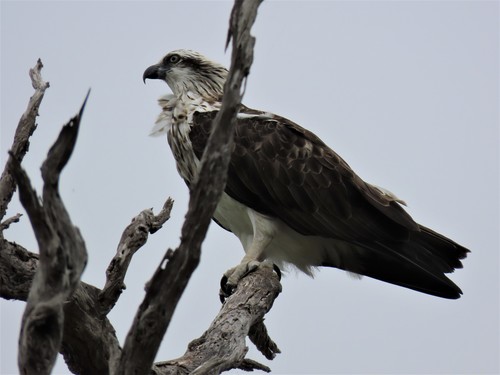 águia-pescadora
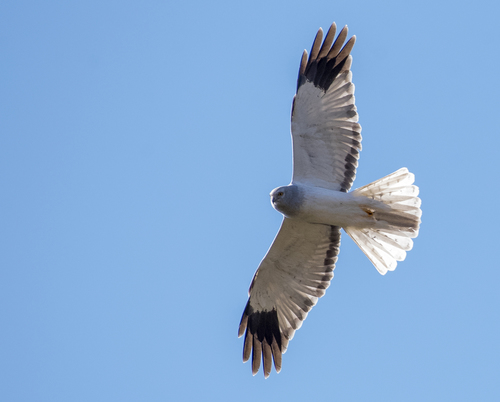 tartaranhão-cinzento
Em resumo
A maneira mais confiável de separar a águia-pescadora do tartaranhão-cinzento em campo é pelo tamanho e estrutura geral: a águia-pescadora é muito maior, com asas longas e estreitas e uma cauda curta, enquanto o tartaranhão-cinzento é mais esbelto, com uma cauda longa e um voo mais flutuante e próximo ao solo. Para imaturos, note que os juvenis de águia-pescadora apresentam franjas cor de canela acima e uma cabeça pálida e riscada, enquanto os juvenis de tartaranhão-cinzento (especialmente fêmeas e 'ringtails') são marrons acima com um rabo branco e partes inferiores cor de canela, listradas. A águia-pescadora em voo mostra uma distinta mancha carpal escura (pulso) em suas asas inferiores, que são geralmente pálidas, e primárias longas e com dedos, enquanto o tartaranhão-cinzento (especialmente fêmeas/juvenis) mostra um rabo branco e menos contraste nas asas inferiores. O habitat e o estilo de caça também diferem: a águia-pescadora é quase sempre vista perto da água, pairando ou mergulhando para pegar peixes, enquanto o tartaranhão-cinzento voa baixo sobre campos abertos e pântanos. Tamanho, forma das asas e contexto são suas melhores verificações rápidas.
Dicas de identificação
- O tamanho é uma pista primária: A águia-pescadora é muito maior e mais robusta que o tartaranhão-cinzento—procure um peito profundo e uma cabeça grande, especialmente quando empoleirada ou vista com outras aves para escala.
- Forma das asas em voo: A águia-pescadora tem asas longas e estreitas com quatro primárias longas e com dedos e uma cauda curta; o tartaranhão-cinzento tem asas longas, bastante estreitas, mas uma cauda muito mais longa e arredondada e frequentemente mantém suas asas em um V raso (dihedral) ao planar.
- Padrão das asas inferiores (todas as idades): A águia-pescadora mostra uma mancha carpal escura e ousada em suas asas inferiores, que são geralmente pálidas, visível em todas as idades; o tartaranhão-cinzento não possui isso, com asas inferiores mais uniformes e, nos machos, pontas das asas pretas.
- Plumagem juvenil: O juvenil de águia-pescadora tem franjas cor de canela acima, uma cabeça pálida e riscada, e uma coloração cor de canela abaixo; o juvenil de tartaranhão-cinzento é marron acima com um rabo branco e partes inferiores cor de canela com listras marrons.
- Rabo branco: O tartaranhão-cinzento (especialmente fêmeas e juvenis) mostra um rabo branco conspícuo em voo, uma marca clássica dos harriers; a águia-pescadora não possui essa característica.
- Padrão da cabeça: A águia-pescadora tem uma cabeça branca marcante com uma faixa ocular escura (máscara); o tartaranhão-cinzento tem uma cabeça com menos contraste, com fêmeas e juvenis mostrando um rosto mais uniforme, marrom ou cor de canela.
- Forma da cauda: A cauda da águia-pescadora é curta e quadrada; a cauda do tartaranhão-cinzento é longa e arredondada, frequentemente aberta em voo.
- Estilo de voo: A águia-pescadora voa com batidas de asas profundas e poderosas e frequentemente paira antes de mergulhar; o tartaranhão-cinzento voa baixo sobre o solo com um voo flutuante e raramente paira.
- Postura empoleirada: A águia-pescadora empoleira-se ereta em postes ou galhos expostos perto da água, parecendo grande e pesada; o tartaranhão-cinzento empoleira-se baixo, frequentemente no solo ou em postes baixos, parecendo mais esbelto e com cauda mais longa.
- Contexto do habitat: A águia-pescadora é quase sempre vista perto da água, raramente sobre campos ou pântanos; o tartaranhão-cinzento é encontrado em áreas abertas, charnecas e pântanos, frequentemente longe da água.
- Dimorfismo sexual: Os sexos da águia-pescadora são semelhantes, com fêmeas ligeiramente mais robustas e uma faixa peitoral mais marcada; os sexos do tartaranhão-cinzento diferem fortemente—os machos são cinzas e brancos com pontas das asas pretas, enquanto fêmeas e juvenis são marrons com um rabo branco.
- Bico e pés: A águia-pescadora tem um bico pesado e curvado e pés fortes e pálidos com garras pretas (adaptadas para pescar); o tartaranhão-cinzento tem um bico mais fino e pés menos robustos, adequados para pequenos mamíferos e aves.
- Comportamento em relação à presa: A águia-pescadora mergulha na água para pegar peixes; o tartaranhão-cinzento caça por surpresa, planando baixo sobre a terra.
- Voz: Não é geralmente diagnóstica, mas a águia-pescadora emite apitos agudos perto do ninho; o tartaranhão-cinzento é mais vocal em áreas de reprodução com chamadas assobiadas e tagarelas, raramente ouvidas durante a migração.
- Contexto sazonal: No inverno, a águia-pescadora é uma visitante rara em algumas áreas, geralmente perto da água; o tartaranhão-cinzento é mais provável de ser encontrado em áreas abertas no inverno, especialmente longe da água.
Tamanho
A águia-pescadora é dramaticamente maior e mais robusta que o tartaranhão-cinzento. A águia-pescadora pesa em média 1400 g, com um comprimento de 50–66 cm e uma envergadura de 127–180 cm. O tartaranhão-cinzento é muito mais leve (média de 436,5 g), mais curto (41–52 cm) e tem uma envergadura menor (97–122 cm). Mesmo a maior fêmea de tartaranhão-cinzento pesa menos da metade da massa de uma águia-pescadora média. A águia-pescadora tem uma construção mais pesada, peito mais profundo e uma cabeça e bico mais robustos, enquanto o tartaranhão-cinzento é esbelto, com cauda longa e visivelmente mais leve em voo.
Plumagem
-
Aves juvenis/imaturas: Os juvenis de águia-pescadora têm franjas cor de canela nas partes superiores, uma coloração cor de canela abaixo e uma cabeça pálida e riscada; suas asas inferiores mostram uma forte mancha carpal escura e coberturas geralmente pálidas. Os juvenis de tartaranhão-cinzento (especialmente fêmeas, frequentemente chamadas de 'ringtails') são marrons acima com um rabo branco distinto, partes inferiores cor de canela com listras marrons e listras menos distintas do que os adultos. Suas asas inferiores não são tão marcadas quanto as da águia-pescadora e não possuem a ousada mancha carpal.
-
Machos adultos: A águia-pescadora é marrom acima, branca abaixo, com uma cabeça branca e faixa ocular escura; as asas inferiores são pálidas com uma forte marca preta no pulso e primárias longas e com dedos. O macho adulto de tartaranhão-cinzento é cinza claro acima, branco abaixo, com pontas das asas pretas e um rabo branco; as asas são longas e estreitas, mas não possuem a forte mancha no pulso da águia-pescadora e mostram um cinza e preto mais uniformes.
-
Fêmeas adultas: A fêmea de águia-pescadora é semelhante ao macho, mas mais robusta, com uma faixa peitoral marrom mais marcada e coberturas das asas inferiores ligeiramente mais escuras. A fêmea de tartaranhão-cinzento é marrom acima, com rabo branco, e cor de canela abaixo com listras marrons; as asas inferiores são menos contrastantes do que as da águia-pescadora e não possuem a mancha carpal escura.
-
Chave em voo: A águia-pescadora mostra uma cauda curta e asas longas e estreitas com quatro longos 'dedos' e uma mancha carpal escura; o tartaranhão-cinzento mostra uma cauda longa e arredondada, asas mantidas em um V raso e um rabo branco, especialmente óbvio de trás.
Comportamento
A águia-pescadora é quase sempre vista perto da água, onde caça pairando e depois mergulhando de pés primeiro para pegar peixes. Seu voo é poderoso, com batidas de asas profundas e constantes e pairadas ocasionais. O tartaranhão-cinzento caça voando baixo e flutuante sobre o solo aberto, mantendo suas asas em um V raso e planando próximo aos contornos da terra. Raramente paira, em vez disso, faz quartéis em campos e pântanos em busca de pequenos mamíferos e aves. A águia-pescadora empoleira-se em galhos expostos ou postes perto da água, enquanto o tartaranhão-cinzento é mais frequentemente visto em voo contínuo sobre áreas abertas ou empoleirado baixo no solo.
Habitat
A águia-pescadora está fortemente associada à água—lagos, rios, estuários e costas—onde pode pescar. Raramente é vista longe da água. O tartaranhão-cinzento prefere habitats abertos, como charnecas, pântanos, pastagens e terras agrícolas, frequentemente longe de grandes corpos d'água. Se você vê um grande rapinante caçando sobre campos abertos ou charnecas, especialmente longe da água, é muito mais provável que seja um tartaranhão-cinzento. A águia-pescadora quase nunca é vista fazendo quartéis em campos ou pântanos no estilo dos harriers.
Voz
As vocalizações geralmente não são diagnósticas em campo para essas espécies, especialmente à distância. O tartaranhão-cinzento é uma ave mais vocal nas áreas de reprodução, com chamadas assobiadas e tagarelas, mas essas raramente são ouvidas durante a migração ou no inverno. A águia-pescadora é geralmente silenciosa, exceto perto do ninho, onde emite apitos agudos. A voz não é uma marca de campo confiável para separar essas espécies na maioria das situações.
águia-pescadora · tartaranhão-cinzento · Minhas aves difíceis