

Falco pescatore vs Albanella reale
Pandion haliaetus contro Circus cyaneus
Fai un quiz con Falco pescatore e Albanella reale
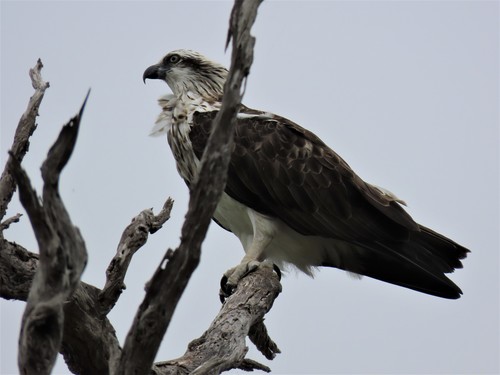 Falco pescatore
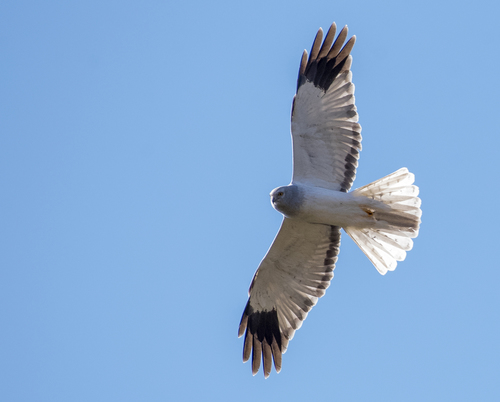 Albanella reale
In breve
Il modo più affidabile per separare il Falco pescatore dall'Albanella reale sul campo è attraverso le dimensioni e la struttura complessive: il Falco pescatore è molto più grande, con ali lunghe e strette e una coda corta, mentre l'Albanella reale è più snella, con una coda lunga e un volo più galleggiante e vicino al suolo. Per gli immaturi, nota che i giovani Falchi pescatori mostrano frange color crema sopra e una testa chiara e striata, mentre i giovani Albanelle reali (soprattutto le femmine e i 'ringtails') sono marroni sopra con un sottocoda bianco e parti inferiori color crema con barre. Il Falco pescatore in volo mostra una distintiva macchia carpo scura (polso) su ali inferiori altrimenti chiare e primarie lunghe e con le dita, mentre l'Albanella reale (soprattutto le femmine/giovani) mostra un sottocoda bianco e meno contrasto sulle ali inferiori. L'habitat e lo stile di caccia differiscono anche: il Falco pescatore è quasi sempre visto vicino all'acqua, sospeso o tuffandosi per pesci, mentre l'Albanella reale vola bassa su campi aperti e paludi. Dimensioni, forma delle ali e contesto sono i tuoi migliori controlli rapidi.
Consigli di identificazione
- Le dimensioni sono un indizio principale: Il Falco pescatore è molto più grande e robusto dell'Albanella reale: cerca un petto profondo e una testa grande, soprattutto quando è appollaiato o visto con altri uccelli per scala.
- Forma delle ali in volo: Il Falco pescatore ha ali lunghe e strette con quattro lunghe primarie con le dita e una coda corta; l'Albanella reale ha ali lunghe, abbastanza strette ma una coda molto più lunga e arrotondata e spesso tiene le ali in una V poco profonda (dihedrale) quando plana.
- Schema delle ali inferiori (tutte le età): Il Falco pescatore mostra una macchia carpo scura e audace su ali inferiori altrimenti chiare, visibile a tutte le età; l'Albanella reale non ha questo, con ali inferiori più uniformi e, nei maschi, punte nere.
- Piumaggio giovanile: Il giovane Falco pescatore ha frange color crema sopra, una testa chiara e striata, e un lavaggio color crema sotto; il giovane Albanella reale è marrone sopra con un sottocoda bianco e parti inferiori color crema con barre marroni.
- Sottocoda bianco: L'Albanella reale (soprattutto le femmine e i giovani) mostra un sottocoda bianco evidente in volo, un segno classico dell'albanella; il Falco pescatore non ha questa caratteristica.
- Schema della testa: Il Falco pescatore ha una testa bianca sorprendente con una striscia scura sugli occhi (maschera); l'Albanella reale ha una testa meno contrastante, con femmine e giovani che mostrano un volto marrone o color crema più uniforme.
- Forma della coda: La coda del Falco pescatore è corta e quadrata; la coda dell'Albanella reale è lunga e arrotondata, spesso aperta in volo.
- Stile di volo: Il Falco pescatore vola con battiti d'ali profondi e potenti e spesso sospende prima di tuffarsi; l'Albanella reale vola bassa sul terreno con un volo galleggiante e raramente sospende.
- Postura appollaiata: Il Falco pescatore si appollaia eretto su pali o tronchi esposti vicino all'acqua, apparendo grande e pesante; l'Albanella reale si appollaia bassa, spesso a terra o su pali bassi, apparendo più snella e con una coda più lunga.
- Contesto dell'habitat: Il Falco pescatore è quasi sempre vicino all'acqua, raramente sopra campi o paludi; l'Albanella reale si trova in campagna aperta, brughiere e paludi, spesso lontano da acqua.
- Dimorfismo sessuale: I sessi del Falco pescatore sono simili, con le femmine leggermente più robuste e una banda pettorale più marcata; i sessi dell'Albanella reale differiscono fortemente: i maschi sono grigi e bianchi con punte nere, le femmine e i giovani sono marroni con un sottocoda bianco.
- Becco e piedi: Il Falco pescatore ha un becco pesante e ricurvo e piedi forti e chiari con artigli neri (adattati per la pesca); l'Albanella reale ha un becco più fine e piedi meno robusti, adatti per piccoli mammiferi e uccelli.
- Comportamento attorno alla preda: Il Falco pescatore si tuffa in acqua per catturare pesci; l'Albanella reale caccia per sorpresa, planando bassa sulla terra.
- Voce: Non è di solito diagnostica, ma il Falco pescatore emette fischi acuti vicino al nido; l'Albanella reale è più vocale nei luoghi di nidificazione con richiami fischianti e chiacchieranti, raramente sentiti in migrazione.
- Contesto stagionale: In inverno, il Falco pescatore è un visitatore raro in alcune aree, di solito vicino all'acqua; l'Albanella reale è più probabile in campagna aperta in inverno, soprattutto lontano dall'acqua.
Taglia
Il Falco pescatore è drammaticamente più grande e robusto dell'Albanella reale. Il Falco pescatore pesa in media 1400 g, con una lunghezza di 50–66 cm e un'apertura alare di 127–180 cm. L'Albanella reale è molto più leggera (media 436,5 g), più corta (41–52 cm) e ha un'apertura alare più piccola (97–122 cm). Anche la più grande femmina di Albanella reale pesa meno della metà della massa di un Falco pescatore medio. Il Falco pescatore ha una struttura più pesante, un petto più profondo e una testa e un becco più robusti, mentre l'Albanella reale è snella, con una coda lunga e visibilmente più leggera in volo.
Piumaggio
-
Uccelli giovanili/immaturi: I giovani Falchi pescatori hanno frange color crema sulle parti superiori, un lavaggio color crema sotto e una testa chiara e striata; le loro ali inferiori mostrano una forte macchia carpo scura e copritrici altrimenti chiare. I giovani Albanelle reali (soprattutto le femmine, spesso chiamate 'ringtails') sono marroni sopra con un sottocoda bianco distintivo, parti inferiori color crema con barre marroni e barre meno distinte rispetto agli adulti. Le loro ali inferiori non sono così fortemente marcate come quelle del Falco pescatore e mancano della macchia carpo audace.
-
Maschi adulti: Il Falco pescatore è marrone sopra, bianco sotto, con una testa bianca e una striscia scura sugli occhi; le ali inferiori sono chiare con una forte macchia nera sul polso e lunghe primarie con le dita. Il maschio adulto dell'Albanella reale è grigio chiaro sopra, bianco sotto, con punte nere e un sottocoda bianco; le ali sono lunghe e strette, ma mancano della forte macchia carpo del Falco pescatore e mostrano un grigio e nero più uniforme.
-
Femmine adulte: La femmina del Falco pescatore è simile al maschio ma più robusta, con una banda pettorale marrone più marcata e copritrici delle ali inferiori leggermente più scure. La femmina dell'Albanella reale è marrone sopra, con un sottocoda bianco e parti inferiori color crema con barre marroni; le ali inferiori sono meno contrastanti rispetto a quelle del Falco pescatore e mancano della macchia carpo scura.
-
Chiave in volo: Il Falco pescatore mostra una coda corta e ali lunghe e strette con quattro lunghe 'dita' e una macchia carpo scura; l'Albanella reale mostra una coda lunga e arrotondata, ali tenute in una V poco profonda e un sottocoda bianco, particolarmente evidente da dietro.
Comportamento
Il Falco pescatore è quasi sempre visto vicino all'acqua, dove caccia sospendendosi e poi tuffandosi con i piedi in avanti per catturare pesci. Il suo volo è potente, con battiti d'ali profondi e costanti e occasionali sospensioni. L'Albanella reale caccia volando bassa e galleggiante sopra il terreno aperto, tenendo le ali in una V poco profonda e planando vicino ai contorni della terra. Raramente sospende, invece quartando campi e paludi per piccoli mammiferi e uccelli. Il Falco pescatore si appollaia su tronchi esposti o pali vicino all'acqua, mentre l'Albanella reale è più spesso vista in volo continuo sopra il paese aperto o appollaiata bassa a terra.
Habitat
Il Falco pescatore è fortemente associato all'acqua: laghi, fiumi, estuari e coste, dove può pescare. È raramente visto lontano dall'acqua. L'Albanella reale preferisce habitat aperti come brughiere, paludi, praterie e terreni agricoli, spesso lontano da grandi corpi d'acqua. Se vedi un grande rapace cacciare sopra campi aperti o brughiere, soprattutto lontano dall'acqua, è molto più probabile che sia un'Albanella reale. Il Falco pescatore è quasi mai visto quartando campi o paludi nello stile dell'albanella.
Voce
Le vocalizzazioni non sono di solito diagnostiche sul campo per queste specie, soprattutto a distanza. L'Albanella reale è un uccello più vocale nei luoghi di nidificazione, con richiami fischianti e chiacchieranti, ma questi sono raramente sentiti in migrazione o in inverno. Il Falco pescatore è generalmente silenzioso tranne che vicino al nido, dove emette fischi acuti. La voce non è un segno affidabile sul campo per separare queste specie nella maggior parte delle situazioni.
Falco pescatore · Albanella reale · I miei uccelli difficili