

petinha-silvestre vs petinha-marítima
Anthus hodgsoni versus Anthus petrosus
Jogue um quiz com petinha-silvestre e petinha-marítima
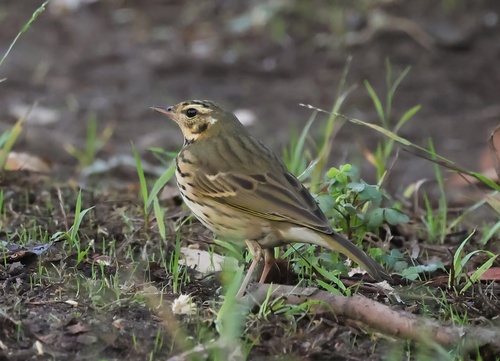 petinha-silvestre
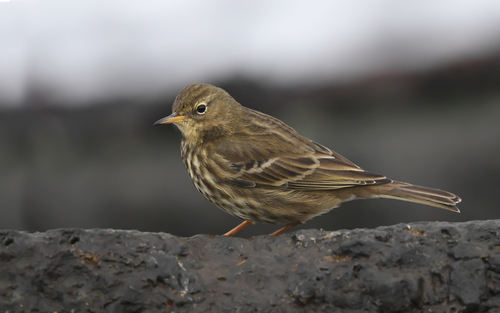 petinha-marítima
Em resumo
A marca de campo mais confiável para separar a petinha-silvestre da petinha-marítima é o forte supercílios pálido (sobrancelha) e o dorso de tom oliva, menos riscado da petinha-silvestre, em comparação com as partes superiores mais opacas e acinzentadas da petinha-marítima e a riscação mal definida. As petinhas-marítimas juvenis e adultas não possuem o padrão facial nítido e as barras alares da petinha-silvestre, e suas penas da cauda externa são escuras em vez de brancas. Em voo ou empoleirada, a petinha-silvestre apresenta uma aparência mais limpa e contrastante, com barras alares claras e uma cauda externa mais branca, enquanto a petinha-marítima parece maior, mais escura e mais uniformemente riscada por baixo. O habitat também é uma pista forte: a petinha-silvestre é encontrada em áreas florestadas ou abertas, enquanto a petinha-marítima é estritamente costeira.
Dicas de identificação
- Supercílios (sobrancelha): A petinha-silvestre de todas as idades apresenta um forte supercílios pálido que se destaca, especialmente em plumagem fresca. A petinha-marítima tem no máximo um leve anel ocular pálido e, em algumas subespécies no verão, um supercílios fraco, mas nunca tão ousado ou longo quanto o da petinha-silvestre.
- Barras alares: A petinha-silvestre exibe duas barras alares brancas claras nos cobertores, visíveis tanto empoleirada quanto em voo. A petinha-marítima não possui barras alares em todas as idades e estações.
- Cor do dorso e riscação: A petinha-silvestre tem um dorso de tom oliva mais claro com menos riscação, dando uma aparência mais limpa. A petinha-marítima é mais acinzentada ou oliva-escura, com riscas mais pesadas e menos definidas.
- Penas da cauda externa: A petinha-silvestre apresenta penas da cauda externa brancas (rectrizes), especialmente óbvias em voo. As penas da cauda externa da petinha-marítima são escuras, nunca brancas, uma marca chave em voo ou quando a cauda está espalhada.
- Riscação das partes inferiores: A petinha-silvestre tem riscas escuras e limpas em um fundo esbranquiçado ou amarelo, principalmente no peito e flancos. A petinha-marítima é amarelada por baixo com riscas marrons pesadas e borradas que podem cobrir grande parte das partes inferiores.
- Padrão facial: A petinha-silvestre tem um rosto nítido e contrastante com um forte supercílios; a petinha-marítima tem um rosto simples com um anel ocular pálido, no máximo.
- Tamanho e estrutura: A petinha-marítima é maior, mais robusta e com asas mais longas, mas isso é sutil a menos que as aves estejam lado a lado. A petinha-silvestre é mais delicada e compacta.
- Cor das pernas: Não é diagnóstico entre essas duas (a petinha-marítima tem pernas escuras, mas a petinha-silvestre também pode ter).
- Estilo de voo: A petinha-silvestre tem um voo irregular e ondulante e frequentemente voa para as árvores. A petinha-marítima é mais propensa a voar baixo ao longo da costa, às vezes com uma exibição de paraquedas.
- Habitat: A petinha-silvestre é encontrada em áreas abertas ou florestadas, muitas vezes longe de água ou da costa. A petinha-marítima é restrita a costas rochosas e nunca é encontrada em áreas internas ou em árvores.
- Vocalizações: O chamado da petinha-silvestre é um agudo 'tseep' ou 'spek', enquanto o da petinha-marítima é um estridente 'pseep.' As canções são diferentes, mas podem ser difíceis de separar sem experiência.
- Confusão sazonal: No verão, a subespécie littoralis da petinha-marítima pode mostrar um leve supercílios e partes inferiores rosadas, mas ainda assim carece da nitidez e das barras alares da petinha-silvestre.
- Confusão juvenil: As petinhas-marítimas juvenis são mais marrons e mais riscadas por cima, mas ainda carecem do supercílios nítido e das barras alares das juvenis da petinha-silvestre.
- Contexto: Se você vê uma pipit em uma árvore ou longe da costa, é quase certamente uma petinha-silvestre. Se estiver em uma costa rochosa, verifique a falta de barras alares e brancura na cauda para confirmar a petinha-marítima.
- Armadilhas: Ambas as espécies podem parecer semelhantes em luz fraca ou à distância, especialmente em plumagem de inverno opaca. Concentre-se na combinação de supercílios, barras alares e padrão da cauda para a melhor chance de identificação correta.
Tamanho
A petinha-silvestre é ligeiramente menor e mais leve, com uma massa corporal em torno de 22 g [wikidata], enquanto a petinha-marítima é maior e mais pesada (18–32,5 g [wikipedia]), e também mais longa (16,5–17 cm vs. cerca de 15 cm para a petinha-silvestre). A petinha-marítima parece mais robusta e com asas mais longas, especialmente quando vistas lado a lado. No entanto, o tamanho sozinho pode ser enganoso sem comparação direta.
Plumagem
- Aves juvenis/primeiro inverno: As juvenis e imaturas da petinha-silvestre já mostram um forte supercílios pálido, barras alares brancas duplas e penas da cauda externa brancas, dando uma aparência nítida e contrastante. Seus dorsos são de tom oliva e menos riscados. As juvenis da petinha-marítima se assemelham aos adultos, mas podem ser mais marrons e mais riscadas por cima, ainda assim carecem do supercílios nítido e das barras alares; suas penas da cauda externa são escuras, não brancas.
- Adultos: As adultas da petinha-silvestre são marrons-esverdeadas por cima com riscas escuras, mas o dorso é mais oliva e menos riscado do que o da petinha-marítima. As partes inferiores são esbranquiçadas a amarelas com riscas escuras claras no peito e flancos. As adultas da petinha-marítima são oliva-escura a marrom-acinzentada por cima, com riscas marrons pesadas, mas mal definidas, nas partes inferiores amarelas. Seu padrão facial é simples, exceto por um anel ocular pálido, e elas não têm barras alares. As penas da cauda externa permanecem escuras, não brancas.
- Variação sazonal: A subespécie A. p. littoralis da petinha-marítima pode mostrar um supercílios pálido e partes inferiores rosadas no verão, mas nunca tão nítido quanto o da petinha-silvestre. No inverno, a petinha-marítima é mais opaca e ainda mais difícil de separar de pipits relacionados, mas ainda carece do padrão facial e alar limpo da petinha-silvestre.
Comportamento
A petinha-silvestre é tipicamente vista sozinha ou em pares, correndo no chão em áreas abertas ou florestadas e voando para as árvores quando perturbada. Seu voo é irregular e ondulante. A petinha-marítima é altamente territorial em costas rochosas, frequentemente vista forrageando ao longo da costa ou empoleirada em rochas. Durante a exibição, os machos realizam um voo de paraquedas. A petinha-marítima é mais propensa a ser vista em pequenos grupos ou pares ao longo da costa, raramente longe do mar.
Habitat
O habitat é um forte separador: a petinha-silvestre se reproduz e migra através de uma ampla gama de habitats abertos e florestados, incluindo florestas e pastagens, e raramente é encontrada em costas rochosas. A petinha-marítima é estritamente costeira, se reproduzindo e invernando em costas rochosas na Europa Ocidental. Se você vê uma pipit em áreas internas ou em árvores, é quase certamente não uma petinha-marítima; se estiver em uma costa rochosa, a petinha-marítima é muito mais provável.
Voz
A canção da petinha-silvestre é semelhante à de uma cotovia, mais rápida e de tom mais alto do que a da petinha-das-árvores, e seu chamado é um único 'tseep' ou 'spek.' A canção da petinha-marítima é uma sequência de notas 'cheepa' tilintantes seguidas por chamados 'gee' ascendentes e um breve trinado; seu chamado em voo é um estridente 'pseep,' intermediário entre a petinha-dos-prados e a petinha-ribeirinha. Ambas podem soar semelhantes a outros pipits, mas o chamado da petinha-silvestre é tipicamente mais agudo e penetrante, enquanto o da petinha-marítima é mais contido.