

abibe vs abibe-sociável
Vanellus vanellus versus Vanellus gregarius
Jogue um quiz com abibe e abibe-sociável
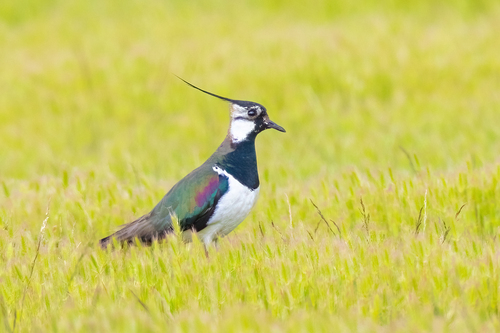 abibe
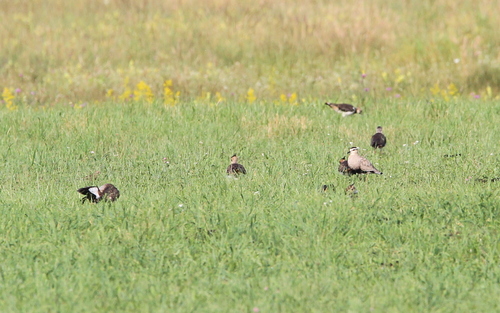 abibe-sociável
Em resumo
A marca de campo mais confiável para separar abibe de abibe-sociável é a cabeça e a crista: abibe (todas as idades) apresenta uma crista longa e esvoaçante e um rosto preto e branco marcante, enquanto abibe-sociável não possui uma verdadeira crista e, em vez disso, tem uma coroa preta e uma faixa ocular bem definidas, contornadas por branco, especialmente em adultos. Em voo, abibe-sociável exibe uma cauda branca com uma faixa terminal preta e asas marrons, brancas e cinzas, enquanto abibe tem asas arredondadas e largas com um brilho esverdeado e não possui o padrão de cauda nítido do abibe-sociável. Os juvenis de abibe-sociável têm costas 'escamosas', enquanto os jovens abibes parecem mais com adultos mais apagados. A estrutura e a cor das pernas também ajudam: abibe-sociável tem pernas mais longas e escuras, enquanto abibe tem pernas mais curtas. Ambas as espécies podem ocorrer juntas durante a migração, mas suas características gerais e detalhes da plumagem são distintos com uma observação cuidadosa.
Dicas de identificação
- Crista: abibe (todas as idades) tem uma crista longa e esvoaçante; abibe-sociável não possui uma verdadeira crista, mostrando apenas uma coroa levemente elevada. Esta é a verificação de campo mais rápida a qualquer distância.
- Padrão da Cabeça (adulto/imaturo): abibe-sociável tem uma coroa preta e uma faixa ocular bem definidas, ambas contornadas por branco, dando uma aparência listrada marcante; abibe tem um rosto predominantemente branco com uma coroa e garganta pretas, mas não possui as listras nítidas do abibe-sociável.
- Padrão das Costas Juvenis: O juvenil de abibe-sociável mostra uma costa 'escamosa' com bordas claras nas penas, e apenas vestígios do padrão da cabeça do adulto; o juvenil de abibe se assemelha a um adulto mais apagado, sem o efeito escamoso.
- Padrão da Cauda em Voo: abibe-sociável (todas as idades) tem uma cauda branca com uma faixa terminal preta nítida, visível em voo e ao se arrumar; a cauda do abibe é menos contrastante, sem a faixa preta nítida.
- Asa Superior em Voo: abibe-sociável mostra asas marrons, brancas e cinzas em voo; abibe tem asas largas e arredondadas com uma asa superior preta brilhante e esverdeada e não possui a aparência tricolor do abibe-sociável.
- Cor e Comprimento das Pernas: abibe-sociável tem pernas longas e escuras, fazendo com que pareça mais alta e ereta; abibe é o abibe com pernas mais curtas, com pernas que parecem relativamente curtas e escuras.
- Bico: abibe-sociável tem um bico curto e preto; o bico do abibe é semelhante em comprimento, mas pode parecer ligeiramente mais pesado a curta distância.
- Peito e Parte Inferior (plumagem de reprodução): O abibe-sociável em reprodução tem um peito inferior preto que desbota para castanho perto do vent; o macho do abibe tem uma garganta e peito pretos, mas o preto não desbota para castanho.
- Cor das Costas: As costas do abibe são brilhantes e verdes, especialmente em boa luz; as costas do abibe-sociável são marrons a acinzentadas, às vezes ligeiramente brilhantes no verão.
- Padrão do Rosto (não-reprodução): O abibe-sociável não-reprodutivo ainda mostra um padrão de cabeça distinto, enquanto o abibe permanece marcadamente preto e branco, mas sem as listras do abibe-sociável.
- Voz: O chamado 'pee-wit' do abibe é alto e musical; o abibe-sociável emite um 'kereck' áspero, que é menos provável de ser confundido.
- Estilo de Voo: O abibe tem um voo flácido, flutuante e errático com asas largas e arredondadas; o voo do abibe-sociável é mais direto e menos acrobático.
- Habitat: O abibe prefere gramados e pastagens mais úmidos; o abibe-sociável é mais frequentemente encontrado em estepes secas e campos áridos, embora ambos possam se sobrepor durante a migração.
- Sobreposição Sazonal: Ambas as espécies podem ocorrer juntas em períodos de migração, especialmente no Oriente Médio e ocasionalmente na Europa; atenção cuidadosa ao padrão da cabeça e à cauda em voo é crucial em bandos mistos.
- Abundância: O abibe é comum e amplamente distribuído na Europa; o abibe-sociável é raro e local, então o contexto e os números podem ajudar, mas sempre confirme com marcas de campo.
Tamanho
Ambas as espécies são semelhantes em comprimento (abibe: 28–33 cm, abibe-sociável: 27–30 cm), mas o abibe-sociável tem um bico ligeiramente mais leve e pernas mais longas. A massa corporal do abibe-sociável média 226 g [wikidata], que está dentro da faixa para abibe (128–330 g), então o tamanho sozinho não é diagnóstico. No campo, o abibe muitas vezes parece mais robusto e compacto, enquanto o abibe-sociável parece mais esguio e ereto devido às suas pernas mais longas.
Plumagem
Os juvenis de abibe-sociável mostram uma aparência 'escamosa' nas costas devido às penas com bordas claras e têm apenas vestígios do padrão da cabeça do adulto; isso não é visto em juvenis de abibe, que em vez disso se assemelham a adultos mais apagados e menos marcados. Em voo, o abibe-sociável de todas as idades mostra uma cauda branca com uma faixa terminal preta nítida e asas marrons, brancas e cinzas contrastantes, fazendo com que se destaque do abibe, que tem uma asa superior preta brilhante e esverdeada, asas largas e arredondadas, e não possui o padrão de cauda do abibe-sociável. Os machos adultos do abibe têm uma crista longa, garganta e peito pretos, e uma costa esverdeada, enquanto os adultos do abibe-sociável têm uma coroa preta e faixa ocular contornada por branco, partes inferiores brancas, e na plumagem de reprodução, um peito inferior preto que desbota para castanho perto do vent. Os abibes-sociáveis não-reprodutivos são marrons mais claros acima com um padrão de cabeça distinto, enquanto o abibe permanece marcadamente preto e branco com um brilho esverdeado e menos mudança sazonal.
Comportamento
O abibe é conhecido por seus voos acrobáticos e tumulares e chamadas constantes durante a temporada de reprodução. Ele frequentemente se alimenta em bandos em campos abertos, mostrando um voo mais errático e flutuante com asas largas e arredondadas. O abibe-sociável também é gregário, especialmente durante a migração e no inverno, às vezes formando grandes bandos. Seu voo é mais direto e menos errático, e ele frequentemente fica mais ereto devido às suas pernas mais longas. Ambas as espécies se alimentam pegando no chão em habitats abertos, mas os movimentos do abibe-sociável podem parecer mais deliberados e menos 'flácidos' do que os do abibe.
Habitat
O abibe é amplamente distribuído na Eurosibéria temperada e prefere gramados úmidos, pastagens ásperas e campos cultivados, frequentemente em áreas de baixa altitude. O abibe-sociável se reproduz nas estepes do Cazaquistão e prefere gramados áridos, estepes e campos cultivados, evitando habitats mais úmidos favorecidos pelo abibe. Durante a migração e no inverno, ambos podem ocorrer juntos em campos abertos, mas o abibe-sociável é muito mais raro e mais localizado, especialmente na Europa.
Voz
O abibe é altamente vocal, especialmente na temporada de reprodução, com um chamado alto e estridente 'pee-wit' e uma canção de exibição wheezy e tumular ('pee-wit, wit wit, eeze wit'). O chamado do abibe-sociável é um 'kereck' áspero, menos musical e mais irritante do que o do abibe. Em bandos mistos, o distinto 'pee-wit' do abibe é uma forte pista, enquanto o abibe-sociável é geralmente mais silencioso.