

abibe vs laverca
Vanellus vanellus versus Alauda arvensis
Jogue um quiz com abibe e laverca
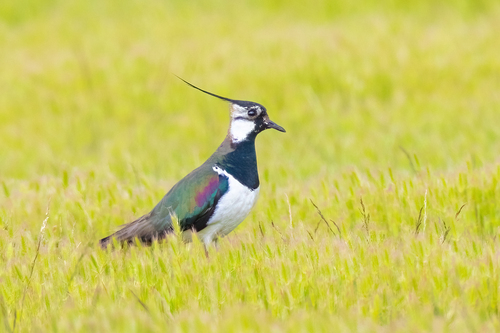 abibe
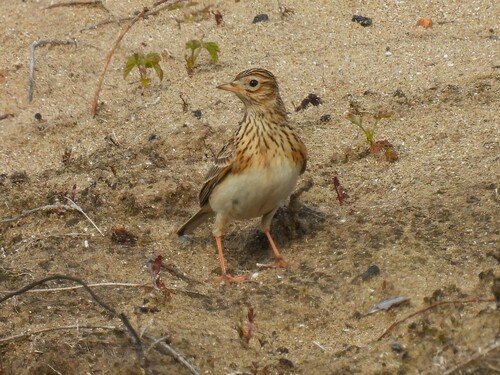 laverca
Em resumo
A separação mais confiável entre abibe e laverca é estrutural: abibes são grandes, limícolas de asas largas com uma longa crista esvoaçante e um padrão de asa superior preto e branco marcante, enquanto lavercas são muito menores, passeriformes acastanhados com uma crista curta e arredondada e asas simples. Em voo, abibes mostram asas arredondadas e um forte contraste preto e branco, especialmente óbvio em todas as plumagens, enquanto lavercas têm asas curtas e largas com sutis bordas brancas na cauda e na asa traseira, visíveis principalmente quando voam para longe. Empoleirados, as costas verde-esmeralda do abibe, o padrão facial ousado e a longa crista são distintivos, enquanto a laverca é marrom estriada por cima e pálida por baixo. A voz e o habitat também diferem marcadamente, com abibes chamando alto sobre campos molhados e lavercas cantando alto acima em terras agrícolas abertas.
Dicas de identificação
- Tamanho e forma: Abibe é muito maior e mais robusto que laverca, com uma asa larga e arredondada e postura ereta. Laverca é pequena, esbelta e compacta.
- Crista: Abibe tem uma longa crista esvoaçante (a mais longa em machos adultos), sempre óbvia quando empoleirado. A crista da laverca é curta, arredondada e frequentemente mantida plana, apenas ocasionalmente levantada.
- Padrão de asa em voo (todas as idades): Abibe mostra asas ousadas em preto e branco, com borda traseira branca e primárias pretas; as asas da laverca são marrons simples com apenas sutis bordas brancas na borda traseira, visíveis principalmente de trás.
- Cauda: A cauda da laverca é curta com bordas brancas, visível quando voa para longe. A cauda do abibe é relativamente curta e arredondada, mas nunca mostra o mesmo padrão branco que a laverca.
- Cor das costas: As costas do abibe são verde-iridescente, especialmente em boa luz; a laverca é sempre marrom opaca e estriada.
- Padrão facial: Abibe tem um rosto marcante em preto e branco, com coroa, garganta e peito pretos em machos; o rosto da laverca é simples, com um supercílios pálido e sem forte contraste.
- Pernas: Abibe tem pernas curtas e escuras; as pernas da laverca são pálidas e finas, mas isso raramente é diagnóstico em campo.
- Estilo de voo: O voo do abibe é lento, flácido e em looping, especialmente em exibição; o da laverca é vibrante, direto e frequentemente envolve longas subidas pairadas.
- Postura empoleirada: Abibe fica alto e ereto, frequentemente em aberto; a laverca se agacha baixo, misturando-se ao chão.
- Habitat: Abibe é encontrado em campos molhados e pântanos; laverca em terras agrícolas abertas e gramados secos.
- Voz: Abibe chama "pee-wit" ou "peewit" alto; laverca canta um longo e musical trinado de alto acima.
- Contexto sazonal: Bandos de abibes são comuns no inverno e na migração, frequentemente em campos molhados; laverca está presente durante todo o ano em muitas áreas, mas machos cantores são mais óbvios na primavera e no verão.
- Confusão de sexo/idade: Fêmeas e juvenis de abibes têm cristas mais curtas e marcas de cabeça mais opacas, mas ainda mostram o padrão de asas ousado e as costas verdes. Juvenis de lavercas são tão simples quanto adultos, sem marcas ousadas.
- Armadilhas comuns: Abibes distantes no chão podem parecer escuros e robustos, mas a crista e o padrão facial geralmente são visíveis com paciência. Lavercas raramente se mostram bem no chão, mas nunca têm o padrão ousado ou o tamanho do abibe.
- Comportamento em bando: Abibes frequentemente se reúnem em grandes bandos barulhentos; lavercas geralmente são solitárias ou em pequenos grupos, exceto no inverno.
Tamanho
Abibe é muito maior (28–33 cm de comprimento, 67–87 cm de envergadura, 128–330 g) do que laverca (18–19 cm de comprimento, massa e envergadura muito menores) [wikipedia][avonet][wikidata]. Abibe é um limícola robusto e de pernas curtas; laverca é um pequeno e esbelto pássaro cantor. Mesmo à distância, o tamanho e a robustez do abibe são aparentes, especialmente em voo, onde ele ofusca a laverca.
Plumagem
Abibes juvenis e adultos de ambos os sexos mostram um ousado padrão de asas preto e branco em voo: primárias pretas, underwings brancas e uma ampla borda branca traseira são visíveis de baixo e de cima. As costas são verde-iridescentes, e o rosto mostra um forte contraste preto e branco, com uma longa crista esvoaçante (a mais longa em machos adultos, mais curta em fêmeas/jovens). A laverca de todas as idades é muito mais simples: marrom por cima, mais pálida por baixo, com uma crista curta e arredondada que pode ser levantada ou abaixada. Em voo, a laverca mostra uma cauda curta e asas curtas e largas; o único branco é uma borda sutil na cauda e na asa traseira, visível principalmente de trás. Nenhuma idade ou sexo de laverca jamais mostra o ousado padrão de asas do abibe, iridescência ou contraste facial. A plumagem da laverca é sempre estriada e críptica, nunca brilhante ou marcadamente marcada.
Comportamento
Abibe frequentemente se alimenta e caminha em solo molhado, às vezes em bandos, e é conspícuo em voo de exibição com batidas de asas lentas e flácidas e tumbos acrobáticos. Quando empoleirado, fica ereto, exibindo sua crista e marcas ousadas. A laverca é geralmente vista no chão em campos abertos ou ouvida cantando alto acima; seu voo é direto e vibrante, com frequentes pairadas. A laverca raramente se empoleira em aberto por muito tempo e é muito menos exibicionista em seus movimentos. O voo de exibição do abibe é errático e em looping, enquanto o da laverca é uma subida constante e pairada.
Habitat
Abibes preferem gramados úmidos, pântanos e campos agrícolas úmidos, especialmente durante a reprodução e migração. Eles são frequentemente encontrados em bandos em áreas abertas e baixas. Lavercas preferem terras agrícolas secas e abertas, tojos e gramados, evitando habitats úmidos. Se você vê um pássaro em um campo molhado e lamacento, o abibe é muito mais provável; em terras aráveis secas, a laverca é a padrão.
Voz
O chamado do abibe é um alto e estridente "pee-wit" ou "peewit," frequentemente repetido em exibição e contato, e acompanhado de guinchos e miados. A canção da laverca é um longo e borbulhante trinado entregue em voo sustentado e pairado alto acima do chão—frequentemente durando vários minutos. As duas vozes são completamente diferentes: o abibe é agudo e simples, a laverca é musical e contínua. A laverca raramente chama do chão, enquanto o abibe é vocal tanto no chão quanto em voo.