

pica-pau-médio vs pica-pau-malhado
Dendrocoptes medius versus Dendrocopos major
Jogue um quiz com pica-pau-médio e pica-pau-malhado
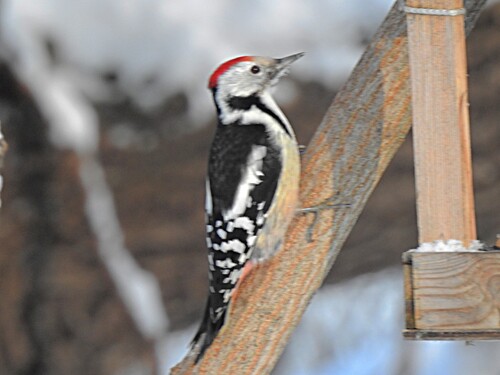 pica-pau-médio
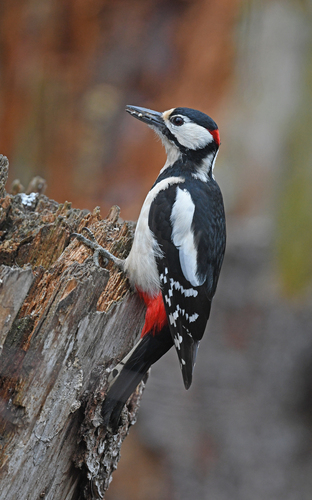 pica-pau-malhado
Em resumo
A marca de campo mais confiável para separar o pica-pau-médio do pica-pau-malhado é a coroa vermelha e a ausência de uma faixa bigode preta no pica-pau-médio, em comparação com a faixa bigode preta do pica-pau-malhado e, em adultos, uma mancha vermelha na nuca (somente machos). Ambas as espécies têm partes superiores semelhantes em preto e branco e manchas ovoides brancas nas asas, tornando a confusão provável, especialmente com imaturos. O pica-pau-médio também apresenta um bico mais curto e fino e uma cabeça mais arredondada e pálida, enquanto o pica-pau-malhado parece mais robusto e tem um bico mais forte. Pica-paus-malhados juvenis podem ser especialmente confusos devido à sua coroa vermelha, mas a atenção cuidadosa ao padrão facial e à estrutura do bico ajudará. Em voo ou à distância, as listras nos flancos (pica-pau-médio) e a extensão e localização do vermelho na cabeça e no vent são fundamentais.
Dicas de identificação
- Coroa vermelha vs. nuca vermelha: O pica-pau-médio (todas as idades/sexos) apresenta uma coroa vermelha sólida, enquanto o pica-pau-malhado macho adulto tem uma mancha vermelha na nuca (não na coroa); as fêmeas não têm vermelho na cabeça. O pica-pau-malhado juvenil pode mostrar uma coroa vermelha, então use com cautela em aves jovens.
- Faixa bigode: O pica-pau-malhado (todas as idades) tem uma faixa bigode preta que vai da base do bico até a bochecha; o pica-pau-médio não possui essa faixa. Esta é frequentemente a marca facial mais confiável.
- Formato do bico: O pica-pau-médio tem um bico notavelmente mais curto e fino em comparação com o bico forte e robusto do pica-pau-malhado. Isso é melhor visto de perfil ou quando ambas as espécies estão presentes.
- Formato e cor da cabeça: O pica-pau-médio tem uma cabeça mais arredondada e pálida, dando uma aparência mais suave; a cabeça do pica-pau-malhado é mais angular e contrastante, especialmente em adultos.
- Listras nos flancos: O pica-pau-médio apresenta listras escuras nos flancos (lados do peito), que estão ausentes ou muito menos marcadas no pica-pau-malhado.
- Cor do vent: O vent (área sob a cauda) é rosa no pica-pau-médio e escarlate no pica-pau-malhado. Isso pode ser visível quando a ave está subindo ou em voo.
- Partes superiores e padrão das asas: Ambas têm partes superiores em preto e branco com manchas ovoides brancas nas asas e asas barradas, então essas características não são diagnósticas. Não confie apenas no padrão da asa superior.
- Confusão juvenil: Pica-paus-malhados juvenis têm uma coroa vermelha e marcas menos definidas, mas ainda mostram uma faixa bigode preta (às vezes incompleta). Juvenis de pica-pau-médio não têm preto no rosto e têm flancos listrados.
- Diferenças sexuais: Somente o macho do pica-pau-malhado tem uma mancha vermelha na nuca; as fêmeas não têm vermelho na cabeça. O pica-pau-médio mostra uma coroa vermelha em ambos os sexos.
- Brilho e contraste: Os adultos do pica-pau-malhado são mais brilhantes e têm marcas mais nítidas, especialmente nas populações do norte. O pica-pau-médio parece mais pálido e menos contrastante.
- Tamanho e aparência: O pica-pau-malhado é mais pesado e robusto, mas o tamanho é sutil e nem sempre confiável.
- Comprimento do bico em voo: Se visto em voo, o bico mais longo do pica-pau-malhado pode ser evidente, especialmente de perfil lateral.
- Contexto de habitat: Ambas podem ocorrer em florestas semelhantes; não use o habitat sozinho para separação.
- Vocalizações: Não coberto nas notas; não confie na voz para separação aqui.
- Cuidado com a confusão com o pica-pau-dos-balcãs: Ambas as espécies podem ser confundidas com o pica-pau-dos-balcãs, mas este não é o foco aqui. Sempre verifique a faixa bigode e a cor da coroa/nuca.
Tamanho
Ambas as espécies são próximas em comprimento (pica-pau-médio: 20–22 cm; pica-pau-malhado: 20–24 cm), mas o pica-pau-malhado é mais pesado (massa adulta ~89 g) e parece mais robusto no geral. O pica-pau-médio parece ligeiramente menor em campo, principalmente devido ao seu bico mais curto e fino e à cabeça mais arredondada. O tamanho sozinho é pouco confiável, exceto em comparação direta, mas o pica-pau-malhado frequentemente dá uma impressão mais robusta.
Plumagem
- Juvenis: Os juvenis de ambas as espécies podem mostrar vermelho na coroa, mas os juvenis de pica-pau-malhado têm uma coroa vermelha que é menos extensa em jovens fêmeas, com marcas menos definidas e uma barriga inferior rosada. Os juvenis de pica-pau-médio mantêm a coroa vermelha, mas não têm faixa bigode preta, e mostram listras escuras nos flancos.
- Adultos: Os adultos de pica-pau-médio têm uma coroa vermelha sólida (não apenas uma mancha na nuca), não têm faixa bigode preta e mostram listras escuras nos flancos e um vent rosa. Os adultos de pica-pau-malhado têm uma faixa bigode preta, uma mancha vermelha na nuca em machos (as fêmeas não têm vermelho na cabeça) e uma barriga/cauda inferior escarlate. Ambos têm partes superiores em preto e branco com manchas ovoides brancas nas asas e barrados nas asas, mas o pica-pau-malhado é mais brilhante e tem marcas mais nítidas, especialmente nas formas do norte.
- Visões de voo: Ambos mostram manchas ovoides brancas nas asas e asas barradas, mas as listras nos flancos do pica-pau-médio e a ausência de preto no rosto são pistas. A área do vent é rosa (pica-pau-médio) vs. escarlate (pica-pau-malhado).
Comportamento
O comportamento é amplamente semelhante: ambas as espécies escalam troncos e galhos, forrageiam batendo e sondando, e podem tamborilar. Nenhuma diferença comportamental forte é notada nas fontes para separação em campo.
Habitat
Ambas as espécies ocorrem em florestas europeias, mas as notas não especificam diferenças de habitat diagnósticas para separação em campo. O contexto pode ajudar localmente, mas não é confiável por si só.