

Picchio rosso mezzano vs Picchio rosso maggiore
Dendrocoptes medius contro Dendrocopos major
Fai un quiz con Picchio rosso mezzano e Picchio rosso maggiore
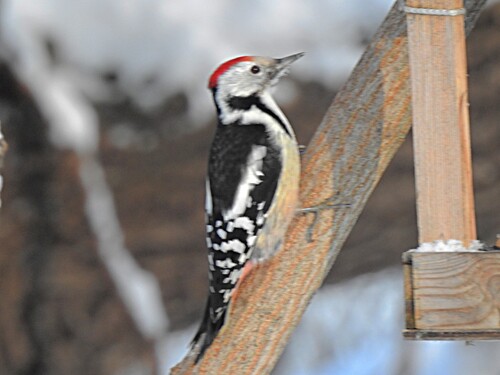 Picchio rosso mezzano
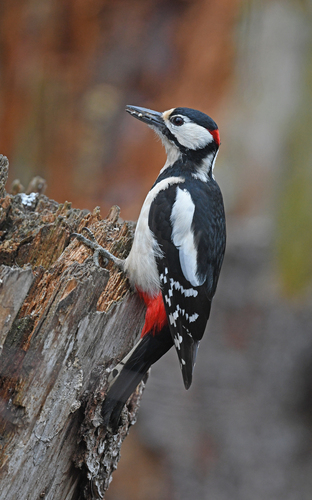 Picchio rosso maggiore
In breve
Il segno di campo più affidabile per separare il Picchio rosso mezzano dal Picchio rosso maggiore è la corona rossa e l'assenza di una striscia nera sul baffo nel Picchio rosso mezzano, rispetto alla striscia nera sul baffo del Picchio rosso maggiore e, negli adulti, una macchia rossa sulla nuca (solo nei maschi). Entrambe le specie hanno parti superiori simili in bianco e nero e macchie ovali bianche sulle ali, rendendo probabile la confusione, specialmente con gli immaturi. Il Picchio rosso mezzano mostra anche un becco più corto e sottile e una testa più arrotondata e chiara, mentre il Picchio rosso maggiore appare più robusto e ha un becco più forte. I giovani Picchi rossi maggiori possono essere particolarmente confusi a causa della loro corona rossa, ma prestare attenzione al motivo del viso e alla struttura del becco aiuterà. In volo o da lontano, le striature sui fianchi (Picchio rosso mezzano) e l'estensione e la posizione del rosso sulla testa e sul ventriglio sono fondamentali.
Consigli di identificazione
- Corona rossa vs. nuca rossa: Il Picchio rosso mezzano (tutte le età/sessi) mostra una corona rossa solida, mentre il Picchio rosso maggiore maschio adulto ha una macchia rossa sulla nuca (non sulla corona); le femmine non hanno rosso sulla testa. I giovani Picchi rossi maggiori possono mostrare una corona rossa, quindi usare cautela con gli uccelli giovani.
- Striscia sul baffo: Il Picchio rosso maggiore (tutte le età) ha una striscia nera sul baffo che corre dalla base del becco fino alla guancia; il Picchio rosso mezzano non ha affatto questa striscia. Questo è spesso il segno facciale più affidabile.
- Forma del becco: Il Picchio rosso mezzano ha un becco visibilmente più corto e sottile rispetto al becco forte e robusto del Picchio rosso maggiore. Questo è meglio visibile di profilo o quando entrambe le specie sono presenti.
- Forma e colore della testa: Il Picchio rosso mezzano ha una testa più arrotondata e chiara, dando un aspetto più morbido; la testa del Picchio rosso maggiore è più angolare e contrastante, specialmente negli adulti.
- Striature sui fianchi: Il Picchio rosso mezzano mostra striature scure sui fianchi (lati del petto), che sono assenti o molto meno marcate nel Picchio rosso maggiore.
- Colore del ventriglio: Il ventriglio (area sotto la coda) è rosa nel Picchio rosso mezzano e scarlatto nel Picchio rosso maggiore. Questo può essere visibile quando l'uccello sta arrampicandosi o in volo.
- Parti superiori e motivo delle ali: Entrambi hanno parti superiori in bianco e nero con macchie ovali bianche sulle ali e ali barrate, quindi queste caratteristiche non sono diagnostiche. Non fare affidamento solo sul motivo della parte superiore dell'ala.
- Confusione giovanile: I giovani Picchi rossi maggiori hanno una corona rossa e segni meno definiti, ma mostrano comunque una striscia nera sul baffo (a volte incompleta). I giovani Picchi rossi mezzani non hanno alcun nero sul viso e hanno fianchi striati.
- Differenze sessuali: Solo il maschio del Picchio rosso maggiore ha una macchia rossa sulla nuca; le femmine non hanno rosso sulla testa. Il Picchio rosso mezzano mostra una corona rossa in entrambi i sessi.
- Lucentezza e contrasto: Gli adulti del Picchio rosso maggiore sono più lucidi e più nettamente marcati, specialmente nelle popolazioni settentrionali. Il Picchio rosso mezzano appare più chiaro e meno contrastante.
- Dimensioni e impressione generale: Il Picchio rosso maggiore è più pesante e robusto, ma la dimensione è sottile e non sempre affidabile.
- Lunghezza del becco in volo: Se visto in volo, il becco più lungo del Picchio rosso maggiore può essere evidente, specialmente di profilo.
- Contesto dell'habitat: Entrambi possono verificarsi in boschi simili; non usare l'habitat da solo per la separazione.
- Vocalizzazioni: Non trattato nelle note; non fare affidamento sulla voce per la separazione qui.
- Attenzione alla confusione con il Syrian Woodpecker: Entrambe le specie possono essere confuse con il Syrian Woodpecker, ma questo non è l'obiettivo qui. Controllare sempre la striscia sul baffo e il colore della corona/nuca.
Taglia
Entrambe le specie sono simili in lunghezza (Picchio rosso mezzano: 20–22 cm; Picchio rosso maggiore: 20–24 cm), ma il Picchio rosso maggiore è più pesante (massa adulta ~89 g) e appare più robusto nel complesso. Il Picchio rosso mezzano appare leggermente più piccolo sul campo, principalmente a causa del suo becco più corto e sottile e della testa più arrotondata. La dimensione da sola non è affidabile, tranne che in confronto diretto, ma il Picchio rosso maggiore spesso dà un'impressione più robusta.
Piumaggio
- Giovani: I giovani di entrambe le specie possono mostrare rosso sulla corona, ma i giovani Picchi rossi maggiori hanno una corona rossa meno estesa nelle giovani femmine, con segni meno definiti e un ventre inferiore rosato. I giovani Picchi rossi mezzani mantengono la corona rossa ma non hanno alcuna striscia nera sul baffo, e mostrano striature scure sui fianchi.
- Adulti: Gli adulti del Picchio rosso mezzano hanno una corona rossa solida (non solo una macchia sulla nuca), non hanno una striscia nera sul baffo, e mostrano striature scure sui fianchi e un ventriglio rosa. Gli adulti del Picchio rosso maggiore hanno una striscia nera sul baffo, una macchia rossa sulla nuca nei maschi (le femmine non hanno rosso sulla testa), e un ventre/parte inferiore scarlatto. Entrambi hanno parti superiori in bianco e nero con macchie ovali bianche sulle ali e barrature bianche sulle ali, ma il Picchio rosso maggiore è più lucido e più nettamente marcato, specialmente nelle forme settentrionali.
- Viste in volo: Entrambi mostrano macchie ovali bianche sulle ali e ali barrate, ma le striature sui fianchi del Picchio rosso mezzano e l'assenza di nero sul viso sono indizi. L'area del ventriglio è rosa (Picchio rosso mezzano) rispetto a scarlatto (Picchio rosso maggiore).
Comportamento
Il comportamento è ampiamente simile: entrambe le specie arrampicano tronchi e rami, cercano cibo picchiettando e sondando, e possono tamburellare. Non sono state notate forti differenze comportamentali nelle fonti per la separazione sul campo.
Habitat
Entrambe le specie si trovano nei boschi europei, ma le note non specificano differenze diagnostiche dell'habitat per la separazione sul campo. Il contesto può aiutare localmente, ma non è affidabile da solo.
Picchio rosso mezzano · Picchio rosso maggiore · I miei uccelli difficili