

calhandrinha-das-marismas vs laverca
Alaudala rufescens versus Alauda arvensis
Jogue um quiz com calhandrinha-das-marismas e laverca
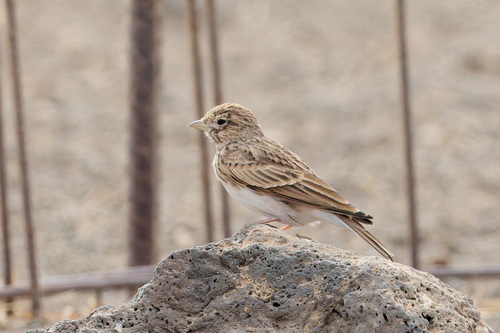 calhandrinha-das-marismas
 laverca
Em resumo
A marca de campo mais confiável entre a calhandrinha-das-marismas e a laverca é o tamanho e a estrutura: a laverca é distintamente maior, com uma cauda mais longa, asas mais largas e frequentemente apresenta uma crista curta e romba, enquanto a calhandrinha-das-marismas é menor, mais compacta e não possui crista. Em voo, a laverca mostra bordas brancas óbvias na cauda e na asa traseira, especialmente ao voar para longe, que estão ausentes na calhandrinha-das-marismas. A forma do bico e as proporções da cabeça também diferem: a calhandrinha-das-marismas tem um bico mais curto e menos cônico e uma cabeça mais arredondada e menor. As listras no peito são mais finas e extensas na calhandrinha-das-marismas, enquanto a laverca é mais clara embaixo, com menos listras. Ambas as espécies podem ser marrons opacas por cima e claras por baixo, então a estrutura e as marcas de voo são fundamentais.
Dicas de identificação
- O tamanho é um separador primário: A laverca é muito maior e mais robusta do que a calhandrinha-das-marismas. Se você ver ambas juntas, a diferença é marcante.
- Padrão da cauda e das asas em voo: A laverca mostra bordas brancas óbvias na cauda e na asa traseira, especialmente ao voar para longe. A calhandrinha-das-marismas não possui essas bordas brancas.
- Presença de crista: A laverca tem uma crista curta e romba que é frequentemente levantada quando alerta ou cantando; a calhandrinha-das-marismas nunca mostra crista, e sua cabeça é mais arredondada.
- Forma do bico: A calhandrinha-das-marismas tem um bico mais curto e menos cônico, enquanto o bico da laverca é mais longo e mais cônico. Isso é sutil, mas visível de perto.
- Cabeça e supercílios: A calhandrinha-das-marismas tem uma cabeça menor e mais arredondada com um supercílio pálido, mas isso é menos proeminente do que na laverca devido à forma geral da cabeça e à falta de crista.
- Listras no peito: A calhandrinha-das-marismas tem listras finas e extensas no peito, enquanto a laverca é mais clara embaixo, com menos listras e uma barriga mais uniforme.
- Canto e exibição: O canto da laverca é entregue em um longo fluxo contínuo durante o voo alto e pairante (frequentemente apenas um ponto no céu). A calhandrinha-das-marismas canta de poleiros mais baixos ou voos curtos, com um canto mais rico, variado e imitativo.
- Postura no chão: A laverca frequentemente fica ereta e pode levantar sua crista, enquanto a calhandrinha-das-marismas é mais horizontal e compacta, nunca mostrando crista.
- Contexto de habitat: Em habitats áridos e escassamente vegetados ao redor do Mediterrâneo, a calhandrinha-das-marismas é mais provável. Em pastagens exuberantes ou terras agrícolas, a laverca é mais provável.
- Sexo e idade: Ambas as espécies são semelhantes entre os sexos, mas os machos da laverca têm asas mais largas para pairar. Nenhuma diferença forte relacionada à idade nas marcas de campo é descrita para a calhandrinha-das-marismas; as bordas brancas da cauda/asa da laverca estão presentes em todas as idades.
- Armadilha – cor geral: Ambas as espécies são marrons por cima e claras por baixo, então a cor sozinha é pouco confiável. Foque na estrutura e nas marcas de voo.
- Armadilha – listras: Embora as listras no peito sejam mais finas na calhandrinha-das-marismas, o desgaste intenso ou vistas ruins podem dificultar esse julgamento. Use em combinação com outras marcas.
- Armadilha – qualidade do canto: O canto mais rico e variado da calhandrinha-das-marismas pode ser difícil de apreciar sem experiência. O estilo de entrega do canto (alto, pairando para a laverca vs. mais baixo para a calhandrinha-das-marismas) é mais confiável.
- Estilo de voo: O voo da laverca é forte e ondulante, com longas planagens e pairando; a calhandrinha-das-marismas é mais rápida e direta, raramente pairando alto.
- Sobreposição geográfica: Se você estiver fora da Bacia do Mediterrâneo, a laverca é muito mais provável; dentro de habitats áridos mediterrâneos, verifique todas as marcas estruturais e de voo cuidadosamente.
Tamanho
A laverca é substancialmente maior, medindo 18–19 cm de comprimento, em comparação com os 13–14 cm da calhandrinha-das-marismas. Essa diferença de tamanho é óbvia em campo, com a laverca parecendo mais robusta, de corpo mais longo e cauda mais longa. A calhandrinha-das-marismas é notavelmente mais compacta e menor no geral. Os sexos são semelhantes em ambas as espécies, mas os machos da laverca têm asas mais largas do que as fêmeas, o que não é uma característica na calhandrinha-das-marismas.
Plumagem
- Pássaros juvenis/imaturos/primeiro-inverno: Nenhuma diferença específica relacionada à idade no padrão da asa superior ou no padrão de voo é descrita para a calhandrinha-das-marismas, mas a laverca de todas as idades mostra bordas brancas na cauda e na asa traseira, visíveis ao voar para longe. Esse branco está ausente na calhandrinha-das-marismas em todas as idades.
- Adultos: A calhandrinha-das-marismas é cinza-marron escura com listras por cima e branca por baixo, com listras finas no peito. A laverca também é marrom por cima e mais clara por baixo, mas com uma parte inferior menos listrada e mais uniforme e uma crista curta e romba que pode ser levantada ou abaixada. As bordas da cauda e da asa traseira da laverca são brancas em voo, enquanto a calhandrinha-das-marismas não possui essas bordas brancas. Ambas têm supercílios pálidos, mas o da calhandrinha-das-marismas é geralmente menos proeminente devido à sua cabeça menor e mais arredondada.
Comportamento
A laverca é famosa por seu voo de exibição: os machos pairam altos no ar (50–100 m) enquanto entregam um canto longo e contínuo, às vezes por vários minutos. A calhandrinha-das-marismas não paira a tais alturas e seu canto é entregue de poleiros mais baixos ou voos curtos. No chão, a laverca frequentemente aparece ereta e pode levantar sua crista, enquanto a calhandrinha-das-marismas é mais compacta, com uma postura mais baixa e horizontal e sem crista. Ambas as espécies forrageiam em solo aberto, mas o voo de exibição da laverca é uma forte pista comportamental.
Habitat
A calhandrinha-das-marismas é encontrada em e ao redor da Bacia do Mediterrâneo, favorecendo habitats secos e abertos, como estepes, semi-desertos e campos arenosos. A laverca é amplamente distribuída pela Europa e pela Paleártica, preferindo terras agrícolas abertas, heath e pastagens. Embora seus habitats possam se sobrepor em áreas abertas, a laverca está mais associada a pastagens exuberantes e campos agrícolas, enquanto a calhandrinha-das-marismas é mais típica de áreas áridas e escassamente vegetadas.
Voz
O canto da laverca é um longo e borbulhante trinado entregue em um fluxo contínuo durante o voo alto e pairante, frequentemente durando vários minutos. O canto da calhandrinha-das-marismas é mais rico, mais variado e imitativo, mas não é entregue de tal pairar alto ou prolongado. A diferença na entrega do canto (pairando alto e sustentado para a laverca vs. voos ou poleiros mais baixos e curtos para a calhandrinha-das-marismas) é frequentemente mais útil do que a qualidade do canto em si.