

malagasy bulbul vs seychelles bulbul
Hypsipetes madagascariensis versus Hypsipetes crassirostris
Jogue um quiz com malagasy bulbul e seychelles bulbul
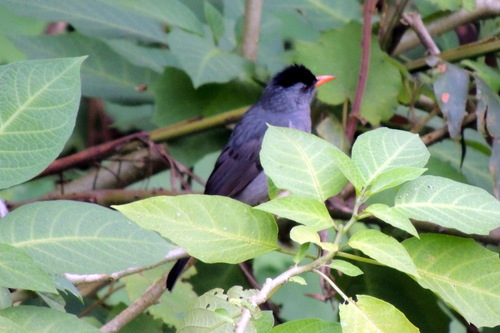 malagasy bulbul
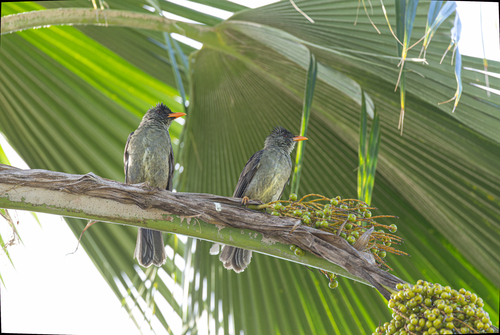 seychelles bulbul
Em resumo
A maneira mais confiável de separar o malagasy bulbul do seychelles bulbul em campo é pela localização: o malagasy bulbul é encontrado apenas em Madagascar e ilhas próximas, enquanto o seychelles bulbul é estritamente limitado às Seychelles. Ambas as espécies são semelhantes em estrutura geral e plumagem, e não há diferenças documentadas de padrão de asa ou voo específicas por idade para usar. Se você encontrar um bulbul em qualquer um dos arquipélagos, a espécie local é quase certamente a presente. Quando a distribuição é ambígua (por exemplo, em uma ilha remota ou em cativeiro), diferenças sutis na espessura do bico e abundância local podem ajudar, mas marcas visuais de campo não estão bem documentadas para separar essas duas espécies.
Dicas de identificação
- A distribuição é diagnóstica: Se você está em Madagascar ou suas ilhas satélites, você está vendo o malagasy bulbul; se você está nas Seychelles, você está vendo o seychelles bulbul. Esta é de longe a separação mais confiável.
- Espessura do bico (sutil): O seychelles bulbul às vezes é referido como 'bulbul de bico grosso', sugerindo um bico ligeiramente mais pesado, mas esta é uma marca sutil e não confiável, a menos que você tenha comparação direta ou esteja familiarizado com ambas as espécies.
- Sem marcas de asa ou voo específicas por idade: Não há diferenças documentadas nos padrões de asa de juvenis ou imaturos, formas de cauda ou silhuetas de voo entre as duas espécies. Não confie nessas características.
- Semelhança na plumagem: Ambas as espécies têm coloração e padrão geral semelhantes; não espere separá-las apenas pela plumagem em campo.
- Semelhança comportamental: Ambas são ativas, sociais e vocais, sem peculiaridades comportamentais notadas para separá-las.
- Habitat dentro da distribuição: Ambas usam uma variedade de habitats florestais, então o tipo de habitat não é diagnóstico a menos que combinado com a distribuição.
- Vocalizações não diagnósticas: Nenhum chamado ou canto distinto é descrito para qualquer uma das espécies nas fontes; não use a voz para separação.
- Nomes alternativos podem causar confusão: Ambas as espécies foram chamadas de 'black bulbul' ou 'bulbul' de suas respectivas ilhas; não confie em nomes comuns para identificação.
- Sem dimorfismo sexual: Não há menção de diferenças de plumagem ou tamanho baseadas em sexo em qualquer uma das espécies.
- Se em dúvida, verifique a localização: Para qualquer bulbul visto na região, sempre confirme sua ilha ou arquipélago antes de tentar separar visualmente essas duas espécies.
Tamanho
Nenhuma medição direta é fornecida para qualquer uma das espécies nas fontes, mas ambas são bulbul de tamanho médio. O seychelles bulbul é às vezes chamado de 'bulbul de bico grosso', sugerindo um bico ligeiramente mais pesado em comparação ao malagasy bulbul, mas esta é uma diferença sutil e não uma marca de campo confiável sem comparação direta. O tamanho geral do corpo é semelhante, e o tamanho sozinho não é uma característica diagnóstica entre essas duas espécies.
Plumagem
Não há diferenças documentadas na plumagem de juvenis, imaturos ou adultos entre o malagasy bulbul e o seychelles bulbul nas fontes disponíveis. Ambas as espécies são descritas como bulbul típicos com partes superiores escuras e partes inferiores mais claras, e nenhum padrão único de asa ou cauda é mencionado para qualquer classe etária. Nenhuma marca distinta de asa ou voo é notada para separar imaturos ou adultos.
Comportamento
Ambas as espécies são bulbul típicos em comportamento, sendo ativas, vocais e frequentemente vistas em pares ou pequenos grupos. Nenhuma característica comportamental é descrita nas fontes que separaria de forma confiável o malagasy bulbul do seychelles bulbul em campo.
Habitat
O habitat é a pista contextual mais útil: o malagasy bulbul é encontrado em toda Madagascar e algumas ilhas próximas, enquanto o seychelles bulbul é restrito às Seychelles, onde é comum em várias ilhas principais. Ambas as espécies usam uma variedade de habitats florestais dentro de suas respectivas distribuições, então o tipo de habitat sozinho não é diagnóstico a menos que combinado com a localização geográfica.
Voz
Nenhuma diferença vocal específica é descrita nas fontes disponíveis. Ambas as espécies são conhecidas por serem vocais, mas sem gravações ou descrições detalhadas, a voz não pode ser usada para separá-las.