

chilreta vs trinta-réis-miúdo
Sternula albifrons versus Sternula antillarum
Jogue um quiz com chilreta e trinta-réis-miúdo
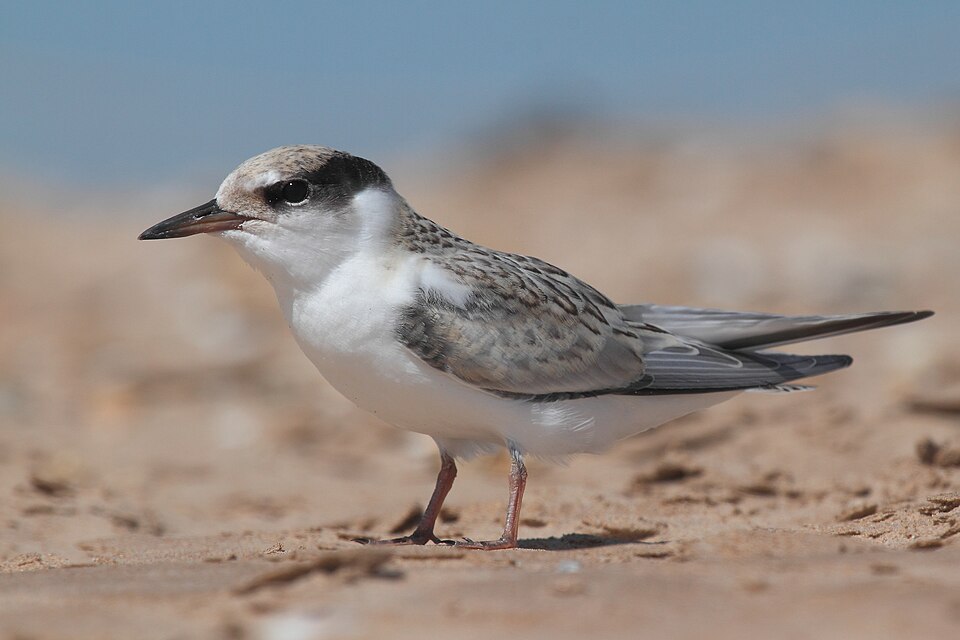 chilreta
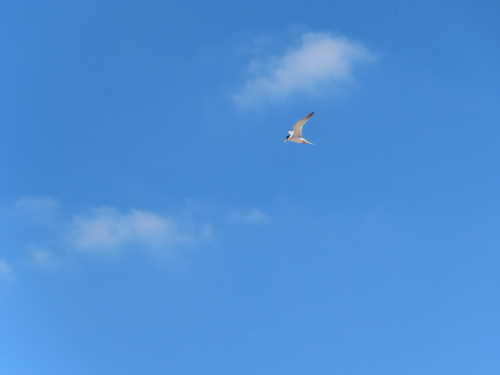 trinta-réis-miúdo
Em resumo
A marca de campo mais confiável para separar a chilreta do trinta-réis-miúdo é a cor do rabo e da cauda em todas as plumagens: a chilreta tem um rabo e cauda brancos, enquanto o trinta-réis-miúdo apresenta um rabo e cauda cinzas. Ambas as espécies são muito semelhantes em tamanho e estrutura, com bicos amarelos (com ponta preta durante a reprodução) e pernas amareladas, mas sutis diferenças na coloração das asas e da cauda são fundamentais. Na plumagem não reprodutiva (inverno), ambas as espécies mostram mais branco na testa e bicos mais escuros, portanto, atenção cuidadosa à cor do rabo e da cauda é essencial. As vocalizações diferem, mas nem sempre são diagnósticas em campo. O contexto geográfico pode ajudar, já que suas áreas de reprodução e invernada mal se sobrepõem.
Dicas de identificação
- Cor do rabo e da cauda: A única marca mais confiável— a chilreta tem um rabo e cauda brancos, enquanto o trinta-réis-miúdo tem um rabo e cauda cinzas. Isso funciona em todas as idades e estações, incluindo juvenis e adultos não reprodutivos.
- Sombra das partes superiores: As partes superiores do trinta-réis-miúdo são um cinza pálido bastante uniforme; a chilreta também é cinza pálido, mas isso não é um separador forte.
- Cor do bico (reprodução): Ambas têm bicos amarelos com uma ponta preta na plumagem de reprodução. Isso não é um separador confiável entre os dois.
- Cor do bico (não reprodução): No inverno, ambas as espécies têm bicos principalmente escuros, então essa característica não ajuda a separá-las.
- Cor das pernas: Ambas têm pernas amareladas, que ficam mais opacas no inverno. Não é um separador útil.
- Mancha na testa: Ambas as espécies mostram uma mancha branca na testa durante a reprodução, que se torna mais extensa no inverno. A forma e o tamanho da mancha são semelhantes em ambas.
- Gorro e faixa ocular: Ambas têm um gorro preto e uma linha através do olho até a base do bico. No inverno, o gorro preto é menos definido em ambas.
- Padrão das asas: Ambas têm asas cinzas pálidas com marcas pretas nas primárias externas. Nenhum padrão de asa juvenil ou imaturo distintivo é mencionado para separar os dois.
- Estilo de voo: O trinta-réis-miúdo é descrito como tendo batidas de asa rápidas e abruptas e uma aparência corcunda com o bico apontando ligeiramente para baixo. O voo da chilreta é semelhante, mas pode parecer menos corcunda.
- Vocalizações: O chamado do trinta-réis-miúdo é descrito como mais estridente em comparação com a chilreta, mas isso é sutil e não sempre diagnóstico.
- Contexto geográfico: Se visto nas Américas, especialmente na América do Norte, é quase certamente um trinta-réis-miúdo. Na Europa, Ásia, África ou Austrália, é quase certamente uma chilreta. Apenas vagantes extremamente raros inverteriam isso.
- Habitat: Ambas as espécies usam habitats semelhantes, abertos, arenosos ou pedregosos perto da água, então o habitat sozinho não é um separador a menos que combinado com a área de distribuição.
- Tamanho: Ambas são terns muito pequenas, com medidas quase idênticas; o tamanho não é uma marca de campo.
- Armadilhas: Na plumagem não reprodutiva, ambas as espécies perdem as cores brilhantes do bico e das pernas, e a testa branca se expande, tornando-as ainda mais semelhantes. Sempre verifique a cor do rabo e da cauda.
- Idade/estação: Nenhum padrão distintivo de asa juvenil ou parte superior é descrito para separar os dois, então concentre-se na cor do rabo/cauda em todas as idades.
Tamanho
Ambas as espécies são terns muito pequenas, com a chilreta medindo 21–25 cm de comprimento e o trinta-réis-miúdo 22–24 cm, então o tamanho sozinho não é um separador confiável. A chilreta é ligeiramente mais pesada (massa corporal ~57 g) em comparação com o trinta-réis-miúdo (39–52 g), mas isso não é discernível em campo. O trinta-réis-miúdo tem uma envergadura ligeiramente maior (até 50 cm vs. 47 cm para a chilreta), mas essa diferença é sutil e geralmente não é aparente em vistas com binóculos.
Plumagem
- Juvenil/imaturo e plumagem não reprodutiva: A característica mais diagnóstica é a cor do rabo e da cauda: a chilreta tem um rabo e cauda brancos, enquanto o rabo e a cauda do trinta-réis-miúdo são cinzas. Isso se mantém verdadeiro em todas as idades e estações. Ambas as espécies têm partes superiores cinzas pálidas e partes inferiores brancas, mas as partes superiores do trinta-réis-miúdo podem parecer ligeiramente mais pálidas e mais uniformes.
- Adulto reprodutivo: Ambas mostram um gorro preto com uma mancha branca na testa, bico amarelo com ponta preta e pernas amareladas. Na reprodução, essas características são quase idênticas, mas a cor do rabo/cauda permanece diagnóstica.
- Adulto não reprodutivo/invernal: Ambas as espécies desenvolvem uma testa branca mais extensa e o bico se torna principalmente escuro, com pernas mais opacas. O gorro preto é menos definido. A diferença na cor do rabo/cauda permanece a melhor marca.
- Padrão das asas: Ambas têm asas cinzas pálidas com marcas pretas nas primárias externas, mas não há menção de marcas de asas juvenis distintivas (como um 'W' preto ou borda trailing) que separem essas duas.
Comportamento
Ambas as espécies caçam pairando e mergulhando para pequenos peixes em águas rasas, frequentemente sobre estuários, lagoas ou águas costeiras. O trinta-réis-miúdo é notado por batidas de asa rápidas e abruptas e uma silhueta de voo corcunda com o bico ligeiramente inclinado para baixo. O estilo de voo da chilreta é semelhante, mas a aparência corcunda é mais frequentemente notada no trinta-réis-miúdo. Ambas as espécies nidificam e repousam em solo aberto com pouca cobertura.
Habitat
A chilreta se reproduz na Europa, Ásia, norte e oeste da África, e leste da Austrália, utilizando costas e vias navegáveis interiores, e inverna em oceanos subtropicais/tropicais. O trinta-réis-miúdo se reproduz na América do Norte e localmente no norte da América do Sul, invernando na América Central, no Caribe e no norte da América do Sul. Suas áreas de distribuição não se sobrepõem, exceto como vagantes raros. Ambas as espécies utilizam habitats semelhantes—praias abertas de areia ou cascalho, estuários e lagoas—mas se você estiver nas Américas, o trinta-réis-miúdo é esperado; no Velho Mundo, a chilreta é a padrão.
Voz
O trinta-réis-miúdo tem um chamado distinto, mais estridente em comparação com a chilreta. No entanto, os chamados nem sempre são facilmente separados em campo, e ambas as espécies podem soar semelhantes para o ouvido não treinado. A vocalização é uma marca de campo secundária, não primária.