

Fraticello vs Least Tern
Sternula albifrons contro Sternula antillarum
Fai un quiz con Fraticello e Least Tern
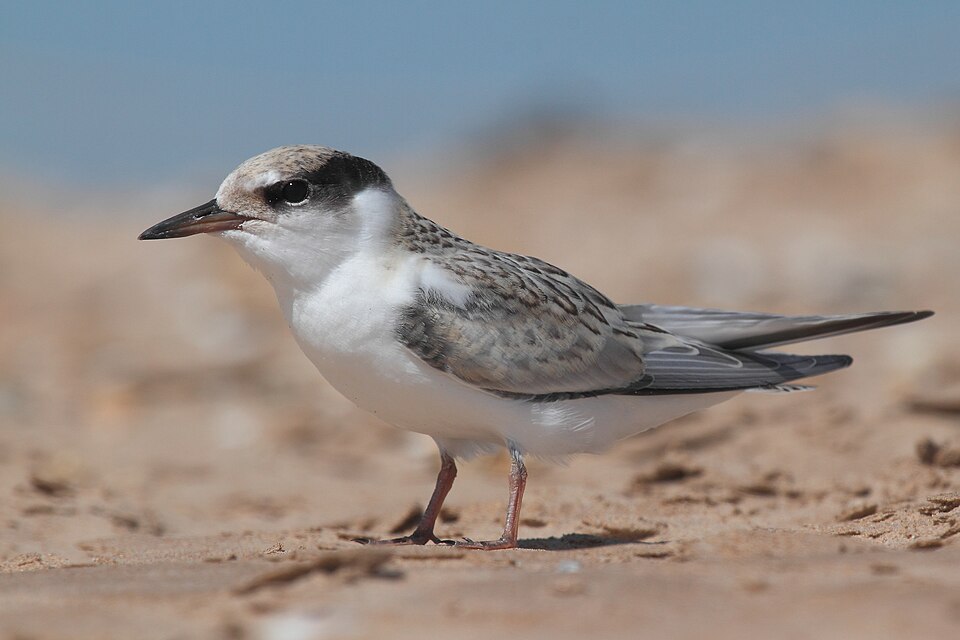 Fraticello
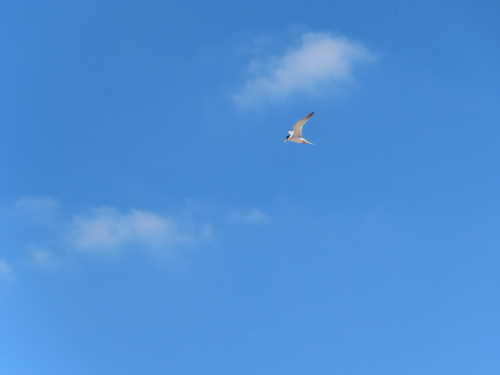 Least Tern
In breve
Il segno di campo più affidabile per separare il Fraticello dal Least Tern è il colore del sopracciglio e della coda in tutte le livree: il Fraticello ha un sopracciglio e una coda bianchi, mentre il Least Tern mostra un sopracciglio e una coda grigi. Entrambe le specie sono molto simili in dimensioni e struttura, con becchi gialli (punta nera in riproduzione) e zampe giallastre, ma sottili differenze nella colorazione delle ali e della coda sono fondamentali. Nella livrea non riproduttiva (inverno), entrambe le specie mostrano un bianco più esteso sulla fronte e becchi più scuri, quindi prestare attenzione al colore del sopracciglio e della coda è essenziale. Le vocalizzazioni differiscono, ma non sono sempre diagnostiche sul campo. Il contesto geografico può aiutare, poiché le loro aree di riproduzione e svernamento si sovrappongono a malapena.
Consigli di identificazione
- Colore del sopracciglio e della coda: Il segno più affidabile—il Fraticello ha un sopracciglio e una coda bianchi, mentre il Least Tern ha un sopracciglio e una coda grigi. Questo funziona in tutte le età e stagioni, inclusi i giovani e gli adulti non in riproduzione.
- Tonalità delle parti superiori: Le parti superiori del Least Tern sono di un grigio pallido abbastanza uniforme; il Fraticello è anch'esso grigio pallido, ma questo non è un forte separatore.
- Colore del becco (riproduzione): Entrambi hanno becchi gialli con una punta nera in livrea di riproduzione. Questo non è un separatore affidabile tra i due.
- Colore del becco (non riproduzione): In inverno, entrambe le specie hanno becchi per lo più nerognoli, quindi questa caratteristica non aiuta a separarli.
- Colore delle zampe: Entrambi hanno zampe giallastre, che diventano più opache in inverno. Non è un separatore utile.
- Macchia sulla fronte: Entrambe le specie mostrano una macchia bianca sulla fronte in riproduzione, che diventa più estesa in inverno. La forma e la dimensione della macchia sono simili in entrambe.
- Cappello e striscia oculare: Entrambi hanno un cappello nero e una linea attraverso l'occhio fino alla base del becco. In inverno, il cappello nero è meno nettamente definito in entrambi.
- Schema delle ali: Entrambi hanno ali grigie pallide con marcature nere sulle primarie esterne. Non viene menzionato alcun schema distintivo delle ali per i giovani o gli immaturi per separare i due.
- Stile di volo: Il Least Tern è descritto come avente battiti d'ali rapidi e irregolari e un aspetto gobbo con il becco puntato leggermente verso il basso. Il volo del Fraticello è simile ma può apparire meno gobbo.
- Vocalizzazioni: Il richiamo del Least Tern è descritto come più stridulo rispetto a quello del Fraticello, ma questo è sottile e non sempre diagnostico.
- Contesto geografico: Se visto nelle Americhe, specialmente in Nord America, è quasi certamente un Least Tern. In Europa, Asia, Africa o Australia, è quasi certamente un Fraticello. Solo vagabondi estremamente rari invertirebbero questa situazione.
- Habitat: Entrambe le specie utilizzano habitat simili, aperti, sabbiosi o ghiaiosi vicino all'acqua, quindi l'habitat da solo non è un separatore a meno che non sia combinato con l'area.
- Dimensioni: Entrambi sono terns molto piccoli, con misure quasi identiche; la dimensione non è un segno di campo.
- Trappole: Nella livrea non riproduttiva, entrambe le specie perdono i colori brillanti del becco e delle zampe, e la fronte bianca si espande, rendendole ancora più simili. Controlla sempre il colore del sopracciglio e della coda.
- Età/stagione: Non viene descritto alcun schema distintivo delle ali o delle parti superiori per i giovani per separare i due, quindi concentrati sul colore del sopracciglio/coda in tutte le età.
Taglia
Entrambe le specie sono terns molto piccoli, con il Fraticello che misura 21–25 cm di lunghezza e il Least Tern 22–24 cm, quindi la dimensione da sola non è un separatore affidabile. Il Fraticello è leggermente più pesante (massa corporea ~57 g) rispetto al Least Tern (39–52 g), ma questo non è discernibile sul campo. Il Least Tern ha un'apertura alare leggermente più lunga (fino a 50 cm contro 47 cm per il Fraticello), ma questa differenza è sottile e di solito non è apparente nella visione binoculare.
Piumaggio
- Livrea giovanile/immatura e non riproduttiva: La caratteristica più diagnostica è il colore del sopracciglio e della coda: il Fraticello ha un sopracciglio e una coda bianchi, mentre il sopracciglio e la coda del Least Tern sono grigi. Questo è vero in tutte le età e stagioni. Entrambe le specie hanno parti superiori grigie pallide e parti inferiori bianche, ma le parti superiori del Least Tern possono apparire leggermente più chiare e più uniformi.
- Adulto in riproduzione: Entrambi mostrano un cappello nero con una macchia bianca sulla fronte, un becco giallo con una punta nera e zampe giallastre. In riproduzione, queste caratteristiche sono quasi identiche, ma il colore del sopracciglio/coda rimane diagnostico.
- Adulto non in riproduzione/invernale: Entrambe le specie sviluppano una fronte bianca più estesa e il becco diventa per lo più nerognolo, con zampe più opache. Il cappello nero è meno nettamente definito. La differenza di colore del sopracciglio/coda rimane il miglior segno.
- Schema delle ali: Entrambi hanno ali grigie pallide con marcature nere sulle primarie esterne, ma non viene menzionato alcun segno distintivo delle ali giovanili (come una 'W' nera o un bordo posteriore) che separi questi due.
Comportamento
Entrambe le specie cacciano sospendendosi e tuffandosi per pesci piccoli in acque poco profonde, spesso sopra estuari, lagune o acque costiere. Il Least Tern è noto per i battiti d'ali rapidi e irregolari e un profilo di volo gobbo con il becco leggermente inclinato verso il basso. Lo stile di volo del Fraticello è simile, ma il profilo gobbo è più spesso notato nel Least Tern. Entrambe le specie nidificano e si riposano su terreni aperti con poca copertura.
Habitat
Il Fraticello nidifica in tutta Europa, Asia, nord e ovest Africa e Australia orientale, utilizzando coste e corsi d'acqua interni, e sverna negli oceani subtropicali/tropicali. Il Least Tern nidifica in Nord America e localmente nel nord del Sud America, svernando in America Centrale, nei Caraibi e nel nord del Sud America. Le loro aree non si sovrappongono tranne che come vagabondi rari. Entrambe le specie utilizzano habitat simili: spiagge aperte sabbiose o ghiaiose, estuari e lagune, ma se ti trovi nelle Americhe, ci si aspetta il Least Tern; nel Vecchio Mondo, il Fraticello è il default.
Voce
Il Least Tern ha un richiamo distintivo, più stridulo rispetto a quello del Fraticello. Tuttavia, i richiami non sono sempre facilmente separabili sul campo, e entrambe le specie possono suonare simili all'orecchio non allenato. La vocalizzazione è un segno di campo secondario, non primario.