

mergulhão-pequeno-europeu vs mergulhão-de-crista
Tachybaptus ruficollis versus Podiceps cristatus
Jogue um quiz com mergulhão-pequeno-europeu e mergulhão-de-crista
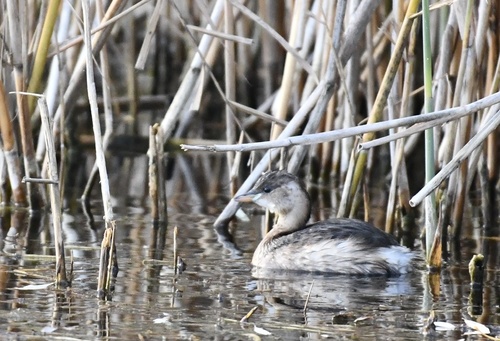 mergulhão-pequeno-europeu
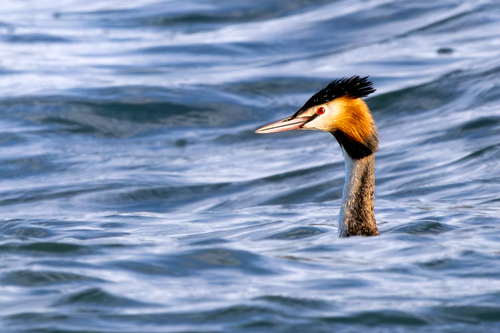 mergulhão-de-crista
Em resumo
A maneira mais confiável de separar o mergulhão-pequeno-europeu do mergulhão-de-crista em campo é pelo tamanho e estrutura, mas a plumagem específica da idade também é fundamental: os juvenis de mergulhão-pequeno-europeu apresentam bicos amarelos e listras faciais em preto e branco, enquanto os juvenis de mergulhão-de-crista têm cabeças listradas de forma ousada ('humbug'). Os adultos são inconfundíveis no verão, com o mergulhão-pequeno-europeu mostrando uma aparência compacta e escura, com pescoço ruivo, e o mergulhão-de-crista exibindo penas ornamentadas na cabeça e um pescoço longo. No inverno, ambas as espécies perdem suas cores mais brilhantes, mas o mergulhão-de-crista permanece muito maior e com pescoço mais longo. As vistas de voo e o contexto do habitat podem ajudar, mas concentre-se primeiro no tamanho, bico e padrão facial para uma separação rápida.
Dicas de identificação
- O tamanho é a primeira verificação: O mergulhão-de-crista é muito maior e com pescoço mais longo do que o mergulhão-pequeno-europeu. Se você ver um mergulhão que parece quase do tamanho de um pato ou mais, não é um mergulhão-pequeno-europeu.
- Padrão facial juvenil: Os juvenis de mergulhão-pequeno-europeu têm bicos amarelos com pontas pretas e listras em preto e branco nas bochechas e pescoço. Os juvenis de mergulhão-de-crista têm listras pretas e brancas ousadas em toda a cabeça ('padrão humbug'), que é muito mais extensa e marcante.
- Cor e forma do bico: O mergulhão-pequeno-europeu tem um bico curto e pontudo (amarelo em juvenis, escuro em adultos), enquanto o mergulhão-de-crista tem um bico mais longo, reto e rosado no inverno e nas temporadas de reprodução.
- Plumagem de reprodução dos adultos: Os adultos de mergulhão-pequeno-europeu mostram um ruivo rico no pescoço, bochechas e flancos, com uma abertura bucal amarela brilhante. Os adultos de mergulhão-de-crista têm penas ornamentadas pretas na cabeça e franjinhas castanhas, com um rosto e pescoço brancos—muito mais flamboyant.
- Plumagem de inverno dos adultos: Ambas as espécies tornam-se mais simples, mas o mergulhão-pequeno-europeu é de cor buff com uma touca escura e forma compacta, enquanto o mergulhão-de-crista é de rosto branco, pescoço longo e ainda muito maior.
- Forma do corpo e jizz: O mergulhão-pequeno-europeu é redondo, compacto e flutua alto na água com uma traseira 'puff de pó'. O mergulhão-de-crista é alongado, baixo e elegante, com um pescoço longo e costas planas.
- Vistas de voo: Nenhum padrão distintivo de asa superior é descrito para qualquer uma das espécies aqui, mas o mergulhão-pequeno-europeu pode mostrar um pouco de branco nas secundárias dependendo da subespécie. O mergulhão-de-crista em voo é de pescoço longo e grande, com amplos painéis brancos nas asas (não descrito em detalhes aqui).
- Contexto do habitat: O mergulhão-pequeno-europeu é mais provável de ser encontrado em pequenos lagos e pântanos com vegetação; o mergulhão-de-crista prefere lagos grandes e águas abertas.
- Comportamento quando perturbado: O mergulhão-pequeno-europeu mergulha instantaneamente e desaparece rapidamente. O mergulhão-de-crista pode nadar para longe ou mergulhar, mas é menos furtivo.
- Carregando filhotes: Ambas as espécies carregam filhotes nas costas, mas se você ver um grande mergulhão com filhotes de cabeça listrada, é o mergulhão-de-crista.
- Vocalização: Ouça o chamado trinado e relinchante do mergulhão-pequeno-europeu, especialmente na primavera e no verão. O mergulhão-de-crista é geralmente mais silencioso.
- Tamanho do grupo: O mergulhão-de-crista é frequentemente visto em pares ou pequenos grupos em águas abertas; o mergulhão-pequeno-europeu é geralmente solitário ou em pequenos grupos familiares.
- Cor do bico no inverno: O bico do mergulhão-de-crista é rosado no inverno, enquanto o do mergulhão-pequeno-europeu é escuro.
- Padrão facial no inverno: O mergulhão-de-crista tem um rosto branco com uma touca escura; o mergulhão-pequeno-europeu é mais simples, com uma touca escura, mas sem forte contraste.
- Quando em dúvida: Se o pássaro parecer 'pequeno, redondo e fofinho', é quase certamente um mergulhão-pequeno-europeu. Se parecer 'longo, elegante e semelhante a um cisne', é o mergulhão-de-crista.
Tamanho
O mergulhão-de-crista é dramaticamente maior do que o mergulhão-pequeno-europeu: pesa cerca de 875 g [wikidata], enquanto o mergulhão-pequeno-europeu é muito menor (nenhuma massa precisa dada aqui, mas é o menor mergulhão europeu). O mergulhão-de-crista mede 46–51 cm de comprimento com uma envergadura de 59–73 cm [wikipedia], superando o mergulhão-pequeno-europeu, que é atarracado e de pescoço curto. Mesmo à distância, a diferença de tamanho é óbvia se ambos forem vistos juntos. O mergulhão-pequeno-europeu é compacto e de corpo redondo, com um pescoço e bico curtos, enquanto o mergulhão-de-crista é alongado, esbelto e semelhante a um cisne em perfil.
Plumagem
-
Juvenis: Os juvenis de mergulhão-pequeno-europeu têm um bico amarelo com uma ponta preta e listras em preto e branco nas bochechas e pescoço. À medida que envelhecem, o bico escurece e as listras desaparecem. Os filhotes de mergulhão-de-crista são listrados em preto e branco de forma ousada na cabeça ('padrão humbug'), que eles perdem durante seu primeiro inverno.
-
Adultos (verão): Os adultos de mergulhão-pequeno-europeu são escuros por cima, com um ruivo rico no pescoço, bochechas e flancos, além de uma abertura bucal amarela brilhante. Os adultos de mergulhão-de-crista exibem penas pretas elaboradas na cabeça, franjinhas castanhas e um rosto e pescoço brancos marcantes.
-
Adultos (inverno): O mergulhão-pequeno-europeu torna-se de cor buff com um dorso e touca mais escuros, perdendo o ruivo, e parece simples e compacto. O mergulhão-de-crista perde suas penas na cabeça, mostrando um rosto branco com um bico rosado e um longo pescoço branco, mas permanece muito maior e mais elegante.
-
Voo/asas: As subespécies de mergulhão-pequeno-europeu podem mostrar quantidades variáveis de branco nas secundárias, mas isso não é uma marca de campo primária na maioria das regiões. Nenhum padrão de voo distintivo é descrito para qualquer uma das espécies nessas notas.
Comportamento
Ambas as espécies são excelentes mergulhadores e passam a maior parte do tempo na água. O mergulhão-pequeno-europeu é especialmente rápido para mergulhar quando perturbado, frequentemente desaparecendo com mal apenas uma ondulação. O mergulhão-de-crista também é um forte mergulhador, mas é mais provável que seja visto realizando exibições de cortejo elaboradas, especialmente na primavera, com movimentos de cabeça sincronizados e danças com vegetação. Ambas as espécies carregam filhotes nas costas, mas os adultos de mergulhão-de-crista são famosos por esse comportamento, frequentemente mergulhando e deixando os filhotes flutuar brevemente antes de retornar.
Habitat
Ambas as espécies habitam lagos e lagoas de água doce, mas o mergulhão-de-crista prefere lagos maiores, abertos e vegetados e às vezes inverna em reservatórios ou águas costeiras. O mergulhão-pequeno-europeu é mais frequentemente encontrado em lagoas menores, pântanos e águas abrigadas, e é menos provável de ser visto em lagos grandes e abertos. Se você ver um mergulhão em uma pequena lagoa com vegetação, é mais provável que seja um mergulhão-pequeno-europeu; em um grande lago aberto, especialmente com outros de sua espécie, o mergulhão-de-crista é mais provável.
Voz
O mergulhão-pequeno-europeu emite um chamado trinado e repetido 'weet-weet-weet' ou 'wee-wee-wee', que lembra o relinchar de um cavalo, especialmente na época de reprodução. Nenhuma vocalização específica é descrita para o mergulhão-de-crista nessas notas, mas seus chamados são geralmente ouvidos com menos frequência e são menos distintos do que o relincho do mergulhão-pequeno-europeu.
mergulhão-pequeno-europeu · mergulhão-de-crista · Minhas aves difíceis