

Tuffetto vs Svasso maggiore
Tachybaptus ruficollis contro Podiceps cristatus
Fai un quiz con Tuffetto e Svasso maggiore
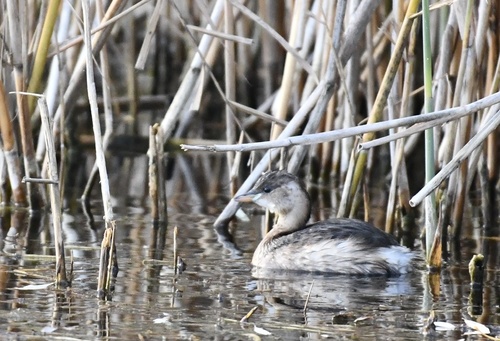 Tuffetto
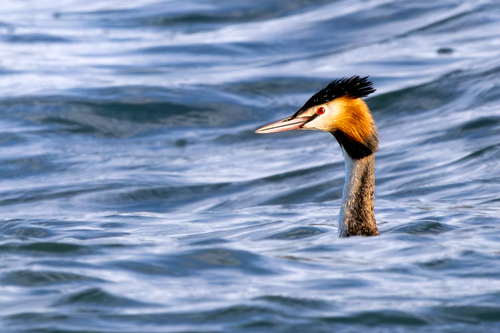 Svasso maggiore
In breve
Il modo più affidabile per separare il Tuffetto dallo Svasso maggiore sul campo è per dimensioni e struttura, ma il piumaggio specifico per età è anche fondamentale: i Tuffetti juvenili mostrano becchi gialli e strisce facciali bianche e nere, mentre gli Svassi maggiori juvenili hanno teste a strisce ('humbug') ben definite. Gli adulti sono inconfondibili in estate, con il Tuffetto che mostra un aspetto compatto, scuro e con collo rugginoso, e lo Svasso maggiore che sfoggia piume ornate sulla testa e un collo lungo. In inverno, entrambe le specie perdono i loro colori più brillanti, ma lo Svasso maggiore rimane molto più grande e con collo più lungo. Le viste in volo e il contesto dell'habitat possono aiutare, ma concentrati prima su dimensioni, becco e modello facciale per una separazione rapida.
Consigli di identificazione
- La dimensione è il primo controllo: Lo Svasso maggiore è molto più grande e con collo più lungo rispetto al Tuffetto. Se vedi un grebe che sembra quasi delle dimensioni di un'anatra o più, non è un Tuffetto.
- Modello facciale dei juvenili: I Tuffetti juvenili hanno becchi gialli con punte nere e strisce bianche e nere sulle guance e sul collo. Gli Svassi maggiori juvenili hanno bold strisce nere e bianche su tutta la testa ('humbug'), che sono molto più estese e sorprendenti.
- Colore e forma del becco: Il Tuffetto ha un becco corto e appuntito (giallo nei juvenili, scuro negli adulti), mentre lo Svasso maggiore ha un becco più lungo, dritto e rossastro in inverno e durante la stagione di riproduzione.
- Piumaggio di riproduzione degli adulti: Gli adulti di Tuffetto mostrano un ricco rugginoso sul collo, sulle guance e sui fianchi con una bocca gialla brillante. Gli adulti di Svasso maggiore hanno piume nere ornate sulla testa e frange castanee, con un viso e un collo bianchi—molto più appariscenti.
- Piumaggio invernale degli adulti: Entrambe le specie diventano più semplici, ma il Tuffetto è di colore buffo con un cappuccio scuro e una forma compatta, mentre lo Svasso maggiore ha un viso bianco, collo lungo e rimane comunque molto più grande.
- Forma del corpo e jizz: Il Tuffetto è rotondo, compatto e si trova in alto nell'acqua con un posteriore a 'puffo di polvere'. Lo Svasso maggiore è allungato, basso e elegante, con un collo lungo e una schiena piatta.
- Viste in volo: Non è descritto alcun modello distintivo della parte superiore dell'ala per nessuna delle due specie qui, ma il Tuffetto può mostrare un po' di bianco nelle secondarie a seconda della sottospecie. Lo Svasso maggiore in volo è lungo di collo e grande, con ampi pannelli bianchi sulle ali (non descritti in dettaglio qui).
- Contesto dell'habitat: Il Tuffetto è più probabile trovarlo in piccoli stagni infestati di vegetazione e paludi; lo Svasso maggiore preferisce laghi grandi e acque aperte.
- Comportamento quando disturbato: Il Tuffetto tuffa istantaneamente e scompare rapidamente. Lo Svasso maggiore può nuotare via o tuffarsi, ma è meno furtivo.
- Portare i pulcini: Entrambe le specie portano i pulcini sulla schiena, ma se vedi un grande grebe con pulcini a testa striata, è lo Svasso maggiore.
- Vocalizzazione: Ascolta il richiamo trillato e nitrito del Tuffetto, specialmente in primavera e estate. Lo Svasso maggiore è generalmente più silenzioso.
- Dimensione del gruppo: Lo Svasso maggiore è spesso visto in coppie o piccoli gruppi su acque aperte; il Tuffetto è solitamente solitario o in piccoli gruppi familiari.
- Colore del becco in inverno: Il becco dello Svasso maggiore è rossastro in inverno, mentre quello del Tuffetto è scuro.
- Modello facciale in inverno: Lo Svasso maggiore ha un viso bianco con un cappuccio scuro; il Tuffetto è più semplice, con un cappuccio scuro ma senza un forte contrasto.
- Quando hai dubbi: Se l'uccello sembra 'piccolo, rotondo e soffice,' è quasi certamente un Tuffetto. Se sembra 'lungo, elegante e simile a un cigno,' è lo Svasso maggiore.
Taglia
Lo Svasso maggiore è drammaticamente più grande del Tuffetto: pesa circa 875 g [wikidata], mentre il Tuffetto è molto più piccolo (non è fornito un peso preciso qui, ma è il grebe europeo più piccolo). Lo Svasso maggiore è lungo 46–51 cm con un'apertura alare di 59–73 cm [wikipedia], svettando sopra il Tuffetto tozzo e dal collo corto. Anche a distanza, il divario di dimensioni è ovvio se entrambi sono visti insieme. Il Tuffetto è compatto e dal corpo rotondo, con un collo e un becco corti, mentre lo Svasso maggiore è allungato, snodato e simile a un cigno nel profilo.
Piumaggio
-
Juvenili: I Tuffetti juvenili hanno un becco giallo con una punta nera e strisce bianche e nere sulle guance e sul collo. Con l'età, il becco scurisce e le strisce svaniscono. I pulcini di Svasso maggiore sono audacemente striati di nero e bianco sulla testa ('humbug'), che perdono durante il loro primo inverno.
-
Adulti (estate): Gli adulti di Tuffetto sono scuri sopra con un ricco rugginoso sul collo, sulle guance e sui fianchi, oltre a una bocca gialla brillante. Gli adulti di Svasso maggiore mostrano elaborate piume nere sulla testa, frange castanee e un viso e collo bianchi sorprendenti.
-
Adulti (inverno): Il Tuffetto diventa di colore buffo con un dorso e un cappuccio più scuri, perdendo il rugginoso, e appare semplice e compatto. Lo Svasso maggiore perde le sue piume sulla testa, mostrando un viso bianco con un becco rosa e un lungo collo bianco, ma rimane molto più grande e più elegante.
-
Volo/ala: Le sottospecie di Tuffetto possono mostrare diverse quantità di bianco nelle secondarie, ma questo non è un segno distintivo principale nella maggior parte delle regioni. Non è descritto alcun modello di volo distintivo per nessuna delle due specie in queste note.
Comportamento
Entrambe le specie sono eccellenti subacquee e trascorrono la maggior parte del loro tempo sull'acqua. Il Tuffetto è particolarmente veloce a tuffarsi quando viene disturbato, spesso scomparendo con appena un'onda. Lo Svasso maggiore è anche un forte subacqueo ma è più probabile vederlo eseguire elaborate esibizioni di corteggiamento, specialmente in primavera, con movimenti sincronizzati della testa e danze tra le alghe. Entrambe le specie portano i pulcini sulla schiena, ma gli adulti di Svasso maggiore sono famosi per questo comportamento, spesso tuffandosi e lasciando i pulcini galleggiare brevemente prima di tornare.
Habitat
Entrambe le specie abitano laghi e stagni d'acqua dolce, ma lo Svasso maggiore preferisce laghi più grandi, aperti e vegetati e talvolta trascorre l'inverno in bacini o acque costiere. Il Tuffetto è più spesso trovato in stagni più piccoli, paludi e acque riparate, ed è meno probabile vederlo in laghi grandi e aperti. Se vedi un grebe in uno stagno piccolo e infestato di vegetazione, è più probabile che sia un Tuffetto; in un grande lago aperto, specialmente con altri della sua specie, è più probabile che sia uno Svasso maggiore.
Voce
Il Tuffetto emette un richiamo trillato e ripetuto 'weet-weet-weet' o 'wee-wee-wee', che ricorda il nitrito di un cavallo, specialmente durante la stagione di riproduzione. Non è descritta alcuna vocalizzazione specifica per lo Svasso maggiore in queste note, ma i suoi richiami sono generalmente meno frequentemente uditi e meno distintivi rispetto al nitrito del Tuffetto.