

garça-azul vs reddish egret
Egretta caerulea versus Egretta rufescens
Jogue um quiz com garça-azul e reddish egret
 garça-azul
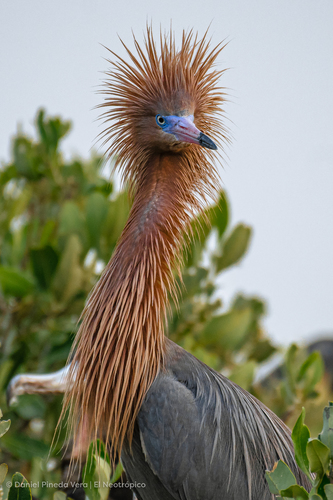 reddish egret
Em resumo
A marca de campo mais confiável entre a garça-azul e o reddish egret é o tamanho e a estrutura geral: o reddish egret é distintamente maior e mais robusto, com um bico mais longo, mais grosso, de base rosa e um estilo de alimentação mais animado e energético. Para aves imaturas e de morfo branco, a plumagem pode ser confusa—os juvenis de garça-azul são todos brancos e podem parecer superficialmente semelhantes aos reddish egrets de morfo branco, mas uma atenção cuidadosa à cor e estrutura do bico, bem como ao tamanho, os separará. Os adultos são mais fáceis: a garça-azul é azul escura com uma cabeça marrom, enquanto o reddish egret de morfo escuro tem um pescoço e cabeça avermelhados com um corpo azul-ardósia. Em voo, o tamanho e a estrutura são novamente fundamentais. O habitat e o comportamento fornecem pistas de apoio, mas são menos confiáveis do que a comparação direta de tamanho e bico.
Dicas de identificação
- O tamanho é a marca de campo mais confiável: o reddish egret é muito maior e mais robusto do que a garça-azul. Use isso sempre que tiver uma comparação direta ou uma boa noção de escala.
- Cor e forma do bico: a garça-azul tem um bico esguio e bicolor (base azul, ponta preta), enquanto o reddish egret tem um bico mais grosso e longo com uma base rosada e ponta preta (especialmente óbvio em adultos e morfos brancos).
- Confusão juvenil: os juvenis de garça-azul são todos brancos e podem ser confundidos com os reddish egrets de morfo branco. Separe pelo tamanho (a garça-azul é muito menor), cor do bico (base azulada para a garça-azul, rosa para o reddish egret) e estrutura (a garça-azul é mais delicada, com um pescoço e bico mais curtos).
- Transição imatura: os juvenis de garça-azul em muda mostram um patchwork de penas brancas e escuras—essa aparência malhada não é vista no reddish egret de qualquer idade.
- Plumagem adulta: a garça-azul adulta é uniformemente azul escura com uma cabeça marrom, nunca avermelhada ou desgrenhada. O reddish egret de morfo escuro tem uma cabeça e pescoço avermelhados e desgrenhados com um corpo azul-ardósia—nunca visto na garça-azul.
- Reddish egret de morfo branco: apenas o reddish egret aparece em um morfo adulto completamente branco; a garça-azul é apenas branca como juvenil, e então menor e com um bico diferente.
- Cor das pernas e pés: a garça-azul tem pernas esverdeadas (tornando-se pretas na época de reprodução); o reddish egret tem pernas e pés azul-pretos. Isso pode ajudar em distâncias curtas.
- Comportamento alimentar: o reddish egret é altamente ativo, frequentemente correndo, batendo as asas e sombreando a água com suas asas. A garça-azul se alimenta lentamente e de forma metódica, raramente mostrando tal comportamento animado.
- Marcas da época de reprodução: a garça-azul desenvolve lore turquesa e longas plumas elegantes; os machos do reddish egret exibem uma gola de penas na cabeça, pescoço e costas.
- Pistas de habitat: o reddish egret é mais frequentemente encontrado em mudflats abertos e habitats salinos; a garça-azul é mais provável em áreas úmidas de água doce ou mistas, mas ambos podem se sobrepor em áreas costeiras.
- Voz: se ouvido, o reddish egret emite um crocitar baixo e gutural; a garça-azul é geralmente silenciosa.
- Voo: o reddish egret parece ter um pescoço mais longo e ser mais pesado em voo, com asas mais largas; a garça-azul é mais compacta e esguia.
- Raridade regional: o reddish egret é muito menos comum e mais localizado, especialmente fora do Texas e do Caribe, enquanto a garça-azul é amplamente distribuída nas Américas.
- Aves em transição: se você ver uma ave branca com penas escuras espalhadas, é uma garça-azul em transição, não um reddish egret.
- Comprimento do bico: o bico do reddish egret é notavelmente mais longo e robusto do que o da garça-azul, especialmente visível quando as aves estão lado a lado ou em repouso.
Tamanho
O reddish egret é substancialmente maior do que a garça-azul. A garça-azul pesa em média cerca de 339,5 g [wikidata], com um comprimento de 56–74 cm e uma envergadura de 100–105 cm [wikipedia]. O reddish egret mede 68–82 cm de comprimento, com uma envergadura de 116–125 cm e uma faixa de massa de 364–870 g [wikipedia]. No campo, o reddish egret parece tanto mais alto quanto mais robusto, com um pescoço mais longo e uma construção mais pesada. Lado a lado, a garça-azul parece visivelmente menor e mais delicada.
Plumagem
- Aves juvenis/imaturas: Os juvenis de garça-azul são todos brancos, às vezes com primárias superiores ligeiramente mais escuras, e têm um bico bicolor (base azulada, ponta preta). Os reddish egrets de morfo branco também são completamente brancos, mas são muito maiores e têm um bico mais grosso, de base rosa e ponta preta. Os jovens reddish egrets (não de morfo branco) têm corpo, cabeça e pescoço acastanhados, o que não é visto na garça-azul.
- Transição/mudança de plumagem: Os juvenis de garça-azul em transição mostram um patchwork de penas brancas e escuras, enquanto os imaturos do reddish egret não mostram esse efeito malhado.
- Plumagem adulta: Os adultos de garça-azul são azul escura com uma cabeça marrom a roxa (tornando-se vermelho escuro na época de reprodução), e um bico bicolor azul e preto. Os adultos de reddish egret de morfo escuro têm um corpo azul-ardósia e uma cabeça e pescoço avermelhados e desgrenhados, com um bico rosado e ponta preta. Os adultos de reddish egret de morfo branco são completamente brancos, mas sempre maiores e estruturalmente diferentes da garça-azul. Durante a reprodução, a garça-azul desenvolve lore turquesa e longas plumas, enquanto os machos do reddish egret exibem uma gola de penas na cabeça, pescoço e costas.
Comportamento
O reddish egret é renomado por seu estilo de forrageamento altamente ativo e animado: ele corre, dança e usa suas asas para sombrear a água enquanto caça, frequentemente em mudflats abertos. A garça-azul é muito mais reservada, perseguindo a presa lentamente e deliberadamente, geralmente em águas mais tranquilas. Se você ver uma garça correndo, pulando ou batendo as asas enquanto se alimenta, é muito mais provável que seja um reddish egret.
Habitat
Ambas as espécies ocorrem em áreas úmidas costeiras e próximas à costa, mas o reddish egret está muito mais ligado a mudflats abertos e habitats salinos, especialmente na Costa do Golfo e no Caribe. A garça-azul é mais versátil, encontrada tanto em áreas úmidas de água doce quanto salinas, e geralmente é mais amplamente distribuída no interior. No entanto, ambas podem se sobrepor em áreas salobras ou costeiras, então o habitat sozinho não é diagnóstico.
Voz
O reddish egret emite um crocitar baixo e gutural, especialmente durante exibições de reprodução. A garça-azul é geralmente silenciosa e não é conhecida por vocalizações distintivas no campo. A voz raramente é útil para separação, a menos que as aves estejam vocalizando a curta distância.