

Little Blue Heron vs Reddish Egret
Egretta caerulea contro Egretta rufescens
Fai un quiz con Little Blue Heron e Reddish Egret
 Little Blue Heron
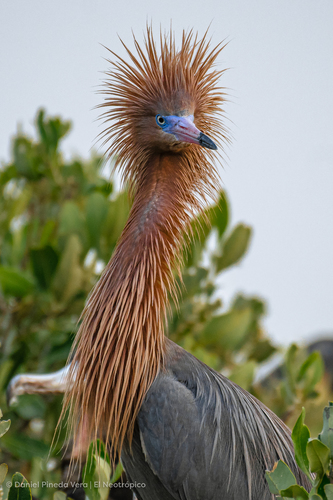 Reddish Egret
In breve
Il segno distintivo più affidabile tra Little Blue Heron e Reddish Egret è la dimensione e la struttura complessiva: Reddish Egret è decisamente più grande e massiccio, con un becco più lungo, spesso e di base rosa e uno stile di alimentazione più animato ed energico. Per gli immaturi e gli uccelli di morfologia bianca, il piumaggio può essere confuso: i giovani Little Blue Heron sono completamente bianchi e possono sembrare superficialmente simili ai Reddish Egret di morfologia bianca, ma un attento esame del colore e della struttura del becco, così come della dimensione, li separerà. Gli adulti sono più facili: Little Blue Heron è blu scuro con una testa color bordeaux, mentre il Reddish Egret di morfologia scura ha un collo e una testa rossicci con un corpo blu ardesia. In volo, la dimensione e la struttura sono di nuovo fondamentali. L'habitat e il comportamento forniscono indizi di supporto, ma sono meno affidabili rispetto al confronto diretto di dimensione e becco.
Consigli di identificazione
- La dimensione è il segno distintivo più affidabile: Reddish Egret è molto più grande e massiccio di Little Blue Heron. Usalo ogni volta che hai un confronto diretto o una buona percezione della scala.
- Colore e forma del becco: Little Blue Heron ha un becco snello e bicolore (base blu, punta nera), mentre Reddish Egret ha un becco più spesso e lungo con una base rosata e punta nera (soprattutto evidente negli adulti e nelle morfologie bianche).
- Confusione giovanile: I giovani Little Blue Heron sono completamente bianchi e possono essere scambiati per Reddish Egret di morfologia bianca. Separali per dimensione (Little Blue è molto più piccolo), colore del becco (base blu per Little Blue, rosa per Reddish Egret) e struttura (Little Blue è più delicato, con un collo e un becco più corti).
- Transizione immatura: I giovani Little Blue Heron in muta mostrano un patchwork di piume bianche e scure: questo aspetto pezzato non si vede in Reddish Egret di nessuna età.
- Piumaggio adulto: L'adulto Little Blue Heron è uniformemente blu scuro con una testa color bordeaux, mai rossiccia o arruffata. Il Reddish Egret di morfologia scura ha una testa e un collo rossicci e arruffati con un corpo blu ardesia, mai visto in Little Blue Heron.
- Reddish Egret di morfologia bianca: Solo Reddish Egret ha una morfologia adulta completamente bianca; Little Blue Heron è solo bianco da giovane, e poi più piccolo e con un becco diverso.
- Colore delle gambe e dei piedi: Little Blue Heron ha gambe verdastre (che diventano nere durante la stagione di riproduzione); Reddish Egret ha gambe e piedi bluastro-neri. Questo può aiutare a distanza ravvicinata.
- Comportamento alimentare: Reddish Egret è molto attivo, spesso corre, sbatte le ali e ombreggia l'acqua con le sue ali. Little Blue Heron si nutre lentamente e metodicamente, mostrando raramente un comportamento così animato.
- Segni della stagione di riproduzione: Little Blue Heron sviluppa lore turchesi e lunghe, eleganti piume; i maschi di Reddish Egret mostrano un collare di piume sulla testa, collo e schiena.
- Indizi di habitat: Reddish Egret si trova più spesso su fanghi aperti e habitat salini; Little Blue Heron è più probabile trovarlo in zone umide dolci o miste, ma entrambi possono sovrapporsi in aree costiere.
- Voce: Se udito, Reddish Egret emette un gracidare basso e gutturale; Little Blue Heron è generalmente silenzioso.
- Volo: Reddish Egret appare con un collo più lungo e più pesante in volo, con ali più ampie; Little Blue Heron è più compatto e snello.
- Rarità regionale: Reddish Egret è molto meno comune e più localizzato, specialmente al di fuori del Texas e dei Caraibi, mentre Little Blue Heron è diffuso nelle Americhe.
- Uccelli in transizione: Se vedi un uccello bianco con piume scure sparse, è un Little Blue Heron in transizione, non un Reddish Egret.
- Lunghezza del becco: Il becco di Reddish Egret è visibilmente più lungo e robusto di quello di Little Blue Heron, soprattutto evidente quando gli uccelli sono affiancati o a riposo.
Taglia
Reddish Egret è sostanzialmente più grande di Little Blue Heron. Little Blue Heron pesa in media circa 339,5 g [wikidata], con una lunghezza di 56–74 cm e un'apertura alare di 100–105 cm [wikipedia]. Reddish Egret è lungo 68–82 cm, con un'apertura alare di 116–125 cm e un intervallo di peso di 364–870 g [wikipedia]. Sul campo, Reddish Egret appare sia più alto che più massiccio, con un collo più lungo e una corporatura più pesante. Affiancati, Little Blue Heron appare visibilmente più piccolo e più delicato.
Piumaggio
- Uccelli giovanili/immaturi: I giovani Little Blue Heron sono completamente bianchi, a volte con primarie superiori leggermente più scure, e hanno un becco bicolore (base blu, punta nera). I Reddish Egret di morfologia bianca sono anch'essi completamente bianchi, ma sono molto più grandi e hanno un becco più spesso, di base rosa e punta nera. I giovani Reddish Egret (non di morfologia bianca) hanno un corpo, una testa e un collo marroni, che non si vedono in Little Blue Heron.
- Transizione/cambiamento di piumaggio: I giovani Little Blue Heron in transizione mostrano un patchwork di piume bianche e scure, mentre i giovani Reddish Egret non mostrano questo effetto pezzato.
- Piumaggio adulto: Gli adulti Little Blue Heron sono blu scuro con una testa che va dal bordeaux al viola (che diventa rosso scuro durante la stagione di riproduzione), e un becco bicolore blu e nero. Gli adulti Reddish Egret di morfologia scura hanno un corpo blu ardesia e una testa e un collo rossicci e arruffati, con un becco rosato e punta nera. Gli adulti Reddish Egret di morfologia bianca sono completamente bianchi, ma sempre più grandi e strutturalmente diversi da Little Blue Heron. Durante la riproduzione, Little Blue Heron sviluppa lore turchesi e lunghe piume, mentre i maschi di Reddish Egret mostrano un collare di piume sulla testa, collo e schiena.
Comportamento
Reddish Egret è rinomato per il suo stile di foraggiamento altamente attivo e animato: corre, danza e usa le sue ali per ombreggiare l'acqua mentre caccia, spesso su fanghi aperti. Little Blue Heron è molto più riservato, pedinando la preda lentamente e deliberatamente, di solito in acque più tranquille. Se vedi un airone correre, saltellare o sbattere le ali mentre si nutre, è molto più probabile che sia un Reddish Egret.
Habitat
Entrambe le specie si trovano in zone umide costiere e quasi costiere, ma Reddish Egret è molto più legato a fanghi aperti e habitat salini, specialmente nella Costa del Golfo e nei Caraibi. Little Blue Heron è più versatile, trovato sia in zone umide dolci che salate, ed è generalmente più diffuso nell'entroterra. Tuttavia, entrambi possono sovrapporsi in aree salmastre o costiere, quindi l'habitat da solo non è diagnostico.
Voce
Reddish Egret emette un gracidare basso e gutturale, soprattutto durante le esibizioni di corteggiamento. Little Blue Heron è generalmente silenzioso e non è noto per vocalizzazioni distintive sul campo. La voce è raramente utile per la separazione a meno che gli uccelli non stiano vocalizzando a distanza ravvicinata.
Little Blue Heron · Reddish Egret · I miei uccelli difficili