
bacurau-de-asa-fina vs bacurau
Chordeiles acutipennis versus Nyctidromus albicollis
Jogue um quiz com bacurau-de-asa-fina e bacurau
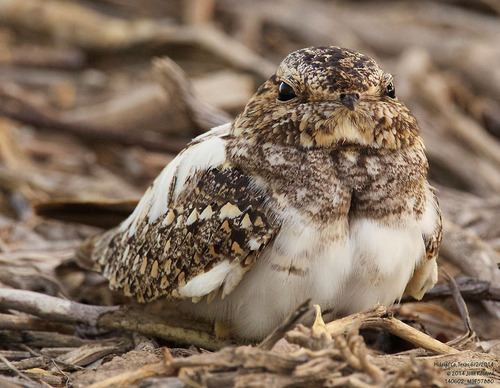 bacurau-de-asa-fina
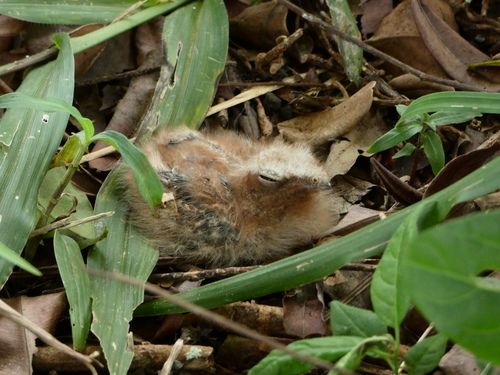 bacurau
Em resumo
A marca de campo mais confiável para separar o bacurau-de-asa-fina do bacurau é a estrutura geral e o estilo de voo: o bacurau-de-asa-fina é menor, mais esbelto, com asas longas e pontudas e uma cauda menos arredondada, enquanto o bacurau é mais robusto, com asas largas e arredondadas e uma cauda notavelmente longa e arredondada. Em voo, o bacurau-de-asa-fina parece flutuar e frequentemente voa baixo em um V raso, enquanto o bacurau é mais propenso a correr no chão ou levantar voo com asas largas e arredondadas. As diferenças de plumagem são sutis, mas importantes: o bacurau-de-asa-fina é geralmente mais amarelado e críptico, com machos exibindo uma faixa branca na cauda e ambos os sexos uma chevron branca na garganta; o bacurau apresenta uma faixa facial e um anel ocular contrastantes em tons de amarelo, e os machos têm penas brancas na cauda externa e uma faixa branca nas asas. O habitat e o comportamento também ajudam: o bacurau é mais terrestre, frequentemente visto em estradas ou correndo, enquanto o bacurau-de-asa-fina é mais aéreo. O tamanho é uma dica secundária, mas útil, com o bacurau sendo mais pesado e mais longo no geral.
Dicas de identificação
- Estrutura geral: O bacurau-de-asa-fina é menor, mais esbelto e com asas mais pontudas; o bacurau é mais robusto, com asas largas e arredondadas e uma cauda longa e arredondada. A estrutura é mais aparente em voo ou quando empoleirado em um local aberto.
- Estilo de voo: O bacurau-de-asa-fina voa baixo com planadas e flutuações leves, semelhantes a borboletas, frequentemente em uma postura de asas em V raso. O bacurau é mais propenso a levantar voo com asas largas e arredondadas ou correr no chão quando perturbado.
- Formato da cauda: A cauda do bacurau-de-asa-fina é longa, mas menos profundamente bifurcada; a cauda do bacurau é mais longa, mais arredondada, e nos machos, as penas externas são principalmente brancas (uma marca forte em boa luz).
- Padrão das asas (machos adultos): Os machos do bacurau-de-asa-fina têm uma barra branca na ponta da cauda e pontas das asas brancas; os machos do bacurau têm uma faixa branca perto das pontas das asas e penas externas da cauda principalmente brancas. As fêmeas de ambas as espécies têm marcas brancas reduzidas ou mais cremosas, mas as fêmeas do bacurau ainda mostram algum branco na cauda externa.
- Padrão facial: O bacurau tem um anel ocular e uma faixa facial amarelados distintos, com lados do rosto avermelhados; o bacurau-de-asa-fina não possui esse contraste facial, aparecendo mais uniformemente amarelado ou acinzentado.
- Marca na garganta: Ambos os sexos do bacurau-de-asa-fina apresentam uma chevron branca em forma de V na garganta, que pode ser uma marca sutil, mas útil, em repouso; a garganta do bacurau é menos distintamente marcada.
- Tom da plumagem: O bacurau-de-asa-fina é geralmente mais amarelado e críptico, misturando-se a fundos arenosos; o bacurau é mais variado, com tons acinzentados ou avermelhados e plumagem mais padronizada.
- Comportamento no chão: O bacurau é frequentemente visto descansando em estradas ou trilhas e correrá quando for perturbado; o bacurau-de-asa-fina raramente é visto correndo e é mais aéreo.
- Contexto do habitat: Se visto em deserto aberto ou arbustos áridos, o bacurau-de-asa-fina é mais provável; o bacurau prefere florestas mistas, bordas ou campos supercrescidos com alguma cobertura.
- Vocalizações: A canção do bacurau é uma chamada assobiada ou 'whip' variável, frequentemente ouvida ao crepúsculo ou à noite; a chamada do bacurau-de-asa-fina é um som trinado, menos distintivo e menos provável de ser ouvido, exceto durante a corte.
- Postura empoleirada: O bacurau frequentemente se senta longitudinalmente ao longo de um galho ou no chão, parecendo robusto; o bacurau-de-asa-fina empoleira-se mais ereto e parece mais esbelto.
- Pernas: O bacurau tem pernas relativamente longas para um nightjar e tarsos nus, às vezes visíveis ao correr; o bacurau-de-asa-fina tem pés pequenos e é menos provável que mostre suas pernas.
- Morfos de cor: O bacurau pode aparecer em tons de marrom acinzentado ou marrom avermelhado, dependendo do morfo; o bacurau-de-asa-fina é mais uniformemente amarelado ou acinzentado.
- Diferenças sexuais: Em ambas as espécies, os machos têm mais branco extenso na cauda e nas asas, mas o padrão e a extensão diferem como acima; sempre verifique a faixa branca na cauda (nighthawk) vs. penas externas brancas da cauda (pauraque).
- Contexto sazonal: Ambas as espécies são noturnas e crepusculares, mas o bacurau-de-asa-fina é mais provável de ser visto caçando insetos ao crepúsculo em áreas abertas; o bacurau é mais provável de ser encontrado em estradas à noite ou levantado de coberturas densas durante o dia.
Tamanho
O bacurau é mais pesado (massa adulta cerca de 53 g [wikidata]) e mais longo (22–28 cm [wikipedia]) do que o bacurau-de-asa-fina, que é ligeiramente menor e mais leve (massa exata não fornecida, mas descrito como menor que o bacurau-norte-americano). O bacurau parece mais robusto e robusto, enquanto o bacurau-de-asa-fina é mais esbelto e mais delicado em construção. No campo, o tamanho maior do bacurau e a cauda mais longa e arredondada são frequentemente aparentes quando os dois são vistos em contextos semelhantes.
Plumagem
- Marcas de voo juvenil/imaturo: Nenhum padrão específico de asa superior juvenil/imaturo é descrito para qualquer uma das espécies nas fontes, portanto, marcas de voo específicas por idade não são um separador primário aqui.
- Adultos: O bacurau-de-asa-fina é geralmente mais amarelado e críptico, misturando-se a fundos arenosos ou áridos. Os machos têm uma barra branca proeminente na ponta da cauda e pontas das asas brancas; as fêmeas têm uma faixa de asa mais cremosa e não possuem a faixa na cauda. Ambos os sexos apresentam uma marca branca em forma de V na garganta. O bacurau vem em dois morfos de cor (marrom acinzentado ou marrom avermelhado), com uma aparência mais variada e padronizada. O rosto é distinto: anel ocular amarelo e faixa facial contrastam com os lados avermelhados do rosto. O macho do bacurau tem uma faixa branca perto das pontas das asas e penas externas da cauda principalmente brancas; as marcas brancas da fêmea são reduzidas. A plumagem do bacurau é mais padronizada e o contraste facial é uma marca forte de campo, especialmente em repouso.
Comportamento
O bacurau-de-asa-fina é altamente aéreo, frequentemente voando baixo em relação ao chão em planadas e flutuações leves, especialmente ao caçar ao crepúsculo. Ele raramente passa tempo no chão, exceto para descansar ou nidificar. Em contraste, o bacurau é muito mais terrestre para um nightjar: frequentemente descansa em estradas ou trilhas e, quando perturbado, geralmente corre em vez de voar. O bacurau também usa poleiros baixos para capturar insetos, mas é menos provável de ser visto caçando ativamente no ar aberto em comparação com o bacurau-de-asa-fina.
Habitat
O bacurau-de-asa-fina prefere habitats abertos e áridos, como desertos e arbustos, frequentemente perto de luzes artificiais onde os insetos se reúnem. É mais provável ser visto voando em áreas abertas ao crepúsculo ou ao amanhecer. O bacurau prefere habitats mistos com cobertura densa para repouso diurno (bordas de florestas, arbustos, campos supercrescidos) e áreas abertas ou estradas para forrageamento noturno. O bacurau se adapta bem a habitats perturbados com alguma cobertura, mas evita áreas urbanizadas ou totalmente desmatadas.
Voz
Os machos do bacurau-de-asa-fina emitem uma chamada trinado durante exibições de corte aéreas, mas a descrição detalhada da canção está ausente nas fontes. Os machos do bacurau têm uma canção variável, incluindo um assobio 'weeeow wheeooo' ("who-r-you"), um suave 'puk puk' e um rápido 'whip' em voos de corte. A fêmea emite uma série de notas rápidas de 'whip'. As vocalizações do bacurau são mais variadas e distintas, especialmente a canção assobiada, que não é igualada pelo bacurau-de-asa-fina.