
Lesser Nighthawk vs Common Pauraque
Chordeiles acutipennis contro Nyctidromus albicollis
Fai un quiz con Lesser Nighthawk e Common Pauraque
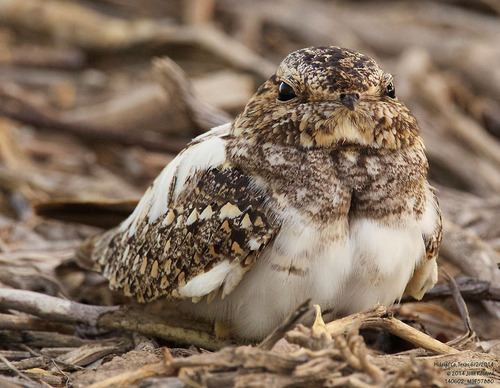 Lesser Nighthawk
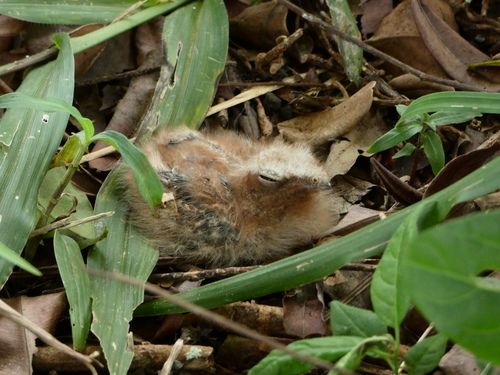 Common Pauraque
In breve
Il segno di campo più affidabile per separare il Lesser Nighthawk dal Common Pauraque è la struttura generale e lo stile di volo: il Lesser Nighthawk è più piccolo, più snello, con ali lunghe e appuntite e una coda meno arrotondata, mentre il Common Pauraque è più robusto, con ali larghe e arrotondate e una coda notevolmente lunga e arrotondata. In volo, il Lesser Nighthawk appare galleggiante e spesso vola basso in una V poco profonda, mentre il Pauraque è più propenso a correre a terra o a decollare con ali flosce e arrotondate. Le differenze nel piumaggio sono sottili ma importanti: il Lesser Nighthawk è generalmente più buffo e criptico, con i maschi che mostrano una banda bianca sulla coda e entrambi i sessi un chevron bianco sulla gola; il Pauraque mostra una striscia facciale e un anello oculare di buffo contrastante, e i maschi hanno piume esterne della coda bianche e una banda bianca sulle ali. L'habitat e il comportamento aiutano anche: il Pauraque è più terrestre, spesso visto su strade o mentre corre, mentre il Lesser Nighthawk è più aereo. La dimensione è un indizio secondario ma utile, con il Pauraque che è più pesante e più lungo nel complesso.
Consigli di identificazione
- Overall structure: Il Lesser Nighthawk è più piccolo, più snello e con ali più appuntite; il Pauraque è più robusto, con ali larghe e arrotondate e una coda lunga e arrotondata. La struttura è più evidente in volo o quando è posato in un luogo aperto.
- Flight style: Il Lesser Nighthawk vola basso con planate e fluttuazioni galleggianti, simili a quelle di una farfalla, spesso in una postura a V poco profonda. Il Pauraque è più propenso a decollare con ali flosce e arrotondate o a correre a terra quando disturbato.
- Tail shape: La coda del Lesser Nighthawk è lunga ma meno profondamente biforcuta; la coda del Pauraque è più lunga, più arrotondata e nei maschi, le piume esterne sono per lo più bianche (un segno forte in buona luce).
- Wing pattern (adult males): I maschi del Lesser Nighthawk hanno una barra bianca all'estremità della coda e punte delle ali bianche; i maschi del Pauraque hanno una banda bianca vicino alle punte delle ali e piume esterne della coda per lo più bianche. Le femmine di entrambe le specie hanno segni bianchi ridotti o più cremosi, ma le femmine del Pauraque mostrano ancora del bianco nella coda esterna.
- Facial pattern: Il Pauraque ha un distintivo anello oculare di buffo e una striscia facciale, con lati del viso rossastri; il Lesser Nighthawk non ha questo contrasto facciale, apparendo più uniformemente buffo o grigiastro.
- Throat mark: Entrambi i sessi del Lesser Nighthawk mostrano un chevron bianco a forma di V sulla gola, che può essere un segno sottile ma utile a riposo; la gola del Pauraque è meno distintamente segnata.
- Plumage tone: Il Lesser Nighthawk è generalmente più buffo e criptico, fondendosi in sfondi sabbiosi; il Pauraque è più variegato, con toni grigi o rufous e piumaggio più patternato.
- Behavior on the ground: Il Pauraque è spesso visto riposare su strade o binari e correrà quando disturbato; il Lesser Nighthawk è raramente visto correre ed è più aereo.
- Habitat context: Se visto in un deserto aperto o in un cespuglio arido, è più probabile che si tratti di un Lesser Nighthawk; il Pauraque preferisce boschi misti, margini o campi incolti con un po' di copertura.
- Vocalizations: Il canto del Pauraque è un richiamo fischiato o 'whip' variabile, spesso udito al crepuscolo o di notte; il richiamo del Lesser Nighthawk è un suono trillato, meno distintivo e meno probabile da sentire tranne durante il corteggiamento.
- Perched posture: Il Pauraque spesso si siede lungo un ramo o a terra, apparendo tozzo; il Lesser Nighthawk si posiziona più eretto e appare più snello.
- Legs: Il Pauraque ha zampe relativamente lunghe per un nightjar e tarsi nudi, a volte visibili quando corre; il Lesser Nighthawk ha piedi piccoli ed è meno probabile che mostri le sue gambe.
- Color morphs: Il Pauraque può apparire di colore grigio-marrone o rufous-marrone a seconda della morfologia; il Lesser Nighthawk è più uniformemente buffo o grigiastro.
- Sex differences: In entrambe le specie, i maschi hanno più bianco esteso nella coda e nelle ali, ma il pattern e l'estensione differiscono come sopra; controlla sempre per la banda bianca sulla coda (nighthawk) rispetto alle piume esterne bianche della coda (pauraque).
- Seasonal context: Entrambe le specie sono notturne e crepuscolari, ma il Lesser Nighthawk è più probabile da vedere mentre cattura insetti al crepuscolo in aree aperte; il Pauraque è più probabile da incontrare su strade di notte o decollare da coperture dense durante il giorno.
Taglia
Il Common Pauraque è più pesante (massa adulta circa 53 g [wikidata]) e più lungo (22–28 cm [wikipedia]) del Lesser Nighthawk, che è leggermente più piccolo e più leggero (massa esatta non fornita, ma descritto come più piccolo del Common Nighthawk). Il Pauraque appare più robusto e massiccio, mentre il Lesser Nighthawk è più snello e più delicato nella struttura. Sul campo, la dimensione maggiore del Pauraque e la sua coda più lunga e arrotondata sono spesso evidenti quando i due sono visti in contesti simili.
Piumaggio
- Juvenile/Immature flight marks: Non è descritto alcun pattern specifico di volo per i giovani/immaturi per entrambe le specie nelle fonti, quindi i segni di volo specifici per l'età non sono un separatore primario qui.
- Adults: Il Lesser Nighthawk è complessivamente più buffo e criptico, fondendosi in sfondi sabbiosi o aridi. I maschi hanno una barra bianca prominente alla fine della coda e punte delle ali bianche; le femmine hanno una banda delle ali più cremosa e mancano della striscia sulla coda. Entrambi i sessi mostrano un segno bianco a forma di V sulla gola. Il Pauraque si presenta in due morfologie di colore (grigio-marrone o rufous-marrone), con un aspetto variegato e più patternato. Il viso è distintivo: anello oculare di buffo e striscia facciale contrastano con i lati rossastri del viso. Il maschio del Pauraque ha una banda bianca vicino alle punte delle ali e piume esterne della coda per lo più bianche; i segni bianchi della femmina sono ridotti. Il piumaggio del Pauraque è più patternato e il contrasto facciale è un forte segno di campo, specialmente a riposo.
Comportamento
Il Lesser Nighthawk è altamente aereo, spesso volando basso a terra in planate e fluttuazioni galleggianti, specialmente quando caccia al crepuscolo. Raramente trascorre tempo a terra, tranne che per riposare o nidificare. Al contrario, il Common Pauraque è molto più terrestre per un nightjar: riposa frequentemente su strade o binari e, quando disturbato, spesso corre piuttosto che volare. Il Pauraque utilizza anche posatoi bassi per lanciarsi sugli insetti, ma è meno probabile vederlo attivamente cacciare in aria aperta rispetto al nighthawk.
Habitat
Il Lesser Nighthawk favorisce habitat aperti e aridi come deserti e cespugli, spesso vicino a luci artificiali dove si radunano gli insetti. È più probabile vederlo volare in aree aperte al crepuscolo o all'alba. Il Common Pauraque preferisce habitat misti con copertura densa per il riposo diurno (margini forestali, cespugli, campi incolti) e aree aperte o strade per la ricerca notturna di cibo. Il Pauraque si adatta bene a habitat disturbati con un po' di copertura, ma evita aree fortemente urbanizzate o completamente disboscate.
Voce
I maschi del Lesser Nighthawk emettono un richiamo trillato durante le esibizioni di corteggiamento aereo, ma la descrizione dettagliata del canto è mancante nelle fonti. I maschi del Common Pauraque hanno un canto variabile, che include un fischiato 'weeeow wheeooo' ("who-r-you"), un 'puk puk' morbido e un rapido 'whip' durante i voli di corteggiamento. La femmina emette una serie di note 'whip' rapide. Le vocalizzazioni del Pauraque sono più varie e distintive, specialmente il canto fischiato, che non è eguagliato dal Lesser Nighthawk.
Lesser Nighthawk · Common Pauraque · I miei uccelli difficili