

francelho vs rock kestrel
Falco naumanni versus Falco rupicolus
Jogue um quiz com francelho e rock kestrel
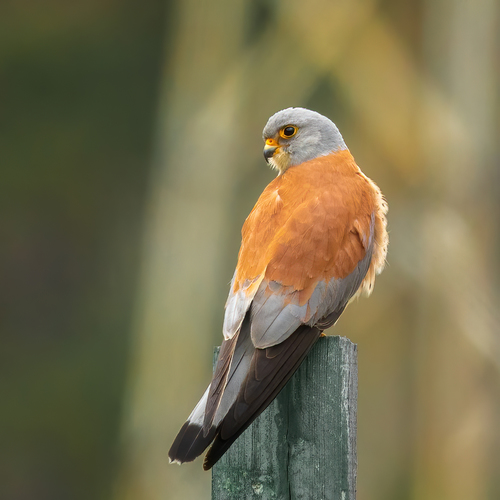 francelho
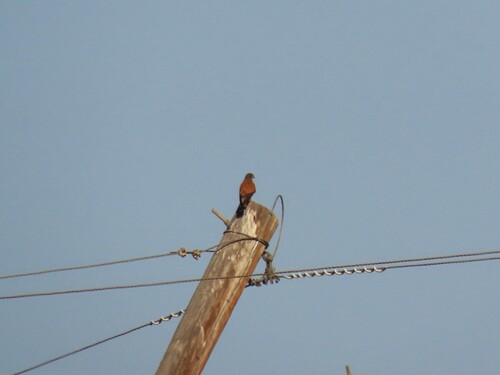 rock kestrel
Em resumo
A separação de campo mais confiável entre o francelho e o rock kestrel é o tamanho e a estrutura: o francelho é distintamente menor e mais delicado, com asas e cauda proporcionalmente mais curtas, em comparação com o maior e mais robusto rock kestrel. Os machos adultos de francelho não têm a faixa malar preta e as manchas escuras nas costas vistas em muitos outros peneireiros, e têm manchas cinzas únicas nas asas, mas as fêmeas e os imaturos de ambas as espécies são extremamente semelhantes e muitas vezes requerem atenção à estrutura sutil e ao canto. Ambas as espécies compartilham um canto áspero 'chay-chay-chay', ao contrário do peneireiro-de-dorso-malhado, e suas plumagens se sobrepõem bastante, tornando a separação em campo desafiadora, exceto em distâncias curtas ou com boas vistas de tamanho e proporções. O habitat e a distribuição podem ajudar: o francelho é um migrante na África, enquanto o rock kestrel é residente e amplamente distribuído no sul da África.
Dicas de identificação
- Tamanho e estrutura: O francelho é distintamente menor e mais delicado, com uma cauda e asas mais curtas. O rock kestrel é mais robusto e com asas mais longas. Use comparação direta se ambas as espécies estiverem presentes, ou julgue contra referências de tamanho conhecidas (por exemplo, pombos, estorninhos).
- Plumagem do macho adulto: Apenas o macho adulto de francelho é prontamente distinto, com costas marrons lisas (sem manchas escuras), cabeça e cauda cinzas, e manchas cinzas nas asas. Os machos de rock kestrel são mais listrados ou manchados nas costas e não têm as extensas manchas cinzas nas asas.
- Faixa malar: Os machos de francelho não têm a faixa malar preta típica de muitos peneireiros, incluindo o rock kestrel. Esta é uma marca sutil, mas importante, em boa luz.
- Padrão das costas: O francelho (especialmente os machos) tem costas marrons sem manchas, enquanto o rock kestrel frequentemente apresenta manchas escuras ou listras nas costas, mas isso é variável e nem sempre visível à distância.
- Plumagem de fêmeas e imaturos: Fêmeas e imaturos de ambas as espécies são extremamente semelhantes, com apenas pequenas diferenças na palidez. Não confie apenas na plumagem para essas idades/sexos.
- Garras: O francelho tem garras brancas, ao contrário das garras escuras habituais da maioria dos falcões, mas isso só é visível a uma distância muito próxima e não é útil na maioria das situações de campo.
- Proporções das asas e cauda: Em voo, o francelho apresenta asas e cauda proporcionalmente mais curtas, dando uma aparência mais compacta e ágil. O rock kestrel tem asas mais longas e é mais estável em voo.
- Jizz em voo: O francelho frequentemente parece mais leve e agitado, especialmente em bandos; o rock kestrel é mais estável, com batidas de asas mais lentas e profundas.
- Bando e pouso: O francelho é frequentemente visto em grandes bandos, especialmente em pousos comunitários ou durante a migração. O rock kestrel geralmente é solitário ou em pares.
- Comportamento de nidificação: O francelho nidifica colonialmente, frequentemente em edifícios ou penhascos; o rock kestrel prefere penhascos ou ninhos antigos de galhos e raramente usa edifícios.
- Habitat e distribuição: No sul da África, um peneireiro visto fora do inverno do norte é quase sempre um rock kestrel. O francelho é um migrante, presente principalmente no inverno, frequentemente em áreas abertas ou perto de assentamentos.
- Voz: Ambas as espécies emitem um canto áspero 'chay-chay-chay', que não as separa, mas ajuda a descartar o peneireiro-de-dorso-malhado.
- Comportamento alimentar: Ambas as espécies caçam pairando e em perches, mas o rock kestrel é mais frequentemente visto seguindo mamíferos (por exemplo, babuínos) para espantar insetos.
- Contexto sazonal: Na África, verifique a data—o francelho está presente principalmente de outubro a março; o rock kestrel é residente durante todo o ano.
- Armadilhas: Não confie apenas na plumagem para fêmeas e imaturos; estrutura, tamanho e contexto são mais confiáveis. Os machos adultos são a única classe de idade/sexo que pode ser separada com confiança pela plumagem em campo.
Tamanho
O francelho é notavelmente menor e mais leve, com uma massa corporal típica de cerca de 159g [wikidata], e um comprimento de 27–33 cm e envergadura de 63–72 cm [wikipedia]. O rock kestrel é maior e mais pesado: os machos pesam 183–254g, as fêmeas 190–280g, e o comprimento é de 30–33 cm [wikipedia]. No campo, o rock kestrel parece mais robusto e forte, enquanto o francelho parece mais delicado e compacto, com asas e cauda proporcionalmente mais curtas. Essa diferença de tamanho é frequentemente visível mesmo à distância, especialmente em bandos mistos ou quando vistos juntos.
Plumagem
Não há padrões de asas superiores juvenis ou imaturos fortemente diagnósticos descritos para nenhuma das espécies, portanto, a separação depende da plumagem sutil de adultos e da estrutura. O macho adulto de francelho é o mais distinto: tem cabeça e cauda cinzas, não tem a faixa malar preta e apresenta manchas cinzas nas asas, com um dorso que é sem manchas e marrom. Os machos de rock kestrel (e a maioria das fêmeas/imaturos de ambas as espécies) não apresentam essas características de forma distinta, e suas costas são mais propensas a serem manchadas ou listradas. Fêmeas e imaturos de francelho são apenas ligeiramente mais claros que os rock kestrels e são extremamente semelhantes; a plumagem sozinha raramente é suficiente para uma separação confiante. Nenhuma das espécies tem garras escuras— as do francelho são brancas, mas isso só é visível a uma distância muito próxima. Em resumo, apenas o macho adulto de francelho é prontamente separado pela plumagem; todas as outras idades e sexos são melhor identificados pela estrutura e contexto.
Comportamento
Ambas as espécies caçam de maneiras semelhantes, usando a caça em paradas e a caça em perches para capturar principalmente insetos, mas também pequenos vertebrados. O francelho é mais provável de ser visto em grandes pousos comunitários ou colônias, especialmente durante a migração ou no inverno, e frequentemente nidifica colonialmente em edifícios, penhascos ou árvores. O rock kestrel é mais solitário ou visto em pares, e é menos provável de nidificar em edifícios, preferindo penhascos ou antigos ninhos de galhos. Ambas as espécies podem seguir mamíferos para espantar insetos, mas isso é melhor documentado para o rock kestrel. Em voo, o francelho parece mais leve e ágil, enquanto o rock kestrel é mais estável e poderoso.
Habitat
O francelho é um migrante de longa distância, nidificando do Mediterrâneo à Mongólia e invernando na África e no Sul da Ásia. Na África, está presente principalmente durante o inverno do norte, frequentemente em áreas abertas ou perto de assentamentos humanos, e forma grandes pousos comunitários. O rock kestrel é um reprodutor residente em grande parte do sul e leste da África, favorecendo habitats abertos áridos e semiáridos, penhascos e afloramentos rochosos, mas também ocorre em pastagens abertas e savanas. No sul da África, um peneireiro visto fora do período principal de invernada é quase certamente um rock kestrel; o francelho é mais provável em bandos ou colônias durante o inverno do norte.
Voz
Ambas as espécies compartilham um canto áspero 'chay-chay-chay', especialmente quando alarmadas ou defendendo território. Isso é diferente do 'kee-kee-kee' do peneireiro-de-dorso-malhado, mas não ajuda a separar o francelho do rock kestrel. A voz não é um separador confiável entre esses dois, embora ajude a descartar o peneireiro-de-dorso-malhado.