

trinta-réis-miúdo vs trinta-réis-pequeno
Sternula antillarum versus Sternula superciliaris
Jogue um quiz com trinta-réis-miúdo e trinta-réis-pequeno
 trinta-réis-miúdo
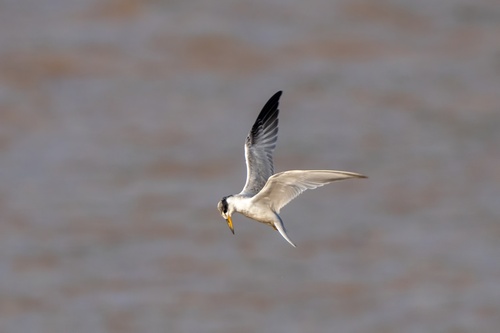 trinta-réis-pequeno
Em resumo
A maneira mais confiável de separar o trinta-réis-miúdo do trinta-réis-pequeno é pelo padrão de cor da região do rabo e da cauda: o trinta-réis-miúdo tem uma região do rabo e cauda cinza, enquanto o trinta-réis-pequeno apresenta uma região do rabo e cauda branca. Ambas as espécies são trinta-réis pequenos e pálidos com bicos amarelos e bonés pretos na plumagem de reprodução, mas diferenças sutis no padrão do bico, tom das partes superiores e mudanças sazonais no padrão da cabeça podem ajudar. Os juvenis de trinta-réis-pequeno não têm o boné preto, aparecendo marrons e brancos, enquanto os juvenis de trinta-réis-miúdo não são descritos em detalhes aqui, mas devem mostrar um padrão juvenil semelhante. A cor do bico e a extensão do boné mudam com a estação em ambas, mas o bico do trinta-réis-miúdo ganha uma ponta preta na plumagem de reprodução, que está ausente no trinta-réis-pequeno. Ambas as espécies podem se sobrepor no norte da América do Sul, mas têm áreas de distribuição principalmente distintas.
Dicas de identificação
- Cor da região do rabo e cauda: O trinta-réis-miúdo tem uma região do rabo e cauda cinza; a do trinta-réis-pequeno é branca. Esta é a marca de campo mais confiável em boa luz e é visível tanto empoleirada quanto em voo.
- Cor do bico (reprodução): O trinta-réis-miúdo apresenta um bico amarelo com uma pequena ponta preta; o bico do trinta-réis-pequeno é totalmente amarelo. Verifique a ponta preta a curta distância, especialmente em adultos em reprodução.
- Cor do bico (não reprodução): O bico do trinta-réis-miúdo torna-se escuro no inverno, enquanto o do trinta-réis-pequeno permanece amarelo durante todo o ano. Na plumagem não reprodutiva, um bico escuro indica trinta-réis-miúdo.
- Plumagem juvenil: Os juvenis de trinta-réis-pequeno são marrons e brancos e não têm o boné preto. Se você ver um trinta-réis pequeno com uma cabeça marronada e sem boné, é provável que seja um juvenil de trinta-réis-pequeno. Os juvenis de trinta-réis-miúdo não são descritos em detalhes aqui, mas é improvável que sejam tão marrons e brancos ou sem boné.
- Boné e testa (reprodução): Ambos têm um boné preto e testa branca na plumagem de reprodução. A mancha branca na testa pode ser ligeiramente maior no trinta-réis-miúdo, mas isso é sutil e variável.
- Boné e testa (não reprodução): No inverno, ambas as espécies desenvolvem uma testa branca mais extensa e um boné preto menos definido. Isso pode dificultar a separação, então confie na cor da região do rabo/cauda e do bico.
- Tom das partes superiores: O trinta-réis-miúdo é descrito como cinza mais claro acima do que o trinta-réis-pequeno, mas essa é uma diferença sutil e nem sempre confiável em campo.
- Cor das pernas: Ambas as espécies têm pernas amareladas na plumagem de reprodução; não é um separador útil.
- Estilo de voo: O trinta-réis-miúdo tem batidas de asa rápidas e abruptas e uma postura corcunda com o bico inclinado para baixo. Se você ver esse estilo de voo distinto, sugere trinta-réis-miúdo, mas o voo do trinta-réis-pequeno não é descrito como diferente.
- Padrão das asas: Ambas têm asas cinzas pálidas com primárias externas pretas. Nenhum padrão único de parte superior da asa é descrito para qualquer uma das espécies, então isso não é um separador.
- Tamanho: Ambas são quase idênticas em tamanho e massa; não use o tamanho para separá-las.
- Habitat/contexto: Na América do Norte, qualquer trinta-réis pequeno do gênero Sternula é quase certamente um trinta-réis-miúdo. Na América do Sul, verifique por ambos, mas o trinta-réis-pequeno é mais disseminado. A sobreposição é possível no norte da América do Sul.
- Voz: O trinta-réis-miúdo tem um chamado distintivo e estridente, diferente do trinta-réis-pequeno. Se você conhece o chamado, isso pode ajudar, mas o chamado do trinta-réis-pequeno não é descrito aqui.
- Contexto sazonal: Na estação não reprodutiva, o bico do trinta-réis-miúdo torna-se escuro e o boné se torna menos distinto, enquanto o trinta-réis-pequeno mantém um bico amarelo e boné preto (exceto nos juvenis). Use isso a seu favor no inverno.
- Confusão juvenil: Se você ver um jovem trinta-réis marron e branco, sem boné, é provável que seja um juvenil de trinta-réis-pequeno. Os juvenis de trinta-réis-miúdo não são descritos como sendo tão marrons ou sem boné.
Tamanho
Ambas as espécies são muito próximas em tamanho e massa, com o trinta-réis-miúdo medindo 22–24 cm de comprimento e pesando 39–52 g, e o trinta-réis-pequeno medindo 23–25 cm e pesando 40–57 g. No campo, o tamanho não é um separador confiável entre esses dois, pois qualquer diferença é negligenciável e facilmente mascarada pela postura ou distância.
Plumagem
-
Juvenis/imaturos: Os juvenis de trinta-réis-pequeno são marrons e brancos e não têm o boné preto, que é um forte contraste com os adultos. Os juvenis de trinta-réis-miúdo não são descritos em detalhes aqui, mas provavelmente mostrarão um padrão juvenil de trinta-réis mais típico com alguma escuridão na coroa e nas partes superiores, mas não tão distintamente marrons e brancos quanto os juvenis de trinta-réis-pequeno.
-
Adultos (reprodução): Ambos têm um boné preto, testa branca e bico amarelo, mas o bico do trinta-réis-miúdo tem uma ponta preta, enquanto o do trinta-réis-pequeno é totalmente amarelo. A região do rabo e cauda do trinta-réis-miúdo é cinza, enquanto a do trinta-réis-pequeno é branca. Ambos têm partes superiores cinzas pálidas e partes inferiores brancas, mas o trinta-réis-miúdo é descrito como mais claro acima do que o trinta-réis-pequeno.
-
Adultos (não reprodução): Ambas as espécies desenvolvem uma testa branca mais extensa e um boné preto menos definido no inverno. O bico do trinta-réis-miúdo torna-se escuro no inverno, enquanto o do trinta-réis-pequeno permanece amarelo.
-
Asas: Ambas têm asas prateadas ou cinzas pálidas com marcas pretas nas primárias externas, mas nenhum padrão único de parte superior da asa é descrito para qualquer uma das espécies em voo além disso.
Comportamento
Ambas as espécies caçam pairando e pegando pequenos peixes ou crustáceos de águas rasas, muitas vezes com um voo rápido e ágil. O trinta-réis-miúdo é notado por suas batidas de asa rápidas e abruptas e uma postura de voo corcunda com o bico ligeiramente inclinado para baixo. O trinta-réis-pequeno forrageia de maneira semelhante, mas nenhum estilo de voo distinto é descrito. Ambas nidificam em bancos de areia abertos ou praias, muitas vezes em colônias; o trinta-réis-pequeno é notado por sua defesa agressiva do ninho e às vezes nidifica entre outras espécies para proteção adicional.
Habitat
O trinta-réis-miúdo se reproduz na América do Norte e localmente no norte da América do Sul, favorecendo estuários rasos, lagoas e praias de areia abertas. O trinta-réis-pequeno é amplamente distribuído na América do Sul, encontrado ao longo de rios, pântanos, lagos de água doce e lagoas costeiras. A sobreposição é possível no norte da América do Sul, mas na maior parte da América do Norte apenas o trinta-réis-miúdo ocorre. Ambas as espécies nidificam em solo aberto, muitas vezes em bancos de areia ou praias de ilhas.
Voz
O trinta-réis-miúdo tem um chamado distintivo e estridente, que é diferente do trinta-réis-pequeno, embora o chamado exato do trinta-réis-pequeno não seja descrito aqui. A voz pode ser útil se você conhecer o chamado do trinta-réis-miúdo, pois diz-se que difere de seus parentes sul-americanos.
trinta-réis-miúdo · trinta-réis-pequeno · Minhas aves difíceis