

large niltava vs zappey's flycatcher
Niltava grandis versus Cyanoptila cumatilis
Jogue um quiz com large niltava e zappey's flycatcher
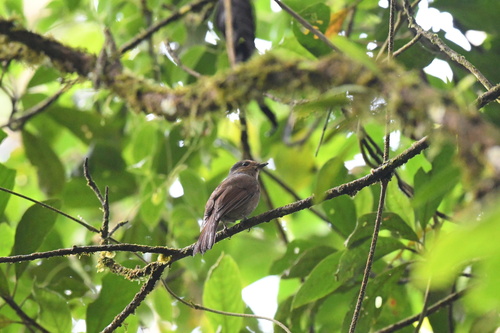 large niltava
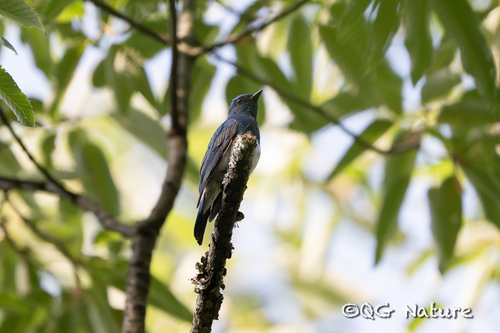 zappey's flycatcher
Em resumo
A maneira mais confiável de separar large niltava de zappey's flycatcher é pelas partes inferiores e o tom de cor geral: machos de large niltava são de um azul profundo com partes inferiores laranja ricas, enquanto machos de zappey's flycatcher apresentam um azul-turquesa mais verde acima e branco puro abaixo. Zappey's flycatchers imaturos podem ser confusos, mas suas asas e cauda azuis com cabeça acastanhada e garganta branca são diferentes de qualquer plumagem de large niltava. Large niltava é mais robusto e corpulento, enquanto zappey's flycatcher é mais esguio e ereto. Ambos podem ocorrer em regiões sobrepostas durante a migração ou inverno, então atenção cuidadosa à plumagem e estrutura é fundamental.
Dicas de identificação
- Cor das partes inferiores (machos adultos): Machos de large niltava sempre mostram partes inferiores laranja ricas, enquanto machos de zappey's flycatcher são brancos puros abaixo, com apenas uma leve lavagem cinza nas flancos. Esta é a marca de campo mais imediata e confiável.
- Tom das partes superiores (machos adultos): Large niltava é profundo, quase azul-púrpura acima; zappey's flycatcher é um azul-turquesa mais verde. Em boa luz, o tom esverdeado de zappey's é distintivo.
- Face e peito (machos adultos): Zappey's flycatcher tem uma face e peito superiores verde-escuros contrastando com o ventre branco; large niltava tem uma cabeça e partes superiores azuis mais uniformes, sem máscara preta.
- Padrão da cauda: Zappey's flycatcher frequentemente mostra duas pequenas manchas brancas na base da cauda, visíveis quando a cauda está aberta ou agitada. Large niltava não possui essas manchas brancas na cauda.
- Zappey's flycatcher imaturo: Machos jovens têm asas, rabo e cauda azuis, mas uma cabeça/manto acastanhada e garganta branca—essa combinação não é vista em large niltava de qualquer idade ou sexo.
- Separação de fêmeas: A fêmea de large niltava é acastanhada com uma cauda e asas azuladas, sem a garganta branca da fêmea de zappey's flycatcher, que é mais cinza-acastanhada no geral com uma distinta mancha branca na garganta.
- Estrutura e aparência: Large niltava é mais robusto, com uma cabeça maior e bico mais profundo; zappey's flycatcher é mais esguio, mais ereto e mais leve em construção.
- Comportamento: Large niltava pousa mais baixo e se move de forma mais deliberada; zappey's flycatcher é mais ativo, frequentemente saindo de poleiros mais altos.
- Contexto de habitat: Se visto em habitats de planície ou borda, especialmente fora da floresta montana, zappey's flycatcher é mais provável. Large niltava prefere florestas montanas densas e úmidas.
- Contexto geográfico: Na época de reprodução, large niltava é residente nos Himalaias e nas terras altas do Sudeste Asiático; zappey's flycatcher se reproduz no centro da China e migra para o sul. A sobreposição é mais provável em áreas de invernada.
- Bico e pernas: Ambos têm bicos e pernas escuros, mas o bico de large niltava é proporcionalmente mais profundo e pesado.
- Sem padrão de asa juvenil distintivo: Nenhuma das espécies é descrita como tendo um padrão de asa juvenil único, então confie na cor do corpo e na estrutura para aves jovens.
- Armadilhas: O zappey's flycatcher imaturo pode ser confundido com a fêmea de large niltava, mas o azul nas asas/cauda e a garganta branca de zappey's são fundamentais.
- Sem sinal de canto/voz: As fontes não fornecem diferenças vocais, então não confie em canto ou chamada para separação.
- Impressão de tamanho: Em comparação direta, large niltava é mais pesado e robusto; zappey's flycatcher é mais esbelto e ágil.
Tamanho
Large niltava é notavelmente mais pesado e corpulento (massa corporal cerca de 30g [wikidata]) em comparação com zappey's flycatcher, que é descrito como um grande flycatcher, mas sem uma massa precisa nas fontes. No campo, large niltava parece mais robusto e espesso, com uma cabeça proporcionalmente maior e bico mais profundo. Zappey's flycatcher é mais esguio, com uma postura de flycatcher mais ereta e uma construção mais leve no geral.
Plumagem
Idade e sexo são críticos para separar esses dois. O macho adulto de large niltava é azul profundo acima com um ventre e flancos laranja-rufos ricos, nunca mostrando partes inferiores brancas. O macho adulto de zappey's flycatcher é azul-turquesa a azul-esverdeado acima, com uma face e peito superiores verde-escuros, e partes inferiores brancas puras com uma leve lavagem cinza nas flancos. A cauda de zappey's flycatcher combina com as costas e frequentemente mostra duas pequenas manchas brancas na base, que large niltava não possui. A fêmea de large niltava é acastanhada com uma cauda e asas azuladas, enquanto a fêmea de zappey's flycatcher é cinza-acastanhada com uma garganta branca. Machos imaturos de zappey's flycatcher são intermediários: asas, rabo e cauda azuis como machos adultos, mas com uma cabeça/manto cinza-acastanhada e garganta branca, uma combinação não encontrada em large niltava. Nenhum padrão de asa juvenil ou de primeiro inverno distintivo é descrito para qualquer uma das espécies, mas a combinação de azul e marrom do imaturo zappey's é única neste par.
Comportamento
Ambas as espécies são típicas de flycatchers, mas large niltava tende a pousar mais baixo e parece mais pesado e deliberado em seus movimentos. Zappey's flycatcher é mais ativo e ereto, frequentemente saindo para pegar insetos de poleiros mais altos. Em voo, zappey's flycatcher parece mais esguio e aerodinâmico, enquanto large niltava dá uma impressão mais robusta.
Habitat
Large niltava é residente de florestas montanas subtropicais e tropicais em uma ampla faixa que vai dos Himalaias ao Sudeste Asiático. Zappey's flycatcher é migratório, se reproduzindo no centro da China e invernando mais ao sul na Península da Malásia e ilhas. Ambos podem se sobrepor em áreas de invernada, mas large niltava está mais estritamente ligado à floresta montana, enquanto zappey's flycatcher pode ser encontrado em uma gama mais ampla de habitats florestais durante a migração.