

Motmot

Kobaltblauschnäpper vs Türkisblauschnäpper

Niltava grandis gegen Cyanoptila cumatilis

Ein Quiz mit Kobaltblauschnäpper und Türkisblauschnäpper spielen
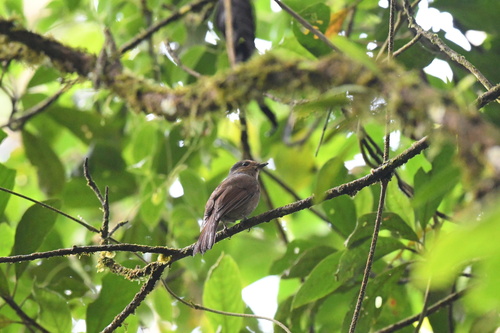
Kobaltblauschnäpper (Niltava grandis) Kobaltblauschnäpper
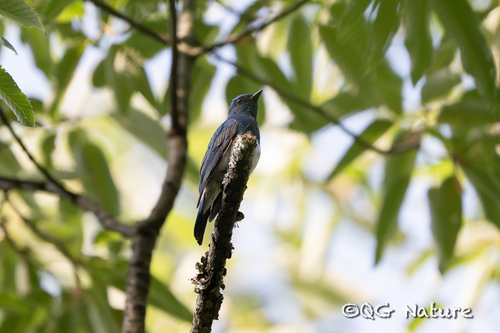
Türkisblauschnäpper (Cyanoptila cumatilis) Türkisblauschnäpper

Medien

Laden…

Kurz gesagt

The most reliable way to separate Large Niltava from Zappey's Flycatcher is by the underparts and overall color tone: Large Niltava males are deep blue with rich orange underparts, while Zappey's Flycatcher males show a greener turquoise-blue above and pure white below. Immature Zappey's Flycatchers can be confusing, but their blue wings and tail with a brownish head and white throat are unlike any Large Niltava plumage. Large Niltava is heavier-bodied and more robust, while Zappey's Flycatcher is slimmer and more upright. Both can occur in overlapping regions during migration or winter, so careful attention to plumage and structure is key.

Bestimmungstipps

  1. Underparts color (adult males): Large Niltava males always show rich orange underparts, while Zappey's Flycatcher males are pure white below with only a faint grey wash on the flanks. This is the most immediate and reliable field mark.
  2. Upperparts tone (adult males): Large Niltava is deep, almost purplish-blue above; Zappey's Flycatcher is a greener, turquoise-blue. In good light, the greenish cast of Zappey's is distinctive.
  3. Face and breast (adult males): Zappey's Flycatcher has a greenish-black face and upper breast contrasting with the white belly; Large Niltava has a more uniform blue head and upperparts, with no black mask.
  4. Tail pattern: Zappey's Flycatcher often shows two small white patches at the base of the tail, visible when the tail is spread or flicked. Large Niltava lacks these white tail patches.
  5. Immature Zappey's Flycatcher: Yearling males have blue wings, rump, and tail, but a brownish head/mantle and white throat—this combination is not seen in Large Niltava of any age or sex.
  6. Female separation: Female Large Niltava is brownish with a bluish tail and wings, lacking the white throat of female Zappey's Flycatcher, which is more grey-brown overall with a distinct white throat patch.
  7. Structure and jizz: Large Niltava is bulkier, with a bigger head and deeper bill; Zappey's Flycatcher is slimmer, more upright, and lighter in build.
  8. Behavior: Large Niltava perches lower and moves more deliberately; Zappey's Flycatcher is more active, often sallying from higher perches.
  9. Habitat context: If seen in lowland or edge habitats, especially outside montane forest, Zappey's Flycatcher is more likely. Large Niltava prefers dense, humid montane forest.
  10. Geographic context: In breeding season, Large Niltava is resident in the Himalayas and Southeast Asian highlands; Zappey's Flycatcher breeds in central China and migrates south. Overlap is most likely in wintering areas.
  11. Bill and legs: Both have dark bills and legs, but Large Niltava's bill is proportionally deeper and heavier.
  12. No distinctive juvenile wing pattern: Neither species is described as having a unique juvenile upperwing pattern, so rely on body color and structure for young birds.
  13. Pitfalls: Immature Zappey's Flycatcher can be confused with female Large Niltava, but the blue in the wings/tail and white throat of Zappey's are key.
  14. No song/voice cue: The sources do not provide vocal differences, so do not rely on song or call for separation.
  15. Size impression: In direct comparison, Large Niltava is heavier and chunkier; Zappey's Flycatcher is more svelte and agile.

Größe

Large Niltava is notably heavier and bulkier (body mass about 30g [wikidata]) compared to Zappey's Flycatcher, which is described as a large flycatcher but without a precise mass in the sources. In the field, Large Niltava appears more robust and thickset, with a proportionally larger head and deeper bill. Zappey's Flycatcher is slimmer, with a more upright flycatcher stance and a lighter build overall.

Gefieder

Age and sex are critical for separating these two. Adult male Large Niltava is deep blue above with a rich orange-rufous belly and flanks, never showing white underparts. Adult male Zappey's Flycatcher is turquoise-blue to greenish-blue above, with a greenish-black face and upper breast, and pure white underparts with a faint grey wash on the flanks. The tail of Zappey's Flycatcher matches the back and often shows two small white patches at the base, which Large Niltava lacks. Female Large Niltava is brownish with a bluish tail and wings, while female Zappey's Flycatcher is grey-brown with a white throat. Immature Zappey's Flycatcher males are intermediate: blue wings, rump, and tail like adult males, but with a grey-brown head/mantle and white throat, a combination not found in Large Niltava. No distinctive juvenile or first-winter upperwing pattern is described for either species, but the immature Zappey's combination of blue and brown is unique in this pair.

Verhalten

Both species are typical flycatchers, but Large Niltava tends to perch lower and appears heavier and more deliberate in its movements. Zappey's Flycatcher is more active and upright, often sallying for insects from higher perches. In flight, Zappey's Flycatcher looks slimmer and more streamlined, while Large Niltava gives a chunkier impression.

Lebensraum

Large Niltava is a resident of subtropical and tropical montane forests across a broad range from the Himalayas to Southeast Asia. Zappey's Flycatcher is migratory, breeding in central China and wintering further south into the Malay Peninsula and islands. Both can overlap in wintering areas, but Large Niltava is more strictly tied to montane forest, while Zappey's Flycatcher can be found in a wider range of wooded habitats during migration.

Eine bessere Beschreibung senden

Nutze dieselben Abschnitte wie der Vergleich. Dein Text ist sofort veröffentlicht.

The most reliable way to separate Large Niltava from Zappey's Flycatcher is by the underparts and overall color tone: Large Niltava males are deep blue with rich orange underparts, while Zappey's Flycatcher males show a greener turquoise-blue above and pure white below. Immature Zappey's Flycatchers can be confusing, but their blue wings and tail with a brownish head and white throat are unlike any Large Niltava plumage. Large Niltava is heavier-bodied and more robust, while Zappey's Flycatcher is slimmer and more upright. Both can occur in overlapping regions during migration or winter, so careful attention to plumage and structure is key.

  1. Underparts color (adult males): Large Niltava males always show rich orange underparts, while Zappey's Flycatcher males are pure white below with only a faint grey wash on the flanks. This is the most immediate and reliable field mark.
  2. Upperparts tone (adult males): Large Niltava is deep, almost purplish-blue above; Zappey's Flycatcher is a greener, turquoise-blue. In good light, the greenish cast of Zappey's is distinctive.
  3. Face and breast (adult males): Zappey's Flycatcher has a greenish-black face and upper breast contrasting with the white belly; Large Niltava has a more uniform blue head and upperparts, with no black mask.
  4. Tail pattern: Zappey's Flycatcher often shows two small white patches at the base of the tail, visible when the tail is spread or flicked. Large Niltava lacks these white tail patches.
  5. Immature Zappey's Flycatcher: Yearling males have blue wings, rump, and tail, but a brownish head/mantle and white throat—this combination is not seen in Large Niltava of any age or sex.
  6. Female separation: Female Large Niltava is brownish with a bluish tail and wings, lacking the white throat of female Zappey's Flycatcher, which is more grey-brown overall with a distinct white throat patch.
  7. Structure and jizz: Large Niltava is bulkier, with a bigger head and deeper bill; Zappey's Flycatcher is slimmer, more upright, and lighter in build.
  8. Behavior: Large Niltava perches lower and moves more deliberately; Zappey's Flycatcher is more active, often sallying from higher perches.
  9. Habitat context: If seen in lowland or edge habitats, especially outside montane forest, Zappey's Flycatcher is more likely. Large Niltava prefers dense, humid montane forest.
  10. Geographic context: In breeding season, Large Niltava is resident in the Himalayas and Southeast Asian highlands; Zappey's Flycatcher breeds in central China and migrates south. Overlap is most likely in wintering areas.
  11. Bill and legs: Both have dark bills and legs, but Large Niltava's bill is proportionally deeper and heavier.
  12. No distinctive juvenile wing pattern: Neither species is described as having a unique juvenile upperwing pattern, so rely on body color and structure for young birds.
  13. Pitfalls: Immature Zappey's Flycatcher can be confused with female Large Niltava, but the blue in the wings/tail and white throat of Zappey's are key.
  14. No song/voice cue: The sources do not provide vocal differences, so do not rely on song or call for separation.
  15. Size impression: In direct comparison, Large Niltava is heavier and chunkier; Zappey's Flycatcher is more svelte and agile.

Large Niltava is notably heavier and bulkier (body mass about 30g [wikidata]) compared to Zappey's Flycatcher, which is described as a large flycatcher but without a precise mass in the sources. In the field, Large Niltava appears more robust and thickset, with a proportionally larger head and deeper bill. Zappey's Flycatcher is slimmer, with a more upright flycatcher stance and a lighter build overall.

Age and sex are critical for separating these two. Adult male Large Niltava is deep blue above with a rich orange-rufous belly and flanks, never showing white underparts. Adult male Zappey's Flycatcher is turquoise-blue to greenish-blue above, with a greenish-black face and upper breast, and pure white underparts with a faint grey wash on the flanks. The tail of Zappey's Flycatcher matches the back and often shows two small white patches at the base, which Large Niltava lacks. Female Large Niltava is brownish with a bluish tail and wings, while female Zappey's Flycatcher is grey-brown with a white throat. Immature Zappey's Flycatcher males are intermediate: blue wings, rump, and tail like adult males, but with a grey-brown head/mantle and white throat, a combination not found in Large Niltava. No distinctive juvenile or first-winter upperwing pattern is described for either species, but the immature Zappey's combination of blue and brown is unique in this pair.

Both species are typical flycatchers, but Large Niltava tends to perch lower and appears heavier and more deliberate in its movements. Zappey's Flycatcher is more active and upright, often sallying for insects from higher perches. In flight, Zappey's Flycatcher looks slimmer and more streamlined, while Large Niltava gives a chunkier impression.

Large Niltava is a resident of subtropical and tropical montane forests across a broad range from the Himalayas to Southeast Asia. Zappey's Flycatcher is migratory, breeding in central China and wintering further south into the Malay Peninsula and islands. Both can overlap in wintering areas, but Large Niltava is more strictly tied to montane forest, while Zappey's Flycatcher can be found in a wider range of wooded habitats during migration.

Änderungen verwerfen?

Du hast ungespeicherte Änderungen. Wenn du jetzt gehst, gehen sie verloren.

Kobaltblauschnäpper · Türkisblauschnäpper · Meine schwierigen Vögel