

japanese thrush vs gray-backed thrush
Turdus cardis versus Turdus hortulorum
Jogue um quiz com japanese thrush e gray-backed thrush
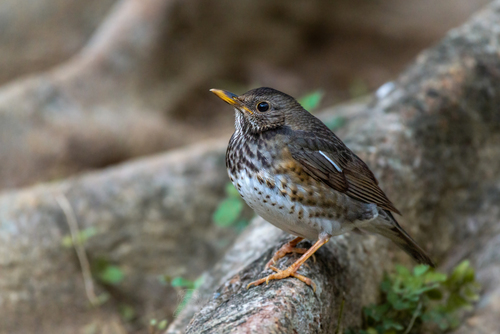 japanese thrush
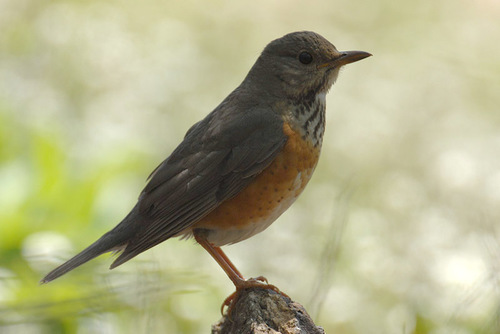 gray-backed thrush
Em resumo
A maneira mais confiável de separar o japanese thrush do gray-backed thrush é focando na plumagem dos machos: os machos do japanese thrush têm uma cabeça, costas e peito pretos impressionantes, enquanto os machos do gray-backed thrush são cinza-ardósia acima e no peito, nunca verdadeiramente pretos. As fêmeas de ambas as espécies são mais semelhantes, mas as fêmeas do japanese thrush são mais marrons acima e mostram uma coloração enferrujada nas laterais, enquanto as fêmeas do gray-backed thrush são mais cinzentas ou marrons acima com laterais alaranjadas-rúfidas. Ambas as espécies são sexualmente dimórficas e de tamanho médio, mas a combinação da cor da cabeça e das partes superiores, juntamente com a coloração das laterais e as manchas, são as melhores dicas de campo. Não há padrões de asas ou de voo distintivos descritos para imaturos, então foque nas vistas empoleiradas e nos contrastes de cor geral.
Dicas de identificação
- Cor da cabeça e partes superiores dos machos: Os machos do japanese thrush têm uma cabeça, costas e peito pretos profundos, enquanto os machos do gray-backed thrush são cinza-ardósia acima e no peito. Esta é a marca mais confiável em machos adultos.
- Partes superiores das fêmeas: As fêmeas do japanese thrush são marrons acima, enquanto as fêmeas do gray-backed thrush são mais cinzentas ou marrons, muitas vezes com um tom mais frio. Use esta marca com cautela, pois a iluminação pode afetar a cor percebida.
- Cor das laterais: Ambas as espécies mostram laterais rúfidas ou enferrujadas, mas no japanese thrush a coloração enferrujada é mais limitada e sobreposta a um ventre branco, enquanto no gray-backed thrush o alaranjado-rúfido é mais extenso e colocado contra um ventre mais claro (não puro branco).
- Manchas nas partes inferiores: Os japanese thrushes de ambos os sexos mostram manchas escuras no ventre superior e nas laterais (machos) ou no peito e nas laterais (fêmeas). Os gray-backed thrushes têm manchas escuras no peito (fêmeas), mas o padrão é menos ousado e o fundo é mais claro.
- Garganta e ventre: Os japanese thrushes têm uma garganta e um ventre brancos limpos, especialmente nos machos. Os gray-backed thrushes têm um queixo e ventre esbranquiçados, mas o contraste é menos acentuado.
- Cor do bico e das pernas: Os japanese thrushes têm pernas amarelas, bico e um fino anel ocular amarelo, que pode ser uma marca de apoio útil em boa luz. Os gray-backed thrushes podem ter partes nuas mais opacas (não enfatizadas nas fontes).
- Dimorfismo sexual: Ambas as espécies são sexualmente dimórficas, então sempre considere o sexo ao comparar a plumagem. As fêmeas do gray-backed thrush podem ser especialmente semelhantes às fêmeas do japanese thrush; foque no tom das partes superiores e no contraste das partes inferiores.
- Sem padrão de asa/voo distintivo: Não há descritas marcas de asa ou de voo específicas para idade para nenhuma das espécies, então não confie em vistas de voo para separação.
- Tamanho e estrutura: Ambas são thrushes de tamanho médio do gênero Turdus com proporções semelhantes. Tamanho e jizz não são confiáveis para separação.
- Habitat e distribuição: Se você está observando aves fora do Japão ou no Extremo Oriente Russo, o gray-backed thrush é mais provável; no Japão, o japanese thrush é esperado. No entanto, ambos podem ocorrer como migrantes ou invernantes na China, então sempre verifique a plumagem primeiro.
- Aves juvenis/imaturas: Nenhuma marca juvenil ou imatura distintiva é descrita para nenhuma das espécies, então use características semelhantes às dos adultos à medida que se desenvolvem.
- Armadilhas de iluminação: Condições nubladas ou sombreadas podem fazer com que o preto pareça cinza ou o marrom pareça acinzentado, então sempre tente obter múltiplas vistas.
- Empoleiradas vs. em voo: Como não há marcas específicas de voo, priorize vistas empoleiradas para identificação.
- Manchas e cor das laterais juntas: A combinação de manchas pretas ousadas e laterais enferrujadas em um ventre branco (japanese thrush) vs. manchas menos ousadas e laterais alaranjadas-rúfidas mais extensas em um ventre mais claro (gray-backed thrush) é uma verificação útil de duas características.
- Consulte a abundância local: Em algumas regiões, uma espécie pode ser muito mais comum do que a outra, o que pode ajudar a restringir indivíduos difíceis, mas sempre confirme com a plumagem.
Tamanho
Ambas as espécies são thrushes de tamanho médio e muito semelhantes em estrutura e massa geral. O gray-backed thrush tem uma massa corporal média de cerca de 65 g, o que é típico para um thrush do gênero Turdus; nenhuma massa é dada para o japanese thrush, mas é descrito como de tamanho médio e comparável. Os comprimentos são quase idênticos (gray-backed thrush: 20–23 cm). No campo, o tamanho sozinho não é um separador confiável entre esses dois.
Plumagem
Não há diferenças de padrão de asa ou de voo específicas para idade descritas para nenhuma das espécies, então foque na plumagem do corpo.
- Machos adultos: Os machos do japanese thrush são pretos na cabeça, costas, peito, asas e cauda, com um lado inferior branco e manchas pretas no ventre superior e nas laterais. Os machos do gray-backed thrush têm partes superiores cinza-ardósia e peito (nunca verdadeiramente pretos), um queixo e ventre esbranquiçados, e laterais alaranjadas-rúfidas.
- Fêmeas adultas: As fêmeas do japanese thrush são marrons acima, com uma garganta, peito e ventre brancos, coloração alaranjada enferrujada nas laterais e manchas pretas. As fêmeas do gray-backed thrush são mais cinzentas ou marrons acima, com manchas escuras no peito e laterais alaranjadas-rúfidas (o rúfido é semelhante em ambas, mas a cor de fundo é mais cinzenta no gray-backed thrush).
- Ambos os sexos: Ambas as espécies mostram algumas manchas nas partes inferiores, mas o padrão e a cor de fundo diferem. O japanese thrush tende a ter um ventre e garganta brancos mais contrastantes e limpos, enquanto o gray-backed thrush é mais claro, mas menos branquíssimo.
- Partes nuas: Os japanese thrushes têm pernas amarelas, bico e um fino anel ocular amarelo; essas características são menos enfatizadas para o gray-backed thrush.
Comportamento
Nenhuma diferença comportamental é descrita entre essas duas espécies nas fontes. Ambas são thrushes típicos do gênero Turdus, propensas a forragear no chão ou em vegetação baixa e a empoleirar-se eretas. O comportamento não é um separador confiável.
Habitat
Ambas as espécies habitam habitats florestais ou arborizados, mas suas áreas de reprodução e invernada diferem. O japanese thrush está principalmente associado ao Japão e partes da China, enquanto o gray-backed thrush se reproduz no nordeste da China, no Extremo Oriente Russo e na Coreia do Norte, invernando no sul da China e no norte do Vietnã. Em áreas de sobreposição (por exemplo, migração ou inverno), o habitat sozinho não os separará, mas o contexto pode ajudar se você conhecer o status local.