

Japanese Thrush vs Gray-backed Thrush
Turdus cardis contro Turdus hortulorum
Fai un quiz con Japanese Thrush e Gray-backed Thrush
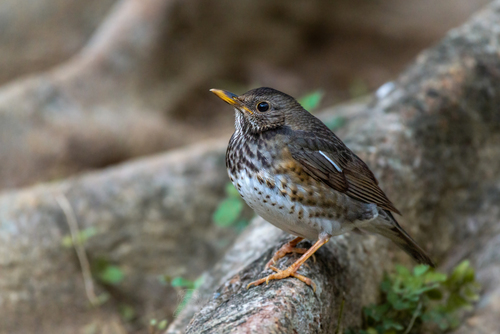 Japanese Thrush
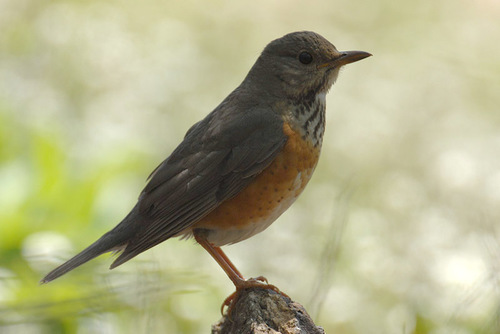 Gray-backed Thrush
In breve
Il modo più affidabile per separare il Tordo Giapponese dal Tordo Grigio è concentrarsi sulla livrea maschile: i maschi di Tordo Giapponese hanno una testa, un dorso e un petto neri e brillanti, mentre i maschi di Tordo Grigio sono grigio ardesia sopra e sul petto, mai veramente neri. Le femmine di entrambe le specie sono più simili, ma le femmine di Tordo Giapponese sono più marroni sopra e mostrano una sfumatura ruggine sui fianchi, mentre le femmine di Tordo Grigio sono più grigie o marroni sopra con fianchi ruggine-arancioni. Entrambe le specie sono sessualmente dimorfiche e di taglia media, ma la combinazione del colore della testa e delle parti superiori, insieme alla colorazione dei fianchi e alla maculatura, sono i migliori indizi sul campo. Non ci sono schemi distintivi di ali o di volo descritti per gli immaturi, quindi concentrati sulle viste in percheggio e sui contrasti di colore complessivi.
Consigli di identificazione
- Colore della testa e delle parti superiori maschili: I maschi di Tordo Giapponese hanno una testa, un dorso e un petto neri profondi, mentre i maschi di Tordo Grigio sono grigio ardesia sopra e sul petto. Questo è il segno più affidabile nei maschi adulti.
- Parti superiori femminili: Le femmine di Tordo Giapponese sono marroni sopra, mentre le femmine di Tordo Grigio sono più grigie o marroni, spesso con una tonalità più fredda. Usa questo segno con cautela, poiché l'illuminazione può influenzare il colore percepito.
- Colore dei fianchi: Entrambe le specie mostrano fianchi ruggine o rugginosi, ma nel Tordo Giapponese la sfumatura ruggine è più limitata e sovrapposta a un ventre bianco, mentre nel Tordo Grigio il ruggine-arancione è più esteso e impostato su un ventre più chiaro (non bianco puro).
- Maculatura delle parti inferiori: I Tordi Giapponesi di entrambi i sessi mostrano macchie nerastre sul ventre superiore e sui fianchi (maschi) o sul petto e sui fianchi (femmine). I Tordi Grigi hanno macchie scure sul petto (femmine), ma il motivo è meno audace e lo sfondo è più chiaro.
- Gola e ventre: I Tordi Giapponesi hanno una gola e un ventre bianchi puliti, specialmente nei maschi. I Tordi Grigi hanno un mento e un ventre biancastri, ma il contrasto è meno netto.
- Colore del becco e delle gambe: I Tordi Giapponesi hanno gambe gialle, becco e un sottile anello oculare giallo, che può essere un segno di supporto utile in buona luce. I Tordi Grigi possono avere parti nude più opache (non enfatizzate nelle fonti).
- Dimorfismo sessuale: Entrambe le specie sono sessualmente dimorfiche, quindi considera sempre il sesso quando confronti la livrea. Le femmine di Tordo Grigio possono essere particolarmente simili alle femmine di Tordo Giapponese; concentrati sulla tonalità delle parti superiori e sul contrasto delle parti inferiori.
- Nessuno schema distintivo di ali/volo: Non ci sono segni specifici per età descritti per nessuna delle due specie, quindi non fare affidamento sulle viste in volo per la separazione.
- Dimensione e struttura: Entrambi sono Tordi di taglia media con proporzioni simili. La dimensione e il jizz non sono affidabili per la separazione.
- Habitat e distribuzione: Se stai osservando uccelli al di fuori del Giappone o nel lontano oriente russo, è più probabile che tu incontri il Tordo Grigio; in Giappone, ci si aspetta il Tordo Giapponese. Tuttavia, entrambi possono verificarsi come migratori o invernatori in Cina, quindi controlla sempre prima la livrea.
- Uccelli giovanili/immaturi: Non ci sono segni distintivi giovanili o immaturi descritti per nessuna delle due specie, quindi usa caratteristiche simili agli adulti mentre si sviluppano.
- Trappole di illuminazione: Condizioni nuvolose o in ombra possono far apparire il nero grigio o il marrone grigio, quindi cerca sempre di ottenere più viste.
- In percheggio vs. in volo: Poiché non ci sono segni specifici per il volo, dai priorità alle viste in percheggio per l'identificazione.
- Maculatura e colore dei fianchi insieme: La combinazione di maculatura nera audace e fianchi rugginosi su un ventre bianco (Tordo Giapponese) rispetto a maculatura meno audace e fianchi ruggine-arancioni più estesi su un ventre più chiaro (Tordo Grigio) è un utile controllo a due caratteristiche.
- Consulta l'abbondanza locale: In alcune regioni, una specie può essere molto più comune dell'altra, il che può aiutare a restringere individui difficili, ma conferma sempre con la livrea.
Taglia
Entrambe le specie sono tordi di taglia media e molto simili nella struttura e nella massa complessiva. Il Tordo Grigio pesa in media circa 65 g, che è tipico per un tordo del genere Turdus; non è fornito alcun peso per il Tordo Giapponese, ma è descritto come di taglia media e comparabile. Le lunghezze sono quasi identiche (Tordo Grigio: 20–23 cm). Sul campo, la dimensione da sola non è un separatore affidabile tra questi due.
Piumaggio
Non ci sono differenze specifiche per età nei modelli di ali o di volo descritti per nessuna delle due specie, quindi concentrati sulla livrea del corpo.
- Maschi adulti: I maschi di Tordo Giapponese sono neri sulla testa, sul dorso, sul petto, sulle ali e sulla coda, con un ventre bianco e macchie nere sul ventre superiore e sui fianchi. I maschi di Tordo Grigio hanno parti superiori e petto grigio ardesia (mai veramente neri), un mento e un ventre biancastri e fianchi ruggine-arancioni.
- Femmine adulte: Le femmine di Tordo Giapponese sono marroni sopra, con una gola, un petto e un ventre bianchi, una sfumatura ruggine-arancione sui fianchi e macchie nere. Le femmine di Tordo Grigio sono più grigie o marroni sopra, con macchie scure sul petto e fianchi ruggine-arancioni (il ruggine è simile in entrambe, ma il colore di sfondo è più grigio nel Tordo Grigio).
- Entrambi i sessi: Entrambe le specie mostrano alcune macchie sulle parti inferiori, ma il motivo e il colore di sfondo differiscono. Il Tordo Giapponese tende ad avere un ventre e una gola bianchi più contrastanti e puliti, mentre il Tordo Grigio è più chiaro ma meno nettamente bianco.
- Parti nude: I Tordi Giapponesi hanno gambe gialle, becco e un sottile anello oculare giallo; queste caratteristiche sono meno enfatizzate per il Tordo Grigio.
Comportamento
Non ci sono differenze comportamentali descritte tra queste due specie nelle fonti. Entrambi sono tordi tipici del genere Turdus, probabilmente a foraggiare a terra o in vegetazione bassa e a posarsi in posizione eretta. Il comportamento non è un separatore affidabile.
Habitat
Entrambe le specie abitano habitat boschivi o forestali, ma le loro aree di nidificazione e svernamento differiscono. Il Tordo Giapponese è principalmente associato al Giappone e a parti della Cina, mentre il Tordo Grigio nidifica nel nord-est della Cina, nel lontano oriente russo e in Corea del Nord, svernando nel sud della Cina e nel nord del Vietnam. Nelle aree di sovrapposizione (ad es., migrazione o inverno), l'habitat da solo non li separerà, ma il contesto può aiutare se conosci lo stato locale.
Japanese Thrush · Gray-backed Thrush · I miei uccelli difficili