

himalayan prinia vs hill prinia
Prinia crinigera versus Prinia superciliaris
Jogue um quiz com himalayan prinia e hill prinia
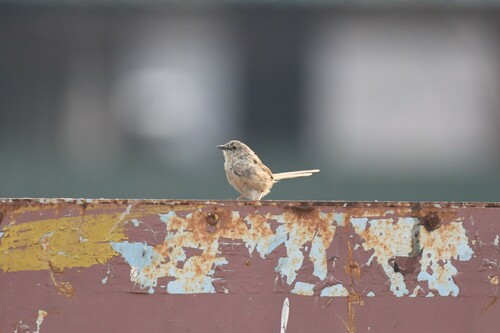 himalayan prinia
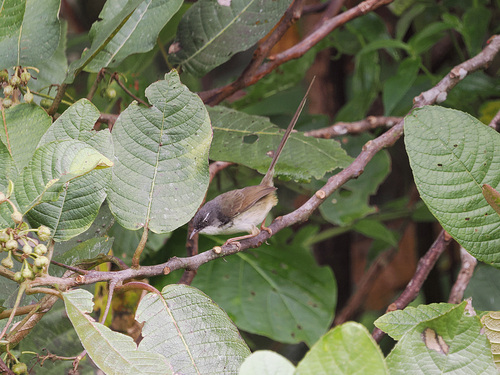 hill prinia
Em resumo
A marca de campo mais confiável entre himalayan prinia e hill prinia é a forte variação sazonal e sexual em himalayan prinia, especialmente a cauda escura e de tons frios e a coroa e o rosto negro do macho em época de reprodução. Na plumagem não reprodutiva, himalayan prinia apresenta listras claras nas partes superiores e manchas no rosto e no peito, enquanto hill prinia não possui essas características. A estrutura e a aparência geral são semelhantes, mas himalayan prinia tende a parecer mais fria e escura no geral, especialmente na cauda. Ambas as espécies se sobrepõem em partes de suas áreas de distribuição, portanto, atenção cuidadosa aos detalhes da plumagem—especialmente em machos em reprodução e aves não reprodutivas—é essencial.
Dicas de identificação
- Cor e estrutura da cauda: Himalayan prinia tem uma cauda longa e larga com uma coloração escura de tons frios. Esta é frequentemente a marca de campo mais óbvia, especialmente quando a ave está empoleirada ou balançando a cauda. A cauda de hill prinia é menos larga e tipicamente de tons mais quentes.
- Dimorfismo sazonal e sexual (himalayan prinia): Na época de reprodução, os machos apresentam uma coroa e rosto negros, com manchas escuras nos lados do peito. As fêmeas são mais pálidas e menos listradas, mas ainda de tons mais frios do que hill prinia. Hill prinia não apresenta uma variação sazonal ou sexual tão forte.
- Plumagem não reprodutiva (himalayan prinia): Ambos os sexos apresentam partes superiores listradas e rosto/peito manchado, que estão ausentes em hill prinia. Procure por essas marcas no outono e inverno.
- Cor do bico: O macho em reprodução de himalayan prinia tem um bico negro, enquanto as fêmeas em reprodução têm um bico rosa pálido, mais escuro na ponta e na mandíbula inferior. A cor do bico é menos útil para hill prinia, pois nenhuma mudança sazonal distintiva é descrita.
- Coloração geral: Himalayan prinia é geralmente mais fria e escura, especialmente na cauda e na cabeça. Hill prinia deve ser mais quente e uniforme em tom.
- Padrão da coroa e do rosto: Apenas os machos em reprodução de himalayan prinia têm uma coroa e rosto negros. Se você ver isso, hill prinia pode ser descartada.
- Listras nas partes superiores: Manto e coroa listrados (especialmente em himalayan prinia não reprodutiva) são boas marcas. Hill prinia não possui essas listras.
- Padrão do peito: Manchas nos lados do peito são uma característica de himalayan prinia, especialmente em machos não reprodutivos e reprodutivos. Hill prinia é mais uniforme na parte inferior.
- Contexto geográfico: Se você estiver na região central do Himalaia, especialmente no Afeganistão, Paquistão, Nepal, Butão ou norte da Índia, himalayan prinia é mais provável. No Sudeste Asiático, hill prinia é mais provável. Em Yunnan e áreas adjacentes, ambas podem ocorrer—use marcas de plumagem.
- Variação de subespécies (himalayan prinia): Algumas subespécies (por exemplo, P. c. striatula) são mais pálidas, mas ainda mostram a cauda fria e listras. Tenha cuidado com aves muito pálidas na faixa ocidental.
- Sexagem de himalayan prinia: Se você ver duas aves juntas e uma for maior, mais escura e mais listrada, é provável que seja o macho. Hill prinia não apresenta um dimorfismo sexual tão forte.
- Sem padrão de voo ou asa distintivo: Nenhuma das espécies tem uma marca de asa ou voo única descrita, então concentre-se em aves empoleiradas e forrageando.
- Sobreposição de habitat: Ambas as espécies podem ocorrer em habitats semelhantes em zonas de sobreposição, então não confie apenas no habitat para identificação.
- Voz: Nenhuma diferença vocal é descrita nas fontes; não use canto ou chamada para separação com base nas informações atuais.
- Cuidado com a confusão com striped prinia (P. striata): Himalayan prinia foi anteriormente agrupada com striped prinia; se você estiver na China ou em Taiwan, verifique a taxonomia e a distribuição atuais.
Tamanho
Comparações diretas de tamanho não estão disponíveis nas fontes, mas ambas as espécies são prinias típicas em estrutura geral. Himalayan prinia pode parecer ligeiramente mais robusta e com cauda mais longa, com uma cauda mais larga, mas isso é sutil e nem sempre confiável em campo. O dimorfismo sexual em tamanho está presente em himalayan prinia, com machos maiores que fêmeas, mas isso é difícil de julgar sem comparação lado a lado.
Plumagem
- Juvenil/imatura/primeiro inverno: Nenhuma diferença de padrão de asa ou voo específica para a idade é descrita para qualquer uma das espécies nas fontes. O foco deve ser na coloração geral e listras.
- Não reprodutiva (ambos os sexos, himalayan prinia): Apresenta listras distintas nas partes superiores e manchas no rosto e no peito. A cauda é longa, larga e escura de tons frios, que se destaca contra os tons tipicamente mais quentes de hill prinia.
- Macho em reprodução (himalayan prinia): Coroa negra impressionante (mais clara nas bordas), rosto negro e lados do peito escuros e manchados. O manto é listrado, embora menos do que a coroa. O bico é negro. As fêmeas em reprodução são mais pálidas, com menos listras e um bico rosado.
- Hill prinia: Nenhuma descrição detalhada da plumagem é fornecida nas fontes, mas falta a forte listragem, coroa/rosto negros e cauda escura de tons frios de himalayan prinia. Espere uma aparência mais uniforme e de tons mais quentes, com menos contraste e menos dimorfismo sexual/sazonal pronunciado.
Comportamento
Nenhuma diferença comportamental diagnóstica é descrita nas fontes. Ambas as espécies são prinias típicas, provavelmente vistas forrageando em vegetação baixa, balançando suas caudas e se movendo ativamente. O voo e a aparência geral de forrageio não são descritos como distintivos entre as duas.
Habitat
Ambas as espécies ocorrem em regiões sobrepostas nos Himalaias e áreas adjacentes, mas himalayan prinia está mais fortemente associada ao cinturão do Himalaia (Afeganistão, Paquistão, Índia, Nepal, Butão, Yunnan na China), enquanto hill prinia tem uma faixa mais ampla que se estende ao Sudeste Asiático (China, Índia, Indonésia, Laos, Malásia, Mianmar, Tailândia, Vietnã). Em áreas de sobreposição (por exemplo, Yunnan), atenção cuidadosa à plumagem é necessária. As preferências de habitat não são detalhadas nas fontes, mas ambas são provavelmente encontradas em habitats de arbustos, pastagens ou bordas.