

trinta-réis-de-bico-preto vs garajau-grande
Gelochelidon nilotica versus Hydroprogne caspia
Jogue um quiz com trinta-réis-de-bico-preto e garajau-grande
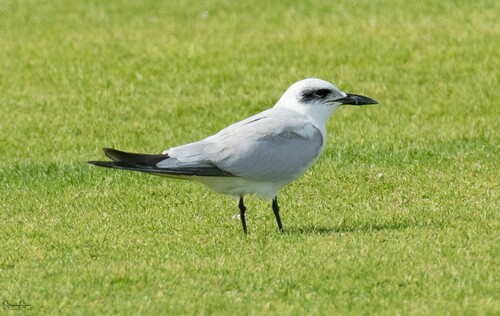 trinta-réis-de-bico-preto
 garajau-grande
Em resumo
A marca de campo mais confiável entre o trinta-réis-de-bico-preto e o garajau-grande é o bico: o trinta-réis-de-bico-preto tem um bico curto, grosso, preto e semelhante ao de uma gaivota, enquanto o bico do garajau-grande é muito mais longo, pesado e de um laranja-vermelho brilhante com uma ponta escura. O garajau-grande também é muito maior em geral, com uma envergadura mais longa e ampla e uma constituição mais robusta. Em voo, o garajau-grande exibe penas primárias escuras na parte inferior da asa e uma cauda menos bifurcada, enquanto o trinta-réis-de-bico-preto tem asas largas, mas carece do forte contraste na parte inferior da asa do garajau-grande. As plumagens de verão dos adultos mostram ambas uma touca preta, mas a cor e o tamanho do bico são as separações mais rápidas. As plumagens de inverno e juvenil podem ser confusas, mas a forma e o tamanho do bico permanecem confiáveis, especialmente à distância.
Dicas de identificação
- Cor e forma do bico: O trinta-réis-de-bico-preto tem um bico curto, grosso e preto com uma ponta arredondada, sempre escuro em todas as idades e estações. O bico do garajau-grande é longo, grosso e de um laranja-vermelho brilhante com uma ponta escura; esta é a marca de campo mais confiável a qualquer distância.
- Tamanho e estrutura: O garajau-grande é muito maior e mais pesado, com uma envergadura mais longa e uma constituição mais robusta e poderosa. O trinta-réis-de-bico-preto é apenas ligeiramente maior que um trinta-réis-de-bando, com um corpo mais compacto e robusto.
- Padrão das asas em voo: O garajau-grande exibe penas primárias escuras na parte inferior da asa, visíveis especialmente em voo. O trinta-réis-de-bico-preto carece desse forte contraste na parte inferior da asa; suas asas são largas, mas uniformemente pálidas acima e abaixo.
- Forma da cauda: A cauda do garajau-grande é menos bifurcada do que a maioria dos trinta-réis, aparecendo quase quadrada em voo. A forma da cauda do trinta-réis-de-bico-preto não é fortemente diagnóstica nestas notas, mas não é tão quadrada quanto a do garajau-grande.
- Padrão da touca no inverno: Na plumagem não reprodutiva, o trinta-réis-de-bico-preto perde a touca preta completa e exibe uma mancha escura ao redor do olho (máscara), enquanto o garajau-grande mantém uma touca preta com listras brancas na testa. Isso pode ajudar em distâncias curtas.
- Cor das pernas: Ambos têm pernas pretas, então isso não é útil para separação.
- Confusão juvenil: O juvenil do trinta-réis-de-bico-preto pode parecer semelhante ao juvenil do trinta-réis-de-bando, mas não ao garajau-grande devido à cor e ao tamanho do bico. Os juvenis do garajau-grande não são descritos em detalhes aqui, mas seu tamanho e bico permanecem distintos.
- Comportamento alimentar: O trinta-réis-de-bico-preto frequentemente caça insetos sobre campos e pântanos, raramente mergulhando. O garajau-grande é mais propenso a ser visto mergulhando por peixes em águas abertas.
- Postura em repouso: O bico e a cabeça massivos do garajau-grande são impressionantes quando empoleirados, ofuscando o trinta-réis-de-bico-preto mais compacto.
- Contexto de habitat: O trinta-réis-de-bico-preto pode ser encontrado caçando longe da água, sobre campos ou até mesmo estradas; o garajau-grande está quase sempre próximo a grandes corpos d'água.
- Vocalização: O chamado do trinta-réis-de-bico-preto é um agudo "ker-wik"; o do garajau-grande é um chamado alto e crocante. Se ouvido bem, isso é um forte separador.
- Contexto sazonal: Na América do Norte, o trinta-réis-de-bico-preto é raro e local, especialmente no interior, enquanto o garajau-grande é mais difundido em grandes corpos d'água. Na Eurásia, verifique cuidadosamente o habitat e o bico.
- Armadilhas: À longa distância, ambos podem parecer pálidos com toucas pretas, mas a cor e o tamanho do bico são visíveis mesmo a distâncias moderadas. Evite confiar apenas na cor da touca ou das pernas.
- Em colônias mistas: Se vistos juntos, o garajau-grande se destacará sobre o trinta-réis-de-bico-preto e mostrará um bico muito mais longo e avermelhado.
- Estilo de voo: O voo do garajau-grande é pesado e direto; o trinta-réis-de-bico-preto é mais leve e ágil, especialmente ao forragear sobre a terra.
Tamanho
O garajau-grande é dramaticamente maior: os adultos pesam cerca de 634 g [wikidata], com um comprimento de 48–60 cm e uma envergadura de 127–145 cm [wikipedia]. O trinta-réis-de-bico-preto é muito mais leve (150–292 g), mais curto (33–42 cm) e tem uma envergadura de 76–91 cm [wikipedia]. No campo, o garajau-grande parece mais robusto, com uma cabeça e um bico massivos, enquanto o trinta-réis-de-bico-preto é apenas ligeiramente maior que a maioria dos trinta-réis médios e parece mais compacto.
Plumagem
- Plumagem juvenil/imatura: Nenhum padrão de asa juvenil detalhado é descrito para nenhuma das espécies nestas notas, mas ambos perdem a touca preta no inverno. Os juvenis do trinta-réis-de-bico-preto e os adultos de inverno mostram uma máscara escura fraca ao redor do olho, enquanto o garajau-grande mantém uma touca preta, mas com listras brancas na testa no inverno.
- Plumagem de reprodução adulta: Ambos têm toucas pretas, partes inferiores brancas e asas superiores cinza pálido. O bico do trinta-réis-de-bico-preto é preto, curto e grosso; o do garajau-grande é longo, grosso e laranja-vermelho com uma ponta escura. As partes inferiores do garajau-grande mostram primárias escuras, especialmente em voo, enquanto as asas do trinta-réis-de-bico-preto são largas, mas carecem desse forte contraste.
- Cauda: A cauda do garajau-grande é menos bifurcada do que a maioria dos trinta-réis, mas a forma da cauda do trinta-réis-de-bico-preto não é descrita como diagnóstica aqui.
- Pernas: Ambos têm pernas pretas, não sendo um separador útil.
Comportamento
O trinta-réis-de-bico-preto frequentemente se alimenta caçando insetos sobre campos, pântanos e até mesmo áreas arbustivas, raramente mergulhando por peixes. O garajau-grande é mais típico de grandes trinta-réis, frequentemente mergulhando por peixes sobre a água. Em voo, o garajau-grande parece pesado e poderoso, com batidas de asa profundas e constantes e uma postura menos ágil do que o trinta-réis-de-bico-preto, que é mais leve e semelhante a um trinta-réis de pântano. Empoleirado, o bico e a massa do garajau-grande são óbvios.
Habitat
Ambas as espécies nidificam no chão perto da água, mas o trinta-réis-de-bico-preto é mais frequentemente encontrado sobre pântanos de água doce, campos alagados e às vezes longe da água aberta, especialmente na Eurásia. Na América do Norte, o trinta-réis-de-bico-preto é mais costeiro. O garajau-grande é geralmente associado a grandes lagos, rios ou habitats costeiros, raramente se aventurando longe da água aberta. Se visto caçando sobre campos secos ou arbustos, o trinta-réis-de-bico-preto é muito mais provável.
Voz
O trinta-réis-de-bico-preto emite um chamado agudo e característico "ker-wik". O chamado do garajau-grande é um crocitar alto e áspero, semelhante ao de uma garça. A diferença é marcante: a voz do garajau-grande é mais profunda e ressonante, enquanto a do trinta-réis-de-bico-preto é mais aguda e semelhante à de um trinta-réis.
trinta-réis-de-bico-preto · garajau-grande · Minhas aves difíceis