

trinta-réis-de-bico-preto vs trinta-réis-negro
Gelochelidon nilotica versus Chlidonias niger
Jogue um quiz com trinta-réis-de-bico-preto e trinta-réis-negro
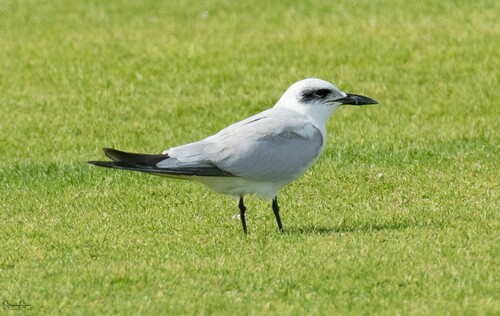 trinta-réis-de-bico-preto
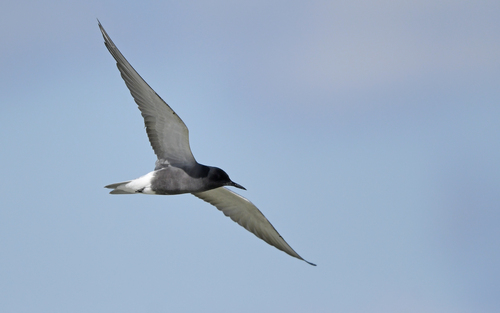 trinta-réis-negro
Em resumo
A maneira mais confiável de separar o trinta-réis-de-bico-preto do trinta-réis-negro é pela estrutura: o trinta-réis-de-bico-preto é muito maior, com um bico grosso, curto e semelhante ao de uma gaivota e um corpo robusto, enquanto o trinta-réis-negro é menor, mais esguio e tem um bico delgado e pontudo. Em voo, o trinta-réis-negro parece ágil e leve, com uma construção distintamente esbelta, enquanto o trinta-réis-de-bico-preto parece ter asas mais largas e ser mais pesado. As plumagens juvenis e não reprodutivas podem ser confusas, mas as diferenças de forma e tamanho do bico permanecem constantes. Ambas as espécies podem mostrar bonés escuros ou marcas faciais na plumagem não reprodutiva, portanto, confiar na estrutura geral e no bico é o mais seguro.
Dicas de identificação
- Forma e tamanho do bico: O trinta-réis-de-bico-preto tem um bico grosso, curto, rombudo e semelhante ao de uma gaivota (todas as idades/estações), enquanto o trinta-réis-negro tem um bico delgado, pontudo e ligeiramente curvado para baixo, quase tão longo quanto sua cabeça. Esta é a marca de campo mais consistente.
- Tamanho e volume geral: O trinta-réis-de-bico-preto é muito maior e mais robusto que o trinta-réis-negro; procure um corpo pesado e asas largas em comparação com a construção esbelta e delicada do trinta-réis-negro.
- Comprimento das pernas: O trinta-réis-de-bico-preto tem pernas visivelmente longas, especialmente quando está em pé; as pernas do trinta-réis-negro são curtas e menos óbvias.
- Estilo de voo: O trinta-réis-de-bico-preto voa com batidas de asas firmes e poderosas e parece ter asas largas; o trinta-réis-negro é ágil, leve e errático em voo, com um contorno esbelto.
- Plumagem reprodutiva: O trinta-réis-negro é escuro no geral (cabeça, pescoço, barriga pretos e costas cinza-escuras), enquanto o trinta-réis-de-bico-preto é cinza-claro por cima e branco por baixo, com um boné preto.
- Plumagem não reprodutiva: Ambas as espécies perdem o boné preto completo, mas o trinta-réis-de-bico-preto mostra uma mancha escura ao redor do olho e uma cabeça clara; o trinta-réis-negro tem um boné escuro, mas um rosto branco, e o escuro não se estende abaixo do olho.
- Plumagem juvenil: O juvenil do trinta-réis-de-bico-preto se assemelha a adultos não reprodutivos com uma máscara fraca; o juvenil do trinta-réis-negro tem um colar branco largo e manchas cinza-marrom sutis nos lados do peito, mas estas nem sempre são óbvias.
- Padrão da asa superior: Nenhuma das espécies apresenta um padrão forte e distinto na asa superior (como um 'W' preto ou um painel ousado) em qualquer idade; a separação depende da estrutura e da coloração geral.
- Forma da cauda: O trinta-réis-negro tem uma cauda curta e quadrada que não é profundamente bifurcada; a cauda do trinta-réis-de-bico-preto também não é profundamente bifurcada, mas parece proporcionalmente mais longa devido ao seu tamanho maior.
- Contexto do habitat: Se o pássaro estiver forrageando sobre solo seco, campos ou arbustos, é provável que seja um trinta-réis-de-bico-preto; se estiver sobre pântanos de água doce ou lagos, especialmente em um bando, o trinta-réis-negro é mais provável.
- Postura empoleirada: O trinta-réis-de-bico-preto fica em pé com pernas longas e um bico grosso; o trinta-réis-negro empoleira-se baixo, com pernas curtas e um bico esbelto.
- Voz: Ouça o 'ker-wik' do trinta-réis-de-bico-preto em comparação com o alto 'kik' do trinta-réis-negro, especialmente se o pássaro não for bem visto.
- Comportamento alimentar: O trinta-réis-de-bico-preto frequentemente pega presas do solo ou da vegetação baixa, enquanto o trinta-réis-negro é quase sempre visto se alimentando sobre a água.
- Comportamento em bando: O trinta-réis-negro frequentemente se reúne em bandos barulhentos, especialmente durante a migração; o trinta-réis-de-bico-preto é mais frequentemente visto sozinho ou em pequenos grupos.
- Armadilhas: Plumagens não reprodutivas e juvenis podem ser confusas devido a marcas faciais escuras semelhantes; sempre verifique a forma do bico e o tamanho geral primeiro, e use o habitat e o comportamento como pistas de apoio.
Tamanho
O trinta-réis-de-bico-preto é substancialmente maior e mais pesado que o trinta-réis-negro. O trinta-réis-de-bico-preto mede 33–42 cm de comprimento, com uma envergadura de 76–91 cm e uma massa corporal de 150–292 g [wikipedia]; o trinta-réis-negro é muito menor, com 25 cm de comprimento, 61 cm de envergadura e cerca de 60 g de massa [wikidata]. A diferença de tamanho é impressionante em comparação direta, com o trinta-réis-de-bico-preto parecendo mais robusto e volumoso, enquanto o trinta-réis-negro é delicado e leve.
Plumagem
Pássaros juvenis e não reprodutivos de ambas as espécies podem mostrar padrões faciais confusamente semelhantes, com um boné ou máscara escura. No entanto, o trinta-réis-negro (todas as idades) é muito mais escuro no geral na plumagem reprodutiva, com cabeça, pescoço e barriga pretos, e costas cinza-escuras, enquanto o trinta-réis-de-bico-preto na plumagem reprodutiva é cinza-claro por cima e branco por baixo, com um boné preto. Na plumagem não reprodutiva, o trinta-réis-de-bico-preto perde o boné preto completo, mostrando uma mancha escura ao redor do olho, e os juvenis têm uma máscara fraca, mas de outra forma se assemelham a adultos de inverno. O trinta-réis-negro na plumagem não reprodutiva torna-se muito mais claro, com partes superiores cinzas, um rosto branco e um boné escuro que não se estende abaixo do olho. O juvenil do trinta-réis-negro tem um colar branco largo e manchas cinza-marrom nos lados do peito, mas estas são sutis. Em voo, o trinta-réis-negro sempre parece esbelto e de corpo escuro, enquanto o trinta-réis-de-bico-preto é claro e de asas largas. Nenhum painel distintivo na asa superior ou padrão 'W' preto é descrito para qualquer uma das espécies em qualquer idade.
Comportamento
O trinta-réis-de-bico-preto tipicamente forrageia voando sobre solo aberto, pântanos ou até mesmo áreas arbustivas, pegando insetos e pequenas presas da superfície ou em voo, mas não mergulha como muitos trinta-réis. O trinta-réis-negro é mais aéreo e ágil, forrageando sobre a água ao pegar insetos ou pequenos peixes da superfície ou perto dela, com um voo errático e leve. O trinta-réis-negro raramente pousa no solo longe da água, enquanto o trinta-réis-de-bico-preto é frequentemente visto caminhando ou parado em planícies abertas ou diques.
Habitat
O trinta-réis-de-bico-preto é encontrado em uma ampla gama de habitats abertos, incluindo áreas costeiras de água salgada, lagos, pântanos e, às vezes, campos úmidos ou até mesmo solo seco, especialmente na América do Norte, onde é principalmente costeiro. O trinta-réis-negro está fortemente ligado a pântanos de água doce e lagos durante a reprodução, raramente se aventurando longe da água, e na migração ou inverno é encontrado ao longo das costas ou grandes águas interiores. Se visto longe da água, especialmente em campos secos, é muito mais provável que seja um trinta-réis-de-bico-preto.
Voz
O trinta-réis-de-bico-preto emite um chamado característico 'ker-wik', que é distinto se ouvido. O trinta-réis-negro tem um chamado agudo 'kik', e grandes bandos podem ser muito barulhentos. Os chamados são bastante diferentes em tom e qualidade, mas ambos são agudos em comparação com gaivotas.
trinta-réis-de-bico-preto · trinta-réis-negro · Minhas aves difíceis