

batuiruçu-de-axila-preta vs borrelho-pequeno-de-coleira
Pluvialis squatarola versus Thinornis dubius
Jogue um quiz com batuiruçu-de-axila-preta e borrelho-pequeno-de-coleira
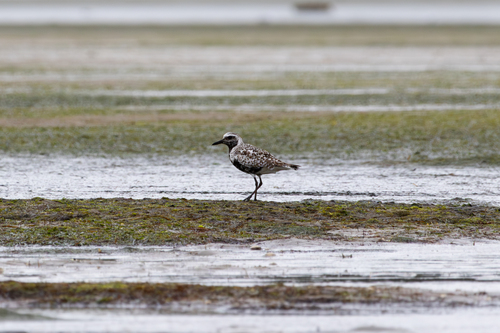 batuiruçu-de-axila-preta
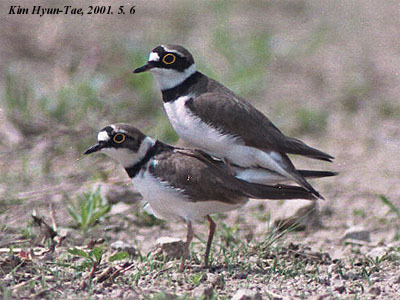 borrelho-pequeno-de-coleira
Em resumo
A marca de campo mais confiável para separar o batuiruçu-de-axila-preta do borrelho-pequeno-de-coleira—especialmente em voo e para imaturos—são as axilas pretas sólidas do batuiruçu-de-axila-preta (penas 'de axila' de baixo da asa), que estão sempre presentes e são diagnósticas em todas as idades e estações. No chão, o batuiruçu-de-axila-preta é muito maior e com bico mais robusto, com uma aparência mais robusta, enquanto o borrelho-pequeno-de-coleira é pequeno, com bico fino, e apresenta um distinto anel ocular amarelo. Os batuiruçus-de-axila-preta juvenis e de inverno podem parecer cinza simples por cima, mas ainda mostram as axilas pretas em voo, enquanto o borrelho-pequeno-de-coleira nunca o faz. O tamanho do bico, a cor das pernas e o padrão da cabeça ajudam ainda mais em vistas próximas. A confusão é mais provável com batuiruçus-de-axila-preta não reprodutores ou jovens, então concentre-se no padrão e na estrutura da parte inferior da asa para uma identificação confiante.
Dicas de identificação
- Axilas pretas em voo (todas as idades, todas as estações): O batuiruçu-de-axila-preta sempre mostra axilas pretas sólidas (penas de axila) e flancos internos ao voar—isso é diagnóstico e nunca é mostrado pelo borrelho-pequeno-de-coleira.
- Tamanho e estrutura: O batuiruçu-de-axila-preta é muito maior e mais robusto, com um pescoço grosso, peito largo e um bico pesado e de ponta arredondada. O borrelho-pequeno-de-coleira é pequeno, esbelto e com bico fino.
- Tamanho e forma do bico: O bico do batuiruçu-de-axila-preta é notavelmente mais longo e pesado (24–34 mm), enquanto o borrelho-pequeno-de-coleira tem um bico curto, fino e escuro.
- Cor das pernas: O borrelho-pequeno-de-coleira tem pernas de cor carne, enquanto as pernas do batuiruçu-de-axila-preta são pretas.
- Padrão da cabeça: O borrelho-pequeno-de-coleira apresenta um claro anel ocular amarelo e uma máscara preta com branco acima do olho; o batuiruçu-de-axila-preta não possui um anel ocular amarelo e tem um rosto mais simples na plumagem não reprodutiva.
- Plumagem reprodutiva (primavera/verão): Os adultos do batuiruçu-de-axila-preta são marcadamente pretos e brancos por baixo com um rosto, pescoço e barriga pretos contornados por branco. O borrelho-pequeno-de-coleira nunca mostra esse padrão, sempre tendo uma única faixa preta no pescoço e partes inferiores brancas.
- Plumagem não reprodutiva/inverno: O batuiruçu-de-axila-preta torna-se cinza simples por cima com um peito salpicado, mas ainda mostra axilas pretas em voo. O borrelho-pequeno-de-coleira permanece marrom por cima com uma barriga branca e faixa preta no pescoço.
- Confusão juvenil/primeiro inverno: O juvenil do batuiruçu-de-axila-preta é semelhante aos adultos no inverno, mas com mais contraste nas costas (preto com bordas cremosas); ainda assim, as axilas pretas em voo estão presentes. O juvenil do borrelho-pequeno-de-coleira não possui nenhuma parte inferior preta e tem um padrão de cabeça semelhante ao dos adultos.
- Contexto de habitat: Longe da costa, um pequeno plover é quase certamente um borrelho-pequeno-de-coleira. Em mudas abertas ou praias de areia, especialmente em batuiruçus-de-axila-preta grandes e robustos, suspeite do batuiruçu-de-axila-preta.
- Estilo de voo: O batuiruçu-de-axila-preta é forte e direto em voo, enquanto o borrelho-pequeno-de-coleira é mais leve e mais rápido.
- Padrão da cauda e do rabo: O batuiruçu-de-axila-preta tem um rabo e uma cauda brancos com listras pretas; o borrelho-pequeno-de-coleira tem um padrão de cauda menos contrastante.
- Comportamento alimentar: O batuiruçu-de-axila-preta frequentemente fica em pé e se move de forma deliberada; o borrelho-pequeno-de-coleira corre rapidamente em curtas distâncias e para abruptamente.
- Voz: Não é diagnóstico a partir das notas fornecidas.
- Contexto sazonal: Se visto na primavera ou no verão em plumagem reprodutiva completa, o batuiruçu-de-axila-preta é inconfundível com sua barriga preta; caso contrário, confie no padrão da parte inferior da asa e na estrutura.
- Dedos palmados: O borrelho-pequeno-de-coleira tem todos os dedos palmados, mas isso raramente é visível em campo e não é uma marca de campo primária.
Tamanho
O batuiruçu-de-axila-preta é uma ave muito maior: 27–30 cm de comprimento, com uma envergadura de 71–83 cm e pesando 190–280 g (às vezes até 345 g antes da migração) [wikipedia][avonet]. Em contraste, o borrelho-pequeno-de-coleira é notavelmente menor e mais leve, com uma construção mais delicada e um bico curto e fino. A diferença de tamanho é óbvia em comparação direta ou com experiência, mas pode ser subestimada à distância ou sem escala.
Plumagem
- Aves juvenis e de primeiro inverno: Os juvenis do batuiruçu-de-axila-preta se assemelham aos adultos na plumagem não reprodutiva, mas têm costas mais escuras com bordas brancas cremosas. Crucialmente, em todas as idades e plumagens, o batuiruçu-de-axila-preta mostra axilas pretas sólidas e flancos internos em voo—uma característica única entre os plovers do gênero Pluvialis. Os juvenis e adultos do borrelho-pequeno-de-coleira nunca mostram axilas pretas; suas partes inferiores são pálidas.
- Plumagem reprodutiva adulta: Os adultos do batuiruçu-de-axila-preta na primavera/verão são marcadamente pretos e brancos com um rosto, pescoço, peito e barriga pretos, contornados por branco, e um rabo branco. Os adultos do borrelho-pequeno-de-coleira nunca mostram esse padrão; em vez disso, têm uma única faixa preta no pescoço, partes superiores marrons e uma testa e barriga brancas.
- Plumagem não reprodutiva/adulta de inverno: O batuiruçu-de-axila-preta torna-se mais simples e cinza por cima com um peito salpicado e barriga branca, mas ainda retém as axilas pretas em voo. O borrelho-pequeno-de-coleira permanece marrom por cima com uma barriga e peito brancos, uma faixa preta no pescoço e um anel ocular amarelo.
- Padrão da cabeça: O borrelho-pequeno-de-coleira mostra uma máscara preta com um proeminente anel ocular amarelo e branco acima do olho, enquanto o batuiruçu-de-axila-preta não possui um anel ocular amarelo e tem um rosto mais pesado e simples na plumagem não reprodutiva.
Comportamento
O batuiruçu-de-axila-preta frequentemente parece mais robusto e ereto ao ficar em pé, com uma marcha mais pesada e deliberada e uma tendência a se alimentar em áreas costeiras abertas e expostas. Em voo, é forte e direto, com asas largas. O borrelho-pequeno-de-coleira é mais delicado, rápido e ágil, frequentemente correndo em curtas distâncias e fazendo paradas frequentes. Ele se alimenta ao longo das bordas de habitats de água doce ou lamacentos, e seu voo é mais leve e mais rápido.
Habitat
O batuiruçu-de-axila-preta é quase exclusivamente costeiro fora da estação de reprodução, favorecendo mudas abertas, estuários e praias de areia. O borrelho-pequeno-de-coleira prefere habitats interiores, especialmente pedreiras, margens de rios e margens lamacentas de lagos e lagoas. Embora alguma sobreposição possa ocorrer durante a migração, o habitat é frequentemente uma pista forte: um pequeno plover longe da costa é muito mais provável de ser um borrelho-pequeno-de-coleira.
batuiruçu-de-axila-preta · borrelho-pequeno-de-coleira · Minhas aves difíceis