

Chorlito Gris vs Chorlitejo Chico
Pluvialis squatarola frente a Thinornis dubius
Juega un quiz con Chorlito Gris y Chorlitejo Chico
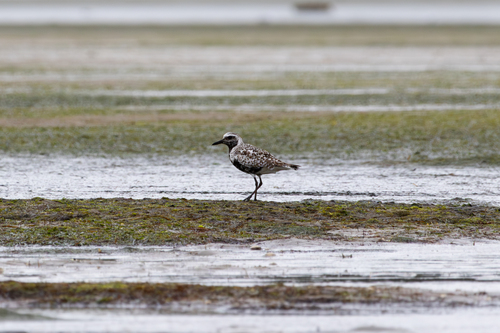 Chorlito Gris
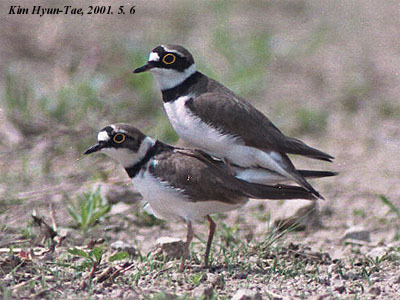 Chorlitejo Chico
En breve
La marca de campo más confiable para separar Chorlito Gris de Chorlitejo Chico—especialmente en vuelo y para inmaduros—son los axilares negros sólidos del Chorlito Gris (plumas de 'axila' del ala inferior), que siempre están presentes y son diagnósticos en todas las edades y estaciones. En el suelo, el Chorlito Gris es mucho más grande y con un pico más robusto, con una apariencia más robusta, mientras que el Chorlitejo Chico es pequeño, con un pico fino y muestra un anillo ocular amarillo distintivo. Los Chorlitos Grises juveniles e invernales pueden parecer gris uniforme por encima, pero aún muestran los axilares negros en vuelo, mientras que el Chorlitejo Chico nunca lo hace. El tamaño del pico, el color de las patas y el patrón de la cabeza ayudan aún más en vistas cercanas. La confusión es más probable con Chorlitos Grises no reproductores o jóvenes, así que concéntrate en el patrón y la estructura del ala inferior para una identificación confiable.
Consejos de identificación
- Axilares negros en vuelo (todas las edades, todas las estaciones): El Chorlito Gris siempre muestra axilares negros sólidos (plumas de axila) y flancos internos al volar—esto es diagnóstico y nunca lo muestra el Chorlitejo Chico.
- Tamaño y estructura: El Chorlito Gris es mucho más grande y robusto, con un cuello grueso, pecho amplio y un pico pesado y romo. El Chorlitejo Chico es pequeño, delgado y con un pico fino.
- Tamaño y forma del pico: El pico del Chorlito Gris es notablemente más largo y pesado (24–34 mm), mientras que el Chorlitejo Chico tiene un pico corto, fino y oscuro.
- Color de las patas: El Chorlitejo Chico tiene patas de color carne, mientras que las patas del Chorlito Gris son negras.
- Patrón de la cabeza: El Chorlitejo Chico muestra un claro anillo ocular amarillo y una máscara negra con blanco sobre el ojo; el Chorlito Gris carece de un anillo ocular amarillo y tiene una cara más simple en plumaje no reproductor.
- Plumaje reproductor (primavera/verano): Los adultos de Chorlito Gris son audazmente negros y blancos por debajo con una cara, cuello y vientre negros bordeados de blanco. El Chorlitejo Chico nunca muestra este patrón, siempre teniendo una sola banda negra en el cuello y partes inferiores blancas.
- Plumaje no reproductor/invernal: El Chorlito Gris se vuelve gris uniforme por encima con un pecho moteado, pero aún muestra axilares negros en vuelo. El Chorlitejo Chico permanece marrón por encima con un vientre blanco y banda negra en el cuello.
- Confusión juvenil/primer invierno: El Chorlito Gris juvenil es similar a los adultos en invierno pero con más contraste en la espalda (negro con bordes cremosos); aún así, los axilares negros en vuelo están presentes. El Chorlitejo Chico juvenil carece de cualquier axilar negro y tiene un patrón de cabeza similar al de los adultos.
- Contexto de hábitat: Lejos de la costa, un pequeño chorlito es casi seguramente un Chorlitejo Chico. En llanuras de barro tidal abiertas o playas de arena, especialmente en chorlitos grandes y robustos, sospecha del Chorlito Gris.
- Estilo de vuelo: El Chorlito Gris es fuerte y directo en vuelo, mientras que el Chorlitejo Chico es más ligero y más titilante.
- Patrón de la cola y el rabadilla: El Chorlito Gris tiene una rabadilla y cola blancas con bandas negras; el Chorlitejo Chico tiene un patrón de cola menos contrastante.
- Comportamiento alimenticio: El Chorlito Gris a menudo se mantiene erguido y se mueve deliberadamente; el Chorlitejo Chico corre rápidamente en ráfagas cortas y se detiene abruptamente.
- Voz: No es diagnóstico según las notas proporcionadas.
- Contexto estacional: Si se ve en primavera o verano en plumaje reproductor completo, el Chorlito Gris es inconfundible con su vientre negro; de lo contrario, confía en el ala inferior y la estructura.
- Dedos palmeados: El Chorlitejo Chico tiene todos los dedos palmeados, pero esto rara vez es visible en el campo y no es una marca de campo primaria.
Tamaño
El Chorlito Gris es un ave mucho más grande: 27–30 cm de longitud, con una envergadura de 71–83 cm y un peso de 190–280 g (a veces hasta 345 g antes de la migración) [wikipedia][avonet]. En contraste, el Chorlitejo Chico es notablemente más pequeño y ligero, con una construcción más delicada y un pico corto y fino. La diferencia de tamaño es obvia en comparación directa o con experiencia, pero puede subestimarse a distancia o sin escala.
Plumaje
- Aves juveniles y de primer invierno: Los juveniles de Chorlito Gris se asemejan a los adultos en plumaje no reproductor pero tienen espaldas más negras con bordes cremosos. Crucialmente, en todas las edades y plumajes, el Chorlito Gris muestra axilares negros sólidos y flancos internos en vuelo—una característica única entre los chorlitos Pluvialis. Los juveniles y adultos de Chorlitejo Chico nunca muestran axilares negros; sus alas inferiores son pálidas.
- Plumaje reproductor adulto: Los adultos de Chorlito Gris en primavera/verano son strikingly black-and-white con una cara, cuello, pecho y vientre negros, bordeados de blanco, y una rabadilla blanca. Los adultos de Chorlitejo Chico nunca muestran este patrón; en cambio, tienen una sola banda negra en el cuello, partes superiores marrones y una frente y vientre blancos.
- Plumaje no reproductor/invernal adulto: El Chorlito Gris se vuelve más gris uniforme por encima con un pecho moteado y vientre blanco, pero aún retiene los axilares negros en vuelo. El Chorlitejo Chico permanece marrón por encima con un vientre y pecho blancos, una banda negra en el cuello y un anillo ocular amarillo.
- Patrón de la cabeza: El Chorlitejo Chico muestra una máscara negra con un prominente anillo ocular amarillo y blanco sobre el ojo, mientras que el Chorlito Gris carece de un anillo ocular amarillo y tiene una cara más pesada y simple en plumaje no reproductor.
Comportamiento
El Chorlito Gris a menudo parece más robusto y erguido cuando está de pie, con un andar más pesado y decidido y una tendencia a alimentarse en áreas costeras abiertas y expuestas. En vuelo, es fuerte y directo, con alas amplias. El Chorlitejo Chico es más delicado, rápido y ágil, a menudo corriendo en ráfagas cortas y haciendo paradas frecuentes. Se alimenta a lo largo de los bordes de hábitats de agua dulce o fangosos, y su vuelo es más ligero y más titilante.
Hábitat
El Chorlito Gris es casi exclusivamente costero fuera de la temporada de reproducción, favoreciendo llanuras de barro abiertas, estuarios y playas de arena. El Chorlitejo Chico prefiere hábitats interiores, especialmente canteras de grava, márgenes de ríos y márgenes fangosos de lagos y estanques. Si bien puede haber cierta superposición durante la migración, el hábitat a menudo es una pista fuerte: un pequeño chorlito lejos de la costa es mucho más probable que sea un Chorlitejo Chico.