

gray-cheeked warbler vs gray-hooded warbler
Phylloscopus poliogenys versus Phylloscopus xanthoschistos
Jogue um quiz com gray-cheeked warbler e gray-hooded warbler
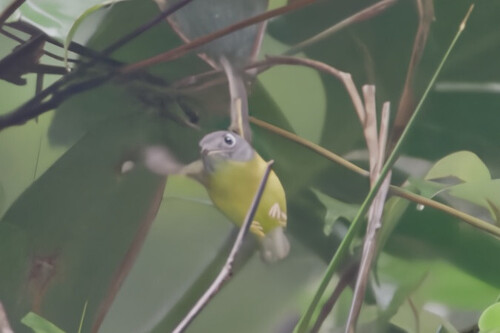 gray-cheeked warbler
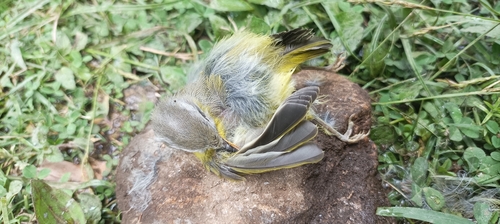 gray-hooded warbler
Em resumo
Grey-cheeked Warbler and Grey-hooded Warbler are both small Phylloscopus warblers, but separating them in the field requires close attention to subtle plumage and structural details, especially since both lack strong age-specific wing patterns in the available notes. The most reliable separation is based on head coloration: Grey-cheeked Warbler shows a more uniform greyish face and cheek, while Grey-hooded Warbler displays a distinctive grey hood contrasting with a yellow face and underparts. Both species are similar in size and structure, so focus on facial pattern and overall coloration when viewing with binoculars. Vocalizations and habitat preferences are not diagnostic with the current information.
Dicas de identificação
- Head pattern is key: Grey-cheeked Warbler has a uniform greyish face and cheek, while Grey-hooded Warbler shows a sharply defined grey hood contrasting with a yellow face and underparts. This is the most reliable mark in all plumages.
- Facial contrast: Look for the degree of contrast between the head and the rest of the body. Grey-hooded Warbler's hood is distinctly set off from the yellow below, while Grey-cheeked Warbler is more blended and less contrasting.
- Underparts coloration: Grey-hooded Warbler has bright yellow underparts, which are more vivid and extensive than the paler, less saturated tones of Grey-cheeked Warbler.
- Absence of wing bars: Neither species shows strong wing bars or panels, so do not rely on wing pattern to separate them.
- No strong age/sex differences: Both species appear similar across ages and sexes in the available notes, so the head and underpart coloration works for all individuals.
- Bill and structure: Both have typical Phylloscopus structure, with no consistent differences in bill shape, tail, or primary projection noted.
- Flight views: In flight, focus on the head and underpart color, as there are no unique upperwing marks for either species.
- Perched views: Try to get a clear look at the face and throat; Grey-hooded Warbler's yellow face and throat stand out against the grey hood, while Grey-cheeked Warbler is more uniformly greyish.
- Habitat overlap: Since both species can occur in the same regions and habitats, do not use location alone for identification.
- Voice: If you hear a distinctive warbling song, it may suggest Grey-hooded Warbler, but this is not reliable without more detail.
- Seasonal variation: No strong seasonal plumage differences are noted for either species; head and underpart color remain the best clues year-round.
- Lighting pitfalls: Poor light can wash out the yellow of Grey-hooded Warbler, making it appear greyer and more similar to Grey-cheeked Warbler—try to view in good light.
- Confusion risk: Immature or worn Grey-hooded Warblers may show duller yellow, but the hood contrast should still be visible.
- Checklist fallback: If unsure, prioritize any visible contrast between hood and face/underparts as your main field mark.
- Documentation: Photographing the head and underparts can help confirm identification later, especially in mixed flocks.
Tamanho
Both species are typical small Phylloscopus warblers, and the available sources do not provide measurements or suggest any consistent size difference between Grey-cheeked and Grey-hooded Warbler. In the field, size is not a reliable separation point for these two.
Plumagem
No age-specific wing or upperpart patterns are described for either species, so focus must be on head and underpart coloration. Grey-cheeked Warbler has a generally greyish face and cheek, blending into the rest of the head and lacking strong contrast. In contrast, Grey-hooded Warbler is named for its clear grey hood, which stands out against its bright yellow face and underparts. This contrast is present in adults and, as far as sources indicate, is also visible in non-breeding and immature birds. Both species lack strong wing bars or panels, so the face and head pattern are the main clues regardless of age or season.
Comportamento
Both species behave like typical Phylloscopus warblers, actively foraging in foliage and often remaining hidden. No behavioral differences are noted in the available sources that would help separate them in the field.
Habitat
Both species occur in overlapping regions of South and Southeast Asia and are found in similar forested habitats. The notes do not provide habitat distinctions useful for field identification between these two warblers.
Voz
No diagnostic vocal differences are described in the available sources. While Grey-hooded Warbler is noted for its warbling song, this is not detailed enough to serve as a field mark for separation from Grey-cheeked Warbler.
gray-cheeked warbler · gray-hooded warbler · Minhas aves difíceis