

Gray-cheeked Warbler vs Gray-hooded Warbler
Phylloscopus poliogenys contro Phylloscopus xanthoschistos
Fai un quiz con Gray-cheeked Warbler e Gray-hooded Warbler
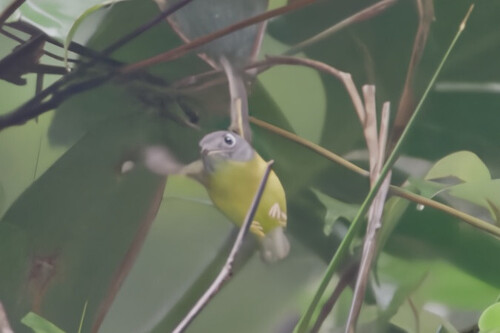 Gray-cheeked Warbler
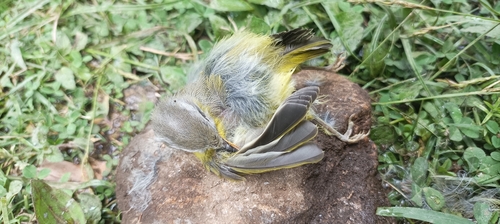 Gray-hooded Warbler
In breve
Gray-cheeked Warbler e Gray-hooded Warbler sono entrambi piccoli warbler Phylloscopus, ma separarli sul campo richiede attenzione ai dettagli sottili del piumaggio e della struttura, specialmente poiché entrambi mancano di forti schemi alari specifici per età nelle note disponibili. La separazione più affidabile si basa sulla colorazione della testa: Gray-cheeked Warbler mostra un volto e una guancia grigiastri più uniformi, mentre Gray-hooded Warbler presenta un distintivo cappuccio grigio che contrasta con un volto e parti inferiori gialle. Entrambe le specie sono simili in dimensioni e struttura, quindi concentrati sul pattern facciale e sulla colorazione generale quando osservi con i binocoli. Le vocalizzazioni e le preferenze di habitat non sono diagnostiche con le informazioni attuali.
Consigli di identificazione
- Il pattern della testa è fondamentale: Gray-cheeked Warbler ha un volto e una guancia grigiastri uniformi, mentre Gray-hooded Warbler mostra un cappuccio grigio ben definito che contrasta con un volto e parti inferiori gialle. Questo è il segno più affidabile in tutti i piumaggi.
- Contrasto facciale: Cerca il grado di contrasto tra la testa e il resto del corpo. Il cappuccio di Gray-hooded Warbler è nettamente distinto dal giallo sottostante, mentre Gray-cheeked Warbler è più mescolato e meno contrastante.
- Colorazione delle parti inferiori: Gray-hooded Warbler ha parti inferiori gialle brillanti, che sono più vivide ed estese rispetto ai toni più pallidi e meno saturi di Gray-cheeked Warbler.
- Assenza di barre alari: Nessuna delle due specie mostra forti barre alari o pannelli, quindi non fare affidamento sul pattern alare per separarli.
- Nessuna forte differenza di età/sesso: Entrambe le specie appaiono simili tra età e sessi nelle note disponibili, quindi la colorazione della testa e delle parti inferiori funziona per tutti gli individui.
- Becco e struttura: Entrambi hanno una struttura tipica di Phylloscopus, senza differenze consistenti nella forma del becco, nella coda o nella proiezione primaria notate.
- Viste in volo: In volo, concentrati sul colore della testa e delle parti inferiori, poiché non ci sono segni unici sulle ali superiori per nessuna delle due specie.
- Viste in perching: Cerca di avere una chiara visione del volto e della gola; il volto e la gola gialli di Gray-hooded Warbler si distinguono contro il cappuccio grigio, mentre Gray-cheeked Warbler è più uniformemente grigio.
- Sovrapposizione degli habitat: Poiché entrambe le specie possono verificarsi nelle stesse regioni e habitat, non utilizzare la posizione da sola per l'identificazione.
- Voce: Se senti una canzone gorgheggiante distintiva, potrebbe suggerire Gray-hooded Warbler, ma questo non è affidabile senza ulteriori dettagli.
- Variazione stagionale: Non sono state notate forti differenze di piumaggio stagionali per nessuna delle due specie; il colore della testa e delle parti inferiori rimane il miglior indizio durante tutto l'anno.
- Insidie dell'illuminazione: Una scarsa illuminazione può lavare il giallo di Gray-hooded Warbler, facendolo apparire più grigio e più simile a Gray-cheeked Warbler—cerca di osservare in buona luce.
- Rischio di confusione: Gray-hooded Warblers immaturi o usurati possono mostrare un giallo più opaco, ma il contrasto del cappuccio dovrebbe comunque essere visibile.
- Fallback della checklist: Se non sei sicuro, dai priorità a qualsiasi contrasto visibile tra cappuccio e volto/parti inferiori come tuo segno principale sul campo.
- Documentazione: Fotografare la testa e le parti inferiori può aiutare a confermare l'identificazione in seguito, specialmente in stormi misti.
Taglia
Entrambe le specie sono tipici piccoli warbler Phylloscopus, e le fonti disponibili non forniscono misurazioni o suggeriscono alcuna differenza di dimensione consistente tra Gray-cheeked e Gray-hooded Warbler. Sul campo, la dimensione non è un punto di separazione affidabile per questi due.
Piumaggio
Nessun pattern alare o delle parti superiori specifico per età è descritto per nessuna delle due specie, quindi l'attenzione deve essere sulla colorazione della testa e delle parti inferiori. Gray-cheeked Warbler ha un volto e una guancia grigiastri generalmente, che si mescolano al resto della testa e mancano di forte contrasto. Al contrario, Gray-hooded Warbler è chiamato per il suo chiaro cappuccio grigio, che si distingue contro il suo volto e le parti inferiori gialle brillanti. Questo contrasto è presente negli adulti e, per quanto indicano le fonti, è visibile anche in uccelli non in riproduzione e immaturi. Entrambe le specie mancano di forti barre alari o pannelli, quindi il pattern del volto e della testa sono i principali indizi indipendentemente dall'età o dalla stagione.
Comportamento
Entrambe le specie si comportano come tipici warbler Phylloscopus, foraggiando attivamente nel fogliame e spesso rimanendo nascosti. Non sono state notate differenze comportamentali nelle fonti disponibili che potrebbero aiutare a separarli sul campo.
Habitat
Entrambe le specie si trovano in regioni sovrapposte del Sud e del Sud-est asiatico e sono presenti in habitat forestali simili. Le note non forniscono distinzioni di habitat utili per l'identificazione sul campo tra questi due warbler.
Voce
Nessuna differenza vocale diagnostica è descritta nelle fonti disponibili. Sebbene Gray-hooded Warbler sia noto per la sua canzone gorgheggiante, questo non è dettagliato a sufficienza per servire come segno sul campo per la separazione da Gray-cheeked Warbler.
Gray-cheeked Warbler · Gray-hooded Warbler · I miei uccelli difficili