

gray-backed tern vs trinta-réis-de-bico-preto
Onychoprion lunatus versus Gelochelidon nilotica
Jogue um quiz com gray-backed tern e trinta-réis-de-bico-preto
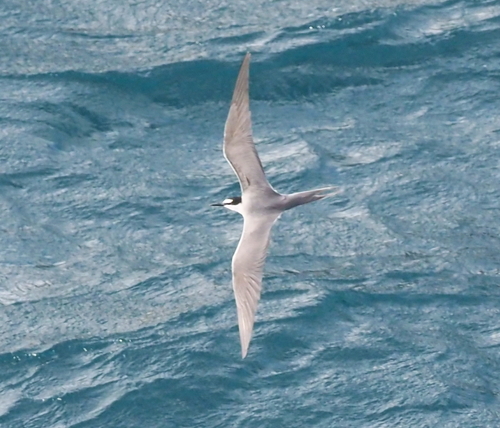 gray-backed tern
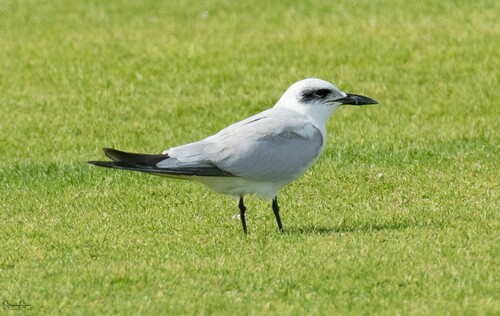 trinta-réis-de-bico-preto
Em resumo
A marca de campo mais confiável entre o gray-backed tern e o trinta-réis-de-bico-preto é estrutural: o trinta-réis-de-bico-preto tem um bico notavelmente curto, grosso e semelhante ao de uma gaivota, e um corpo robusto e de asas largas, enquanto o gray-backed tern é mais esbelto e gracioso, com um bico fino e pontudo. Em todas as plumagens, o gray-backed tern apresenta uma linha ocular escura distinta em um rosto branco e um dorso cinza claro, enquanto o trinta-réis-de-bico-preto tem uma touca preta no verão, mas a perde no inverno, desenvolvendo uma mancha ocular escura em vez disso. As aves juvenis e não reprodutoras de ambas as espécies podem ser confusas, mas a estrutura geral e a forma do bico permanecem fundamentais. Em voo, o trinta-réis-de-bico-preto parece mais pesado e de asas mais largas, enquanto o gray-backed tern é mais delicado e leve.
Dicas de identificação
- A forma do bico é a melhor marca de campo: O trinta-réis-de-bico-preto tem um bico curto, grosso, rombudo e semelhante ao de uma gaivota em todas as idades e estações; o gray-backed tern tem um bico esbelto e pontudo, típico de uma tern. Isso é visível mesmo à distância e em voo.
- Estrutura geral: O trinta-réis-de-bico-preto é mais robusto, com um corpo forte, asas largas e pernas longas; o gray-backed tern é esbelto, gracioso e de asas longas, com uma aparência mais delicada.
- Padrão facial: O gray-backed tern sempre apresenta uma linha ocular preta nítida do bico até a nuca em um rosto branco, dando uma aparência 'de óculos'. O trinta-réis-de-bico-preto tem uma touca preta completa no verão, mas no inverno e na plumagem juvenil apresenta apenas uma mancha escura ao redor do olho, nunca uma linha nítida que se estenda até a nuca.
- Cor do dorso: O gray-backed tern tem um dorso cinza distinto em todas as plumagens, contrastando com as partes inferiores brancas. As partes superiores do trinta-réis-de-bico-preto são cinza claro, mas não apresentam o contraste nítido e não são tão distintivamente coloridas quanto o gray-backed tern.
- Comprimento das pernas: O trinta-réis-de-bico-preto tem pernas visivelmente longas, frequentemente visíveis quando empoleiradas ou andando no chão. O gray-backed tern tem pernas curtas típicas de terns e raramente é visto andando.
- Estilo de voo: O trinta-réis-de-bico-preto voa com batidas de asas fortes e diretas e frequentemente parece mais pesado e de asas mais largas. O gray-backed tern é mais leve e ágil, típico das terns pelágicas.
- Habitat: Se a ave for vista no interior, sobre campos, pântanos ou água doce, é quase certamente um trinta-réis-de-bico-preto. O gray-backed tern é estritamente marinho e pelágico.
- Voz: Um chamado alto e áspero 'ker-wik' é diagnóstico para o trinta-réis-de-bico-preto. O gray-backed tern não é conhecido por esse chamado.
- Confusão juvenil: O juvenil do trinta-réis-de-bico-preto carece de um padrão forte nas asas superiores e se parece com uma tern pálida e de bico grosso com uma máscara fraca; os juvenis do gray-backed tern não são descritos em detalhes, mas espera-se que apresentem o mesmo dorso cinza e linha ocular que os adultos.
- Postura empoleirada: O trinta-réis-de-bico-preto frequentemente fica em pé com as pernas longas visíveis; o gray-backed tern raramente é visto empoleirado, exceto em ilhas remotas.
- Padrão da touca na não reprodução: No inverno, o trinta-réis-de-bico-preto perde sua touca preta, mostrando apenas uma mancha ocular escura. O padrão facial do gray-backed tern permanece consistente durante todo o ano.
- Comparação direta: Se ambas as espécies estiverem presentes, as diferenças de tamanho, bico e estrutura são imediatamente óbvias; o trinta-réis-de-bico-preto sempre parecerá maior e mais pesado.
- Identidade equivocada: O gray-backed tern é mais propenso a ser confundido com o trinta-réis-das-rocas ou o garajau-de-dorso-castanho devido à estrutura semelhante e hábitos marinhos; o trinta-réis-de-bico-preto é único entre as terns por seu bico e construção robusta.
- Contexto geográfico: O gray-backed tern é menos comum e estritamente oceânico; o trinta-réis-de-bico-preto é amplamente distribuído e frequentemente encontrado em paisagens alteradas pelo homem.
- Quando em dúvida: Concentre-se primeiro na forma do bico e no padrão facial, depois no tamanho e no habitat. Essas marcas são confiáveis em todas as idades e estações.
Tamanho
O trinta-réis-de-bico-preto é substancialmente maior e mais pesado que o gray-backed tern. O trinta-réis-de-bico-preto mede de 33 a 42 cm de comprimento, com uma envergadura de 76 a 91 cm e uma massa corporal de 150 a 292 g [wikipedia]. O gray-backed tern é menor e mais leve, com uma construção mais aerodinâmica (medidas precisas não fornecidas nas notas, mas está intimamente relacionado ao trinta-réis-das-rocas e ao garajau-de-dorso-castanho, ambos menores que o trinta-réis-de-bico-preto). No campo, o tamanho e o volume do trinta-réis-de-bico-preto são imediatamente aparentes, especialmente em comparação direta.
Plumagem
As plumagens juvenis e não reprodutoras são as mais desafiadoras. Os juvenis do trinta-réis-de-bico-preto se parecem muito com os adultos de inverno, com uma máscara fraca em vez de uma touca completa, e carecem de um padrão forte nas asas superiores; seu principal risco de confusão é com outras terns de rosto pálido e bicos curtos. O gray-backed tern, em todas as plumagens, apresenta um dorso cinza claro (não preto como no trinta-réis-das-rocas) e uma linha ocular preta nítida que vai do bico até a nuca, dando uma aparência 'de óculos'. O adulto reprodutor do trinta-réis-de-bico-preto tem uma touca preta sólida, mas no inverno isso recua para uma mancha ocular escura, que pode parecer semelhante à linha ocular do gray-backed tern à distância, mas carece da nitidez e extensão. As partes inferiores são brancas em ambas as espécies, mas a cor do dorso é diagnóstica: cinza no gray-backed tern, cinza claro (partes superiores) no trinta-réis-de-bico-preto, mas sem o contraste nítido ou a linha ocular preta. O juvenil do gray-backed tern não é descrito em detalhes, mas a espécie é notada por seu padrão facial consistente e cor do dorso em todas as idades.
Comportamento
O trinta-réis-de-bico-preto é um voador poderoso e robusto, frequentemente visto caçando sobre campos, pântanos e até mesmo beiras de estrada, usando um estilo de voo mais direto e semelhante ao de uma gaivota. Frequentemente pousa no chão e anda com pernas longas. O gray-backed tern é mais pelágico e gracioso, com um voo leve e ágil, típico das terns oceânicas, e raramente é visto longe de ambientes marinhos. Raramente pousa no chão, exceto em colônias de nidificação.
Habitat
O trinta-réis-de-bico-preto é altamente adaptável, nidificando e se alimentando em uma ampla gama de habitats, incluindo lagos interiores, pântanos, baías costeiras e até mesmo campos agrícolas. Na América do Norte, é principalmente costeiro, mas pode ser encontrado no interior em outros lugares. O gray-backed tern é estritamente marinho, nidificando em ilhas remotas e forrageando longe da costa; raramente é visto longe de ambientes oceânicos. Assim, uma tern vista sobre terras agrícolas ou pântanos de água doce quase certamente não é um gray-backed tern.
Voz
O trinta-réis-de-bico-preto tem um chamado distinto 'ker-wik', que é alto e semelhante ao de uma gaivota. Nenhuma vocalização específica é descrita para o gray-backed tern nas notas fornecidas, mas não é notado por um chamado semelhante. Se você ouvir um 'ker-wik' alto e áspero, especialmente de uma tern robusta, isso indica o trinta-réis-de-bico-preto.
gray-backed tern · trinta-réis-de-bico-preto · Minhas aves difíceis