

calhandrinha-galucha vs calhandrinha-das-marismas
Calandrella brachydactyla versus Alaudala rufescens
Jogue um quiz com calhandrinha-galucha e calhandrinha-das-marismas
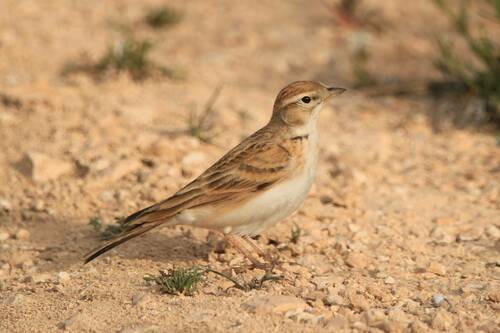 calhandrinha-galucha
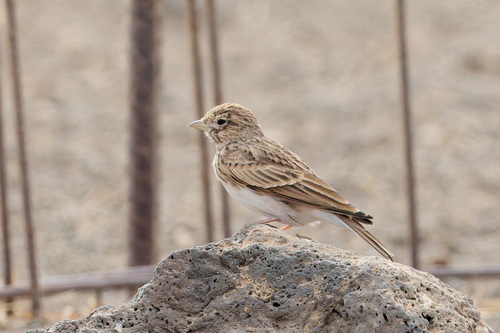 calhandrinha-das-marismas
Em resumo
A marca de campo mais confiável entre calhandrinha-galucha e calhandrinha-das-marismas é a presença ou ausência de manchas escuras no pescoço: a calhandrinha-galucha apresenta manchas escuras distintas nos lados do pescoço, enquanto a calhandrinha-das-marismas não possui essas manchas. A calhandrinha-das-marismas também tem um peito mais finamente estriado e um bico notavelmente mais curto e mais grosso, com uma cabeça mais arredondada. Ambas são pequenas, pálidas e têm coloração e estrutura geral semelhantes, mas a atenção cuidadosa ao padrão da cabeça, forma do bico e estriação do peito é essencial, especialmente em luz variável ou à distância. Diferenças sutis na canção e no comportamento em bandos podem ajudar, mas são menos confiáveis do que as pistas de plumagem e estrutura.
Dicas de identificação
- Verifique as manchas escuras no pescoço: A calhandrinha-galucha sempre apresenta manchas escuras distintas nos lados do pescoço; a calhandrinha-das-marismas não possui essas manchas. Esta é a marca de campo mais confiável para todas as idades e estações.
- Avalie a estriação do peito: A calhandrinha-das-marismas tem uma estriação mais fina e mais extensa no peito, enquanto o peito da calhandrinha-galucha é mais limpo e branco, com menos estriação. Isso é útil em todas as plumagens.
- Examine a forma do bico: A calhandrinha-galucha tem um bico forte, pontudo e ligeiramente mais longo (rosado com culmen cinza), enquanto o bico da calhandrinha-das-marismas é mais curto, mais grosso e menos cônico. A cor do bico não é diagnóstica, mas a forma e o comprimento são.
- Observe a forma da cabeça: A calhandrinha-das-marismas tem uma cabeça mais arredondada e menor em comparação com a cabeça ligeiramente maior e mais angular da calhandrinha-galucha. Isso é sutil, mas pode ser útil em comparação direta.
- Supercílio: Ambas as espécies têm um supercílio pálido, portanto, isso não é útil para separação.
- Cor da coroa: Algumas calhandrinhas-galuchas (especialmente as do oeste) podem apresentar uma coroa ruiva, mas isso se sobrepõe à calhandrinha-das-marismas e não é confiável isoladamente.
- Padrão da cauda: Ambas têm uma cauda escura; o padrão da cauda não é um separador.
- Comportamento em bandos: No inverno, a calhandrinha-galucha pode formar bandos maiores e mais sincronizados do que a calhandrinha-das-marismas, mas isso é apenas uma pista fraca.
- Visões de voo: Nenhuma diferença distintiva no padrão de asa superior ou de voo é notada para essas espécies, portanto, não confie em painéis de asa ou bordas traseiras.
- Canção: A canção da calhandrinha-das-marismas é mais rica e mais variada, mas ambas podem ser imitativas e variáveis; use com cautela.
- Habitat: Ambas ocorrem em habitats abertos e secos semelhantes; não use habitat isoladamente para identificação.
- Tamanho: Ambas são semelhantes em tamanho; não use tamanho como separador.
- Sexo e idade: Os sexos são semelhantes em ambas as espécies, e nenhuma marca específica de idade é notada além da estriação geral do peito e das manchas no pescoço.
- Variabilidade da plumagem: Ambas as espécies mostram considerável variação em suas distribuições; sempre use uma combinação de marcas, não uma única característica.
- Armadilhas: Cuidado com aves desgastadas ou sujas, que podem obscurecer manchas no pescoço ou estriação do peito; sempre tente obter múltiplas visões e verificar vários indivíduos em um bando, se possível.
Tamanho
Ambas as espécies são muito semelhantes em tamanho, com a calhandrinha-das-marismas medindo de 13 a 14 cm de comprimento. Não há uma diferença de tamanho forte em campo, e ambos os sexos são semelhantes em tamanho e aparência. Não confie no tamanho para separar essas duas.
Plumagem
Para todas as idades e estações, a principal distinção de plumagem é a presença de manchas escuras nos lados do pescoço na calhandrinha-galucha, que estão ausentes na calhandrinha-das-marismas. Ambas as espécies são cinza-escuro estriado de marrom acima e brancas abaixo, mas a calhandrinha-das-marismas é geralmente mais opaca, com estriação mais fina e extensa no peito. A cor da coroa pode ser ruiva em algumas calhandrinhas-galuchas, especialmente em populações do oeste, mas isso é variável e se sobrepõe à calhandrinha-das-marismas. Ambas têm um supercílio pálido e uma cauda escura, mas a estriação do peito é mais pronunciada e fina na calhandrinha-das-marismas, enquanto a calhandrinha-galucha tende a ter um peito mais limpo e branco, com menos estriação. Nenhuma diferença específica de idade no padrão de asa superior ou de voo é notada nas fontes, portanto, concentre-se no padrão da cabeça e do peito para todas as plumagens.
Comportamento
A calhandrinha-galucha é conhecida por formar grandes bandos compactos no inverno que voam em sincronia, muitas vezes se movendo juntas para a água pela manhã e pousando em solo aberto à noite. O comportamento da calhandrinha-das-marismas não é descrito em detalhes, mas ambas as espécies são gregárias e podem ser vistas em grupos. O comportamento em bandos isoladamente não é diagnóstico, mas os bandos apertados e sincronizados da calhandrinha-galucha podem ser uma pista sutil no inverno.
Habitat
Ambas as espécies ocupam habitats abertos e secos em toda a Europa do Sul, Norte da África e partes do Oriente Médio. A calhandrinha-das-marismas é amplamente distribuída ao redor da Bacia do Mediterrâneo, incluindo as Ilhas Canárias, Ibéria e Norte da África. A calhandrinha-galucha se reproduz no sul e leste da Europa, Norte da África e partes da Ásia, com algumas subespécies hibernando na África e no Sul da Ásia. A sobreposição de habitat é extensa, portanto, o contexto não é um separador confiável.
Voz
As canções são semelhantes, mas a canção da calhandrinha-das-marismas é descrita como mais rica, mais variada e mais imitativa do que a da calhandrinha-galucha, que varia de um chilrear seco a uma melodia mais variada. Ambas podem ser variáveis e imitativas, portanto, a canção é melhor usada como uma pista de apoio, em vez de um separador primário.
calhandrinha-galucha · calhandrinha-das-marismas · Minhas aves difíceis