

Motmot

golden-backed bishop vs viúva-de-manto-amarelo

Euplectes aureus versus Euplectes macroura

Jogue um quiz com golden-backed bishop e viúva-de-manto-amarelo

golden-backed bishop (Euplectes aureus) golden-backed bishop
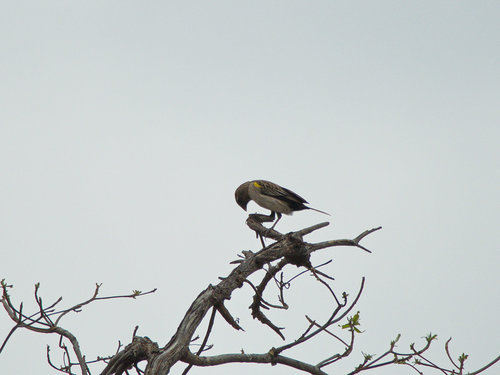
viúva-de-manto-amarelo (Euplectes macroura) viúva-de-manto-amarelo

Mídia

Carregando…

Em resumo

The most reliable field mark between Golden-backed Bishop and Yellow-mantled Widowbird is the male's tail length and the distribution of yellow or golden color on the upperparts in breeding plumage. Yellow-mantled Widowbird males in breeding season show a dramatically long tail and a yellow mantle or shoulder patch, while Golden-backed Bishop males have a golden back but lack the exaggerated tail. Immature and non-breeding birds are much trickier, as both can show yellowish upperparts, but the widowbird's yellow is typically more restricted to the shoulder. Structure and tail shape in flight are key, especially outside the breeding season. Both are similar in size, but context and range can help: Golden-backed Bishop is limited to western Angola and São Tomé, while Yellow-mantled Widowbird is more widespread in West and Central Africa.

Dicas de identificação

  1. Breeding male tail length: Yellow-mantled Widowbird males in breeding season have a dramatically long tail, far longer than the Golden-backed Bishop. If you see a bird with a tail trailing well beyond the body, it's the widowbird.
  2. Breeding male upperparts color: Golden-backed Bishop males have a golden or yellowish back (mantle), while Yellow-mantled Widowbird males show a yellow mantle or shoulder patch; in some races, the mantle is black but the yellow shoulder remains.
  3. Non-breeding and immature males: The widowbird retains a yellow shoulder patch in all male plumages, even when not breeding, which the bishop lacks. Look for this yellow patch on the wing/shoulder area.
  4. Females and juveniles: Both are drab and similar, but the widowbird's yellow shoulder patch in males can sometimes be seen even in young or non-breeding birds. Otherwise, separation is very difficult without range.
  5. Tail shape in flight: Outside of breeding season, tail length is less dramatic, but widowbird males may still show a slightly longer or more graduated tail than bishops. Watch for this in flight.
  6. Geographic range: If you are not in western Angola or São Tomé, you are almost certainly looking at a Yellow-mantled Widowbird. Golden-backed Bishop is highly localized.
  7. Display behavior: In breeding season, widowbird males perform slow, exaggerated display flights with their long tails. Bishop displays are less showy and lack the long tail.
  8. Body size: Both are similar in mass and structure; do not rely on size alone.
  9. Bill shape: No reliable difference is noted in the sources.
  10. Wing pattern in flight: No distinctive juvenile or immature upperwing marks are described for either species; do not rely on wing pattern for separation.
  11. Plumage pitfalls: Both can show yellow on the upperparts, but only the widowbird has a yellow shoulder patch in all male plumages. The bishop's yellow is more extensive on the back but does not form a patch on the shoulder.
  12. Sex differences: Females of both species are similar and lack the bright colors and long tails; use range and context for these birds.
  13. Seasonal changes: Only breeding male widowbirds show the extremely long tail; outside of breeding, tail length is less helpful.
  14. Habitat context: Both use grassy or marshy areas, so habitat within the overlapping range is not diagnostic.
  15. Voice: No diagnostic vocal differences are described in the available sources.

Tamanho

Golden-backed Bishop is slightly heavier (25g vs 22g for Yellow-mantled Widowbird) [wikidata], but this difference is subtle and not apparent in the field. Both are small, chunky weavers. The most striking size-related difference is the breeding male Yellow-mantled Widowbird's extremely long tail, which greatly exceeds the bishop's tail length and alters its proportions, especially in flight. Outside of breeding season or in females/immatures, structural size is not a reliable separator.

Plumagem

In breeding males, Golden-backed Bishop shows a golden or yellowish back (mantle) with the rest of the plumage darker, but the tail remains normal in length. Yellow-mantled Widowbird breeding males have a bright yellow mantle or shoulder patch and a very long tail; in the northeastern race, the mantle can be black, but the yellow shoulder patch remains diagnostic. In non-breeding males and females, both species lose much of the bright color, but the widowbird retains a yellow shoulder patch in all male plumages, which is not present in the bishop. Juvenile and immature plumages are not detailed in the sources, so caution is needed with young birds; focus on the presence or absence of yellow on the shoulder and tail length if visible.

Comportamento

Both species are typical weavers, often seen in flocks, especially outside the breeding season. During display, Yellow-mantled Widowbird males are conspicuous, flying with long tails and slow, exaggerated wingbeats. Golden-backed Bishop males display less dramatically, lacking the elongated tail. Foraging and general behavior are otherwise similar and not reliable for separation.

Habitat

Golden-backed Bishop is restricted to western Angola and São Tomé Island, so any sighting outside these areas is almost certainly Yellow-mantled Widowbird. The widowbird is more widespread across West and Central Africa. Both favor grassy or marshy habitats, but range is the most useful context clue.

Enviar uma descrição melhor

Use as mesmas seções da comparação. Seu texto é publicado na hora.

The most reliable field mark between Golden-backed Bishop and Yellow-mantled Widowbird is the male's tail length and the distribution of yellow or golden color on the upperparts in breeding plumage. Yellow-mantled Widowbird males in breeding season show a dramatically long tail and a yellow mantle or shoulder patch, while Golden-backed Bishop males have a golden back but lack the exaggerated tail. Immature and non-breeding birds are much trickier, as both can show yellowish upperparts, but the widowbird's yellow is typically more restricted to the shoulder. Structure and tail shape in flight are key, especially outside the breeding season. Both are similar in size, but context and range can help: Golden-backed Bishop is limited to western Angola and São Tomé, while Yellow-mantled Widowbird is more widespread in West and Central Africa.

  1. Breeding male tail length: Yellow-mantled Widowbird males in breeding season have a dramatically long tail, far longer than the Golden-backed Bishop. If you see a bird with a tail trailing well beyond the body, it's the widowbird.
  2. Breeding male upperparts color: Golden-backed Bishop males have a golden or yellowish back (mantle), while Yellow-mantled Widowbird males show a yellow mantle or shoulder patch; in some races, the mantle is black but the yellow shoulder remains.
  3. Non-breeding and immature males: The widowbird retains a yellow shoulder patch in all male plumages, even when not breeding, which the bishop lacks. Look for this yellow patch on the wing/shoulder area.
  4. Females and juveniles: Both are drab and similar, but the widowbird's yellow shoulder patch in males can sometimes be seen even in young or non-breeding birds. Otherwise, separation is very difficult without range.
  5. Tail shape in flight: Outside of breeding season, tail length is less dramatic, but widowbird males may still show a slightly longer or more graduated tail than bishops. Watch for this in flight.
  6. Geographic range: If you are not in western Angola or São Tomé, you are almost certainly looking at a Yellow-mantled Widowbird. Golden-backed Bishop is highly localized.
  7. Display behavior: In breeding season, widowbird males perform slow, exaggerated display flights with their long tails. Bishop displays are less showy and lack the long tail.
  8. Body size: Both are similar in mass and structure; do not rely on size alone.
  9. Bill shape: No reliable difference is noted in the sources.
  10. Wing pattern in flight: No distinctive juvenile or immature upperwing marks are described for either species; do not rely on wing pattern for separation.
  11. Plumage pitfalls: Both can show yellow on the upperparts, but only the widowbird has a yellow shoulder patch in all male plumages. The bishop's yellow is more extensive on the back but does not form a patch on the shoulder.
  12. Sex differences: Females of both species are similar and lack the bright colors and long tails; use range and context for these birds.
  13. Seasonal changes: Only breeding male widowbirds show the extremely long tail; outside of breeding, tail length is less helpful.
  14. Habitat context: Both use grassy or marshy areas, so habitat within the overlapping range is not diagnostic.
  15. Voice: No diagnostic vocal differences are described in the available sources.

Golden-backed Bishop is slightly heavier (25g vs 22g for Yellow-mantled Widowbird) [wikidata], but this difference is subtle and not apparent in the field. Both are small, chunky weavers. The most striking size-related difference is the breeding male Yellow-mantled Widowbird's extremely long tail, which greatly exceeds the bishop's tail length and alters its proportions, especially in flight. Outside of breeding season or in females/immatures, structural size is not a reliable separator.

In breeding males, Golden-backed Bishop shows a golden or yellowish back (mantle) with the rest of the plumage darker, but the tail remains normal in length. Yellow-mantled Widowbird breeding males have a bright yellow mantle or shoulder patch and a very long tail; in the northeastern race, the mantle can be black, but the yellow shoulder patch remains diagnostic. In non-breeding males and females, both species lose much of the bright color, but the widowbird retains a yellow shoulder patch in all male plumages, which is not present in the bishop. Juvenile and immature plumages are not detailed in the sources, so caution is needed with young birds; focus on the presence or absence of yellow on the shoulder and tail length if visible.

Both species are typical weavers, often seen in flocks, especially outside the breeding season. During display, Yellow-mantled Widowbird males are conspicuous, flying with long tails and slow, exaggerated wingbeats. Golden-backed Bishop males display less dramatically, lacking the elongated tail. Foraging and general behavior are otherwise similar and not reliable for separation.

Golden-backed Bishop is restricted to western Angola and São Tomé Island, so any sighting outside these areas is almost certainly Yellow-mantled Widowbird. The widowbird is more widespread across West and Central Africa. Both favor grassy or marshy habitats, but range is the most useful context clue.

Descartar as alterações?

Você tem edições não salvas. Se sair agora, elas serão perdidas.

golden-backed bishop · viúva-de-manto-amarelo · Minhas aves difíceis