

Motmot

ズグロオウゴンチョウ 対 キガタホウオウ

Euplectes aureus 対 Euplectes macroura

ズグロオウゴンチョウとキガタホウオウのクイズ

ズグロオウゴンチョウ (Euplectes aureus) ズグロオウゴンチョウ
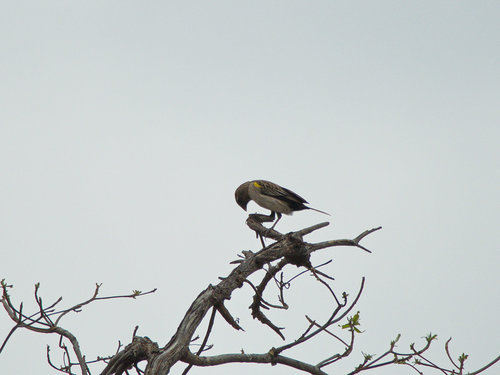
キガタホウオウ (Euplectes macroura) キガタホウオウ

メディア

読み込み中…

要点

ズグロオウゴンチョウとキガタホウオウの最も信頼できるフィールドマークは、オスの尾の長さと繁殖羽衣における上面の黄色または金色の分布です。繁殖期のキガタホウオウのオスは、劇的に長い尾と黄色のマントルまたは肩の斑点を示しますが、ズグロオウゴンチョウのオスは金色の背中を持っていますが、誇張された尾はありません。未成熟および非繁殖の鳥は非常に難しく、両者ともに黄色がかった上面を示すことがありますが、ホウオウの黄色は通常肩により制限されています。飛行中の構造と尾の形は重要であり、特に繁殖期以外ではそうです。両者はサイズが似ていますが、文脈と分布が助けになります:ズグロオウゴンチョウは西アンゴラとサン・トメに限定されているのに対し、キガタホウオウは西アフリカと中央アフリカでより広範囲に分布しています。

識別のコツ

  1. 繁殖オスの尾の長さ:繁殖期のキガタホウオウのオスは、ズグロオウゴンチョウよりもはるかに長い尾を持っています。体を超えて尾が引きずられている鳥を見たら、それはホウオウです。
  2. 繁殖オスの上面の色:ズグロオウゴンチョウのオスは金色または黄色がかった背中(マントル)を持っていますが、キガタホウオウのオスは黄色のマントルまたは肩の斑点を示します;一部の亜種では、マントルは黒ですが、黄色の肩は残ります。
  3. 非繁殖および未成熟のオス:ホウオウはすべてのオスの羽衣で黄色の肩の斑点を保持しており、繁殖していないときでも、ズグロオウゴンチョウにはありません。この黄色の斑点を翼/肩の部分で探してください。
  4. メスと幼鳥:両者は地味で似ていますが、オスのホウオウの黄色の肩の斑点は、若いまたは非繁殖の鳥でも見られることがあります。そうでなければ、分離は範囲なしでは非常に難しいです。
  5. 飛行中の尾の形:繁殖期以外では、尾の長さはそれほど劇的ではありませんが、ホウオウのオスはズグロオウゴンチョウよりもわずかに長いまたはより段階的な尾を示すことがあります。飛行中にこれを観察してください。
  6. 地理的分布:西アンゴラやサン・トメにいない場合、ほぼ確実にキガタホウオウを見ていることになります。ズグロオウゴンチョウは非常に局所的です。
  7. ディスプレイ行動:繁殖期には、ホウオウのオスは長い尾を持ってゆっくりと誇張されたディスプレイ飛行を行います。ズグロオウゴンチョウのディスプレイはそれほど派手ではなく、長い尾がありません。
  8. 体のサイズ:両者は質量と構造が似ているため、サイズだけに頼らないでください。
  9. くちばしの形:信頼できる違いは、情報源には記載されていません。
  10. 飛行中の翼のパターン:いずれの種についても、特有の幼鳥または未成熟の上翼のマークは記載されていません。分離のために翼のパターンに頼らないでください。
  11. 羽衣の落とし穴:両者ともに上面に黄色を示すことがありますが、ホウオウだけがすべてのオスの羽衣で黄色の肩の斑点を持っています。ズグロオウゴンチョウの黄色は背中に広がっていますが、肩に斑点を形成しません。
  12. 性差:両種のメスは似ており、明るい色や長い尾がありません。これらの鳥には範囲と文脈を使用してください。
  13. 季節的変化:繁殖オスのホウオウだけが非常に長い尾を示します;繁殖以外では、尾の長さはあまり役立ちません。
  14. 生息地の文脈:両者は草地や湿地を利用するため、重複する範囲内の生息地は診断的ではありません。
  15. 声:利用可能な情報源には診断的な声の違いは記載されていません。

大きさ

ズグロオウゴンチョウはわずかに重く(25g対22g、キガタホウオウ)[wikidata]、しかしこの違いは微妙で、現場では明らかではありません。両者は小さく、ずんぐりした織り手です。最も顕著なサイズに関連する違いは、繁殖オスのキガタホウオウの非常に長い尾であり、これはズグロオウゴンチョウの尾の長さを大きく超え、特に飛行中にその比率を変えます。繁殖期以外やメス/未成熟の状態では、構造的なサイズは信頼できる分離要因ではありません。

羽色

繁殖オスでは、ズグロオウゴンチョウは金色または黄色がかった背中(マントル)を示し、羽衣の残りは暗くなりますが、尾の長さは通常です。キガタホウオウの繁殖オスは明るい黄色のマントルまたは肩の斑点と非常に長い尾を持っています;北東の亜種では、マントルが黒くなることがありますが、黄色の肩の斑点は診断的です。非繁殖のオスとメスでは、両種ともに明るい色の多くを失いますが、ホウオウはすべてのオスの羽衣で黄色の肩の斑点を保持し、ズグロオウゴンチョウにはありません。幼鳥および未成熟の羽衣については情報源に詳細が記載されていないため、若い鳥には注意が必要です;肩の黄色の有無と尾の長さに焦点を当ててください。

行動

両種は典型的な織り手であり、特に繁殖期以外では群れで見られることがよくあります。ディスプレイ中、キガタホウオウのオスは目立ち、長い尾を持ってゆっくりと誇張された羽ばたきで飛びます。ズグロオウゴンチョウのオスはそれほど劇的にディスプレイせず、長い尾がありません。採餌や一般的な行動はそれ以外は似ており、分離のための信頼できる要因ではありません。

生息環境

ズグロオウゴンチョウは西アンゴラとサン・トメ島に限定されているため、これらの地域の外での目撃はほぼ確実にキガタホウオウです。ホウオウは西アフリカと中央アフリカ全体に広く分布しています。両者は草地や湿地の生息地を好みますが、分布が最も有用な文脈の手がかりです。

より良い説明を送る

比較と同じ項目を使ってください。文章はすぐに公開されます。

The most reliable field mark between Golden-backed Bishop and Yellow-mantled Widowbird is the male's tail length and the distribution of yellow or golden color on the upperparts in breeding plumage. Yellow-mantled Widowbird males in breeding season show a dramatically long tail and a yellow mantle or shoulder patch, while Golden-backed Bishop males have a golden back but lack the exaggerated tail. Immature and non-breeding birds are much trickier, as both can show yellowish upperparts, but the widowbird's yellow is typically more restricted to the shoulder. Structure and tail shape in flight are key, especially outside the breeding season. Both are similar in size, but context and range can help: Golden-backed Bishop is limited to western Angola and São Tomé, while Yellow-mantled Widowbird is more widespread in West and Central Africa.

  1. Breeding male tail length: Yellow-mantled Widowbird males in breeding season have a dramatically long tail, far longer than the Golden-backed Bishop. If you see a bird with a tail trailing well beyond the body, it's the widowbird.
  2. Breeding male upperparts color: Golden-backed Bishop males have a golden or yellowish back (mantle), while Yellow-mantled Widowbird males show a yellow mantle or shoulder patch; in some races, the mantle is black but the yellow shoulder remains.
  3. Non-breeding and immature males: The widowbird retains a yellow shoulder patch in all male plumages, even when not breeding, which the bishop lacks. Look for this yellow patch on the wing/shoulder area.
  4. Females and juveniles: Both are drab and similar, but the widowbird's yellow shoulder patch in males can sometimes be seen even in young or non-breeding birds. Otherwise, separation is very difficult without range.
  5. Tail shape in flight: Outside of breeding season, tail length is less dramatic, but widowbird males may still show a slightly longer or more graduated tail than bishops. Watch for this in flight.
  6. Geographic range: If you are not in western Angola or São Tomé, you are almost certainly looking at a Yellow-mantled Widowbird. Golden-backed Bishop is highly localized.
  7. Display behavior: In breeding season, widowbird males perform slow, exaggerated display flights with their long tails. Bishop displays are less showy and lack the long tail.
  8. Body size: Both are similar in mass and structure; do not rely on size alone.
  9. Bill shape: No reliable difference is noted in the sources.
  10. Wing pattern in flight: No distinctive juvenile or immature upperwing marks are described for either species; do not rely on wing pattern for separation.
  11. Plumage pitfalls: Both can show yellow on the upperparts, but only the widowbird has a yellow shoulder patch in all male plumages. The bishop's yellow is more extensive on the back but does not form a patch on the shoulder.
  12. Sex differences: Females of both species are similar and lack the bright colors and long tails; use range and context for these birds.
  13. Seasonal changes: Only breeding male widowbirds show the extremely long tail; outside of breeding, tail length is less helpful.
  14. Habitat context: Both use grassy or marshy areas, so habitat within the overlapping range is not diagnostic.
  15. Voice: No diagnostic vocal differences are described in the available sources.

Golden-backed Bishop is slightly heavier (25g vs 22g for Yellow-mantled Widowbird) [wikidata], but this difference is subtle and not apparent in the field. Both are small, chunky weavers. The most striking size-related difference is the breeding male Yellow-mantled Widowbird's extremely long tail, which greatly exceeds the bishop's tail length and alters its proportions, especially in flight. Outside of breeding season or in females/immatures, structural size is not a reliable separator.

In breeding males, Golden-backed Bishop shows a golden or yellowish back (mantle) with the rest of the plumage darker, but the tail remains normal in length. Yellow-mantled Widowbird breeding males have a bright yellow mantle or shoulder patch and a very long tail; in the northeastern race, the mantle can be black, but the yellow shoulder patch remains diagnostic. In non-breeding males and females, both species lose much of the bright color, but the widowbird retains a yellow shoulder patch in all male plumages, which is not present in the bishop. Juvenile and immature plumages are not detailed in the sources, so caution is needed with young birds; focus on the presence or absence of yellow on the shoulder and tail length if visible.

Both species are typical weavers, often seen in flocks, especially outside the breeding season. During display, Yellow-mantled Widowbird males are conspicuous, flying with long tails and slow, exaggerated wingbeats. Golden-backed Bishop males display less dramatically, lacking the elongated tail. Foraging and general behavior are otherwise similar and not reliable for separation.

Golden-backed Bishop is restricted to western Angola and São Tomé Island, so any sighting outside these areas is almost certainly Yellow-mantled Widowbird. The widowbird is more widespread across West and Central Africa. Both favor grassy or marshy habitats, but range is the most useful context clue.

変更を破棄しますか?

保存していない編集があります。今離れると失われます。

ズグロオウゴンチョウ · キガタホウオウ · 苦手な鳥