

toutinegra-das-figueiras vs papa-amoras-comum
Sylvia borin versus Curruca communis
Jogue um quiz com toutinegra-das-figueiras e papa-amoras-comum
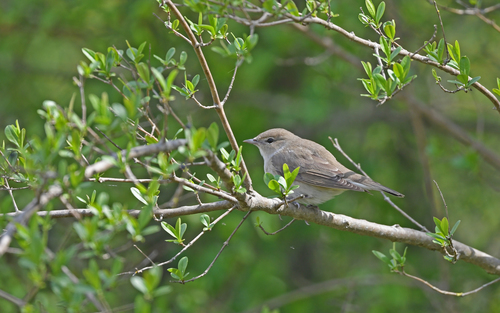 toutinegra-das-figueiras
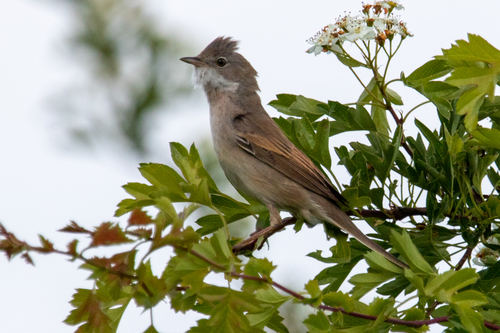 papa-amoras-comum
Em resumo
A maneira mais confiável de separar a toutinegra-das-figueiras da papa-amoras-comum é focando no padrão da cabeça e da garganta: a toutinegra-das-figueiras tem um rosto muito simples e não apresenta contraste forte, enquanto a papa-amoras-comum (especialmente os machos adultos) exibe uma garganta branca distinta e, nos machos, uma cabeça cinza contrastante. As papa-amoras-comum juvenis e fêmeas são mais apagadas, mas ainda mostram uma garganta mais clara em relação ao peito. A toutinegra-das-figueiras é, em geral, mais simples e uniforme, sem contrastes faciais ou de garganta fortes. Ambas as espécies são semelhantes em tamanho e estrutura, mas as sutis diferenças de plumagem, especialmente ao redor da cabeça e da garganta, são fundamentais em campo.
Dicas de identificação
- Contraste da cabeça e da garganta: A toutinegra-das-figueiras sempre parece ter um rosto simples, sem contraste forte entre a garganta e o peito; a papa-amoras-comum (especialmente os machos adultos) mostra uma garganta branca brilhante e, nos machos, uma cabeça cinza. Fêmeas e juvenis ainda têm uma garganta mais clara que o peito, embora menos marcante.
- Padrão facial: A toutinegra-das-figueiras tem um supercílios pálido e fraco e um anel ocular esbranquiçado, mas, de outra forma, um rosto sem características. A papa-amoras-comum não possui um supercílios forte, mas tem uma aparência mais aberta devido à garganta branca e, nos machos, à cabeça cinza.
- Uniformidade da plumagem: A toutinegra-das-figueiras é uniformemente oliva-marrom por cima e branca opaca por baixo, com apenas um leve tom de buff na garganta e flancos. A papa-amoras-comum é marrom por cima e buff por baixo, com franjas castanhas nas penas das asas (visíveis de perto).
- Diferenças sexuais: Os sexos da toutinegra-das-figueiras são idênticos em campo. Os machos da papa-amoras-comum têm uma cabeça cinza e uma garganta branca mais brilhante; fêmeas e juvenis são mais marrons e apagados, mas ainda mostram uma garganta mais clara.
- Confusão juvenil: Os juvenis da toutinegra-das-figueiras são ainda mais simples e cinzentos por cima, com um tom mais buff por baixo, mas não apresentam padrão forte na cabeça ou na garganta. Os juvenis da papa-amoras-comum são apagados, mas ainda mostram uma garganta mais clara que o restante das partes inferiores.
- Padrão das asas: Nenhuma das espécies apresenta barras de asas fortes, painéis ou padrões distintos de asas superiores juvenis. Ambas têm asas simples, portanto, não confie no padrão das asas para separação.
- Cor do bico: A toutinegra-das-figueiras tem um bico forte com a parte superior cinza e a parte inferior mais clara. O bico da papa-amoras-comum não é descrito em detalhes, mas não é uma marca de campo forte para separação.
- Cor das pernas: A toutinegra-das-figueiras tem pernas azuladas e cinzentas, mas isso é sutil e não é uma marca de campo confiável à distância.
- Comportamento: A papa-amoras-comum é mais propensa a empoleirar-se e cantar de galhos expostos; a toutinegra-das-figueiras é mais tímida e permanece em cobertura densa.
- Habitat: A toutinegra-das-figueiras prefere vegetação densa e baixa em florestas abertas; a papa-amoras-comum é mais frequentemente encontrada em arbustos, cercas-vivas e áreas abertas com arbustos.
- Vocalizações: A canção da toutinegra-das-figueiras é rica e melódica; a da papa-amoras-comum é arranhada e repreensiva. Os chamados diferem, mas são menos úteis a menos que sejam bem ouvidos.
- Tamanho e estrutura: Ambas são warblers esguias e de cauda longa de tamanho semelhante; o tamanho não é uma marca de campo confiável.
- Contexto sazonal: Ambas são migratórias e podem se sobrepor em tempo e lugar, mas a papa-amoras-comum é mais provável de ser encontrada em áreas abertas e arbustivas, especialmente durante a migração.
- Armadilhas: A principal confusão surge de fêmeas ou juvenis apagados da papa-amoras-comum, que podem parecer simples, mas mesmo assim, a garganta geralmente é mais clara que o peito. A toutinegra-das-figueiras é sempre simples e não apresenta contraste forte.
- Quando em dúvida: Se o pássaro for extremamente simples, sem contraste óbvio na garganta e sem cinza na cabeça, a toutinegra-das-figueiras é mais provável. Se houver qualquer indício de uma garganta branca ou mais clara, especialmente com uma cabeça cinza (macho), incline-se para a papa-amoras-comum.
Tamanho
Ambas as espécies são warblers pequenas e esguias de tamanho geral semelhante. A toutinegra-das-figueiras é ligeiramente mais pesada (tipicamente 16–22 g, às vezes até 35,5 g antes da migração [wikipedia]) em comparação com a papa-amoras-comum (14,5 g [wikidata]), mas essa diferença não é aparente em campo. Os comprimentos das asas e da cauda também são semelhantes e não são separáveis de forma confiável com binóculos. Não confie apenas no tamanho para distinguir essas espécies.
Plumagem
Os juvenis e adultos da toutinegra-das-figueiras são muito simples, com partes superiores oliva-marrom sem listras e partes inferiores brancas opacas, um supercílios pálido fraco e um leve tom de buff na garganta e flancos. O rosto é uniformemente simples, com apenas um fraco anel ocular, e não há contraste forte entre a garganta e o peito. Os juvenis da toutinegra-das-figueiras são ainda mais claros e cinzentos por cima, com um tom mais buff por baixo, mas permanecem sem características. Em contraste, a papa-amoras-comum (especialmente os machos adultos) mostra uma garganta branca nítida, claramente destacada das partes inferiores buff e uma cabeça cinza, fazendo a garganta se destacar. Fêmeas e juvenis são mais marrons e menos contrastantes, mas ainda têm uma garganta mais clara que é distinta do restante das partes inferiores, e não possuem a cabeça cinza. Ambos os sexos da papa-amoras-comum têm franjas castanhas nas penas das asas, que podem ser visíveis de perto. Nenhuma barra ou painel de asas forte está presente em nenhuma das espécies, e ambas carecem de listras ou barrados óbvios em todas as idades.
Comportamento
Ambas as espécies são ativas, frequentemente furtivas, mas a papa-amoras-comum é mais propensa a empoleirar-se em galhos expostos ou cantar do topo dos arbustos, especialmente os machos. A toutinegra-das-figueiras tende a ficar mais baixa em vegetação densa e é mais secreta, raramente se mostrando em campo aberto por longos períodos. Em voo, ambas parecem esguias e de cauda longa, mas as diferenças comportamentais são sutis e nem sempre confiáveis para identificação.
Habitat
A toutinegra-das-figueiras prefere florestas abertas com cobertura densa e baixa e é menos provável de ser encontrada em jardins, apesar do seu nome. Ela prefere áreas com vegetação densa para nidificação. A papa-amoras-comum é mais frequentemente encontrada em arbustos, cercas-vivas e áreas arbustivas, incluindo campos de grama áspera e, às vezes, jardins, especialmente durante a migração. A sobreposição ocorre, mas a papa-amoras-comum é mais tolerante a habitats abertos e arbustivos.
Voz
A canção da toutinegra-das-figueiras é rica e melódica, um pouco semelhante à do chapim-preto, com uma qualidade fluida e trêmula. A canção da papa-amoras-comum é mais rápida, arranhada e mais repreensiva, com um chamado rouco, ligeiramente nasal, e um grito de aviso áspero. Essas diferenças vocais são úteis quando os pássaros estão cantando, mas ambas as espécies podem ficar em silêncio ou dar apenas chamados breves, especialmente fora da temporada de reprodução.
toutinegra-das-figueiras · papa-amoras-comum · Minhas aves difíceis