

milheirinha-europeia vs lugre
Serinus serinus versus Spinus spinus
Jogue um quiz com milheirinha-europeia e lugre
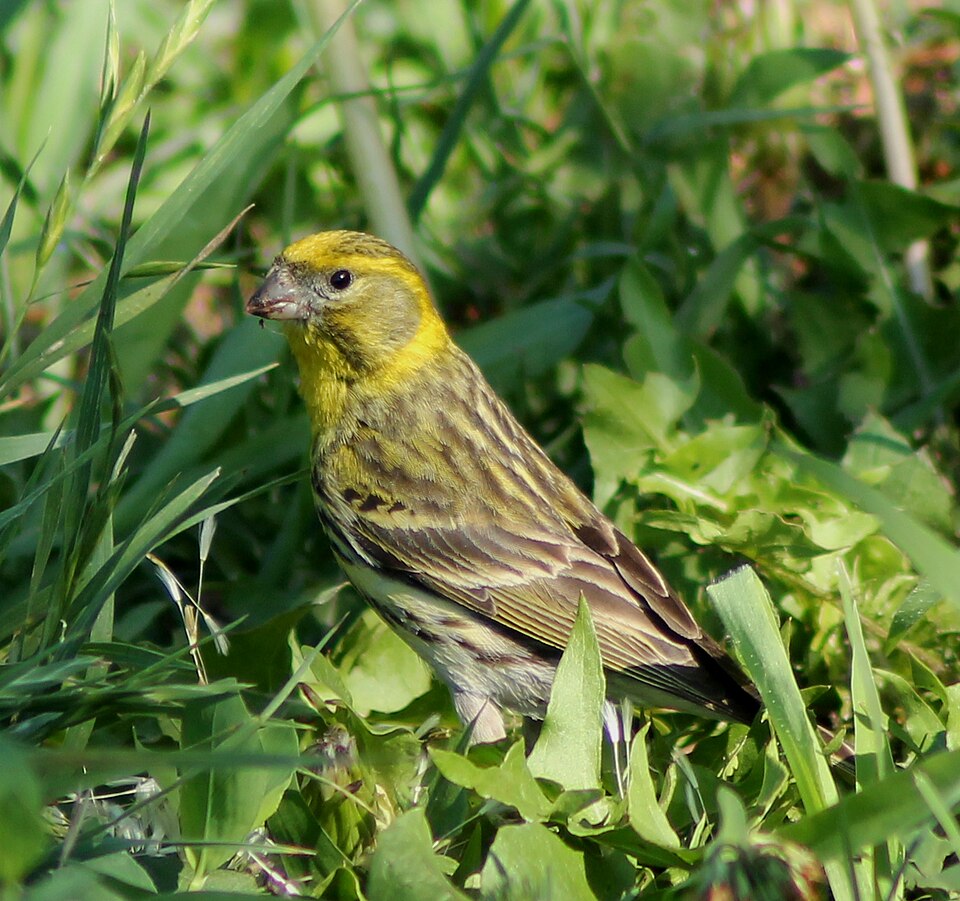 milheirinha-europeia
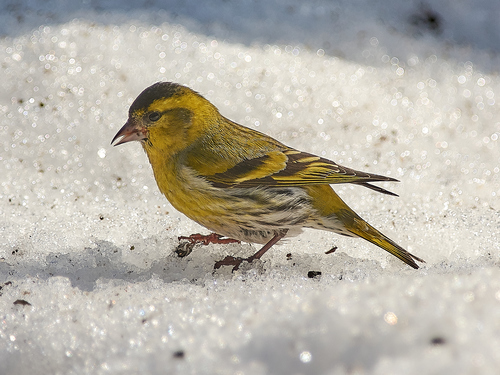 lugre
Em resumo
A marca de campo mais confiável para separar a milheirinha-europeia do lugre é a presença de uma touca e um babador pretos nos machos adultos de lugre, que a milheirinha-europeia nunca apresenta. Ambos são pequenos, pintalgados, com amarelo na plumagem, mas os machos de lugre têm uma touca e um babador pretos marcantes, enquanto as milheirinhas-europeias têm um rosto e um peito amarelos simples com listras pesadas. Em voo, os lugres mostram uma faixa amarela ousada nas asas e lados amarelos na cauda, enquanto as milheirinhas-europeias têm barras amarelas nas asas, mas carecem do contraste preto e amarelo do lugre. Juvenis e fêmeas de ambas as espécies podem ser confusas, mas as milheirinhas-europeias são mais compactas e de cauda curta, com uma aparência listrada mais uniforme e menos contraste nas asas. Atenção cuidadosa ao padrão da cabeça, marcas das asas e a aparência geral geralmente confirmará a identificação.
Dicas de identificação
- O macho adulto de lugre tem uma touca e um babador pretos—a milheirinha-europea nunca mostra preto na cabeça ou na garganta. Esta é a marca mais confiável.
- A milheirinha-europea é mais compacta e de cauda curta do que o lugre, com uma cauda curta e menos bifurcada—especialmente óbvio quando empoleirada.
- O lugre mostra uma faixa amarela ousada nas asas pretas (todas as idades), enquanto a milheirinha-europea tem apenas barras amarelas nas asas menos contrastantes.
- Em voo, a cauda do lugre é preta com lados amarelos; a milheirinha-europea tem amarelo nos lados da cauda, mas a cauda é mais curta e menos contrastante.
- As partes inferiores da milheirinha-europea são fortemente listradas (todas as idades), especialmente no peito e flancos; o lugre é menos listrado embaixo, especialmente nos machos adultos, que podem parecer quase sem listras na garganta e no peito.
- As fêmeas e juvenis de lugre têm um supercílio amarelado e uma barriga mais clara e menos listrada, enquanto as milheirinhas-europeas têm um rosto e partes inferiores mais uniformes e listradas, sem um supercílio claro.
- Os machos da milheirinha-europea têm um rosto e peito amarelos brilhantes, mas sem touca ou babador pretos; os machos de lugre têm ambos, além de um contraste amarelo e preto mais definido.
- A forma do bico é sutilmente diferente: o bico do lugre é esguio e ligeiramente curvado, adaptado para extrair sementes de pinhas; o bico da milheirinha-europea é mais curto e mais robusto.
- O lugre é mais propenso a ser visto se alimentando acrobaticamente nas árvores, especialmente em álamo ou abeto; a milheirinha-europea é mais frequentemente encontrada forrageando mais baixo, em arbustos ou no chão.
- Escute o canto: a milheirinha-europea emite um zumbido rápido, semelhante a um inseto; o lugre canta uma série mais musical e variada de trilos e piados.
- O habitat pode ajudar: o lugre prefere florestas de coníferas ou mistas; a milheirinha-europea é mais típica de florestas abertas, terras agrícolas ou jardins com árvores dispersas.
- Composição do bando: em bandos mistos, o lugre é frequentemente a espécie mais numerosa e acessível no norte/centro da Europa; a milheirinha-europea é mais comum no sul.
- Confusão juvenil: os juvenis de ambas as espécies são listrados e opacos, mas a faixa do lugre é sempre mais larga e marcante, e o rosto é menos uniforme do que o da milheirinha-europea.
- Contexto sazonal: o lugre é mais propenso a irromper em grandes números no inverno, especialmente em anos com colheitas ruins de pinhas; a milheirinha-europea é mais residente no sul, com apenas populações do norte migrando.
- Se em dúvida, concentre-se no padrão da cabeça e nas marcas das asas: a presença ou ausência de uma touca preta e a largura/contraste da faixa amarela das asas são as marcas de campo mais seguras em todos, exceto nos juvenis mais opacos.
Tamanho
Ambas as espécies são semelhantes em comprimento (11–12,5 cm para o lugre, 11–12 cm para a milheirinha-europea), mas o lugre é ligeiramente mais pesado (média de 13,8g contra não listado para a milheirinha-europea, mas a milheirinha-europea é o menor fringilídeo europeu). No campo, a milheirinha-europea muitas vezes parece ainda mais compacta e de cauda curta do que o lugre. O lugre pode parecer um pouco mais longo nas asas e menos robusto, especialmente em voo.
Plumagem
-
Plumagem juvenil e feminina: Ambas as espécies são listradas e amareladas, mas as fêmeas e juvenis de lugre são mais oliva na parte superior, com um amarelo menos vibrante e uma barriga mais clara e menos listrada. A milheirinha-europea de todas as idades é mais fortemente listrada embaixo, especialmente no peito e flancos, e tem um rosto mais opaco e uniforme, sem touca ou babador. Os juvenis e fêmeas de lugre não têm a touca e o babador pretos, mas ainda mostram um supercílio amarelado e uma faixa amarela nas asas, que é mais larga e marcante do que as barras da milheirinha-europea.
-
Plumagem do macho adulto: Os machos de lugre são inconfundíveis com uma touca e um babador pretos, rosto amarelo brilhante e uma faixa amarela ousada nas asas pretas. Os machos da milheirinha-europea têm um rosto e peito amarelos brilhantes, barras amarelas nas asas e lados amarelos na cauda, mas não têm preto na cabeça ou na garganta. A listragem da milheirinha-europea é mais pesada e mais extensa embaixo.
-
Visões de voo: O lugre mostra um forte contraste entre as asas pretas e a faixa amarela, e cauda preta com lados amarelos. As asas da milheirinha-europea são menos contrastantes, com barras amarelas, mas não uma faixa sólida, e a cauda é mais curta e menos profundamente bifurcada.
Comportamento
Ambas as espécies são ativas, sociais e frequentemente vistas em bandos, especialmente fora da temporada de reprodução. Os lugres são alimentadores acrobáticos, frequentemente pendurados de cabeça para baixo em pinhas ou catkins, e são mais propensos a serem vistos se alimentando alto nas árvores. As milheirinhas-europeas também são ativas, mas tendem a forragear mais baixo, frequentemente em arbustos ou no chão. Ambas as espécies são conspícuas e não especialmente tímidas, mas os lugres podem ser mais confiáveis e acessíveis em bandos mistos.
Habitat
O lugre prefere florestas de coníferas e mistas, especialmente onde há álamo e abeto, e é comum em grande parte da Europa e Eurosibéria. A milheirinha-europea prefere florestas abertas, áreas cultivadas e lugares com algumas coníferas, mas é mais típica do sul e centro da Europa e do Norte da África. No inverno, ambas podem ser encontradas em uma variedade de habitats, mas o lugre é mais provável de ser encontrado em florestas densas ou parques com árvores maduras, enquanto a milheirinha-europea é mais frequentemente encontrada em áreas abertas ou semi-abertas.
Voz
O canto da milheirinha-europea é um trinado rápido e zumbidor, frequentemente comparado a uma moeda girando ou a um chocalho semelhante a um inseto. O canto do lugre é uma mistura agradável de piados e trinos, mais musical e variada do que o zumbido monótono da milheirinha-europea. Os chamados também são diferentes: a milheirinha-europea emite um 'tsee' agudo e alto, enquanto o lugre tem um chamado mais suave e trinado. Em bandos mistos, a voz pode ser uma pista útil.