

Motmot

セリン 対 マヒワ

Serinus serinus 対 Spinus spinus

セリンとマヒワのクイズ
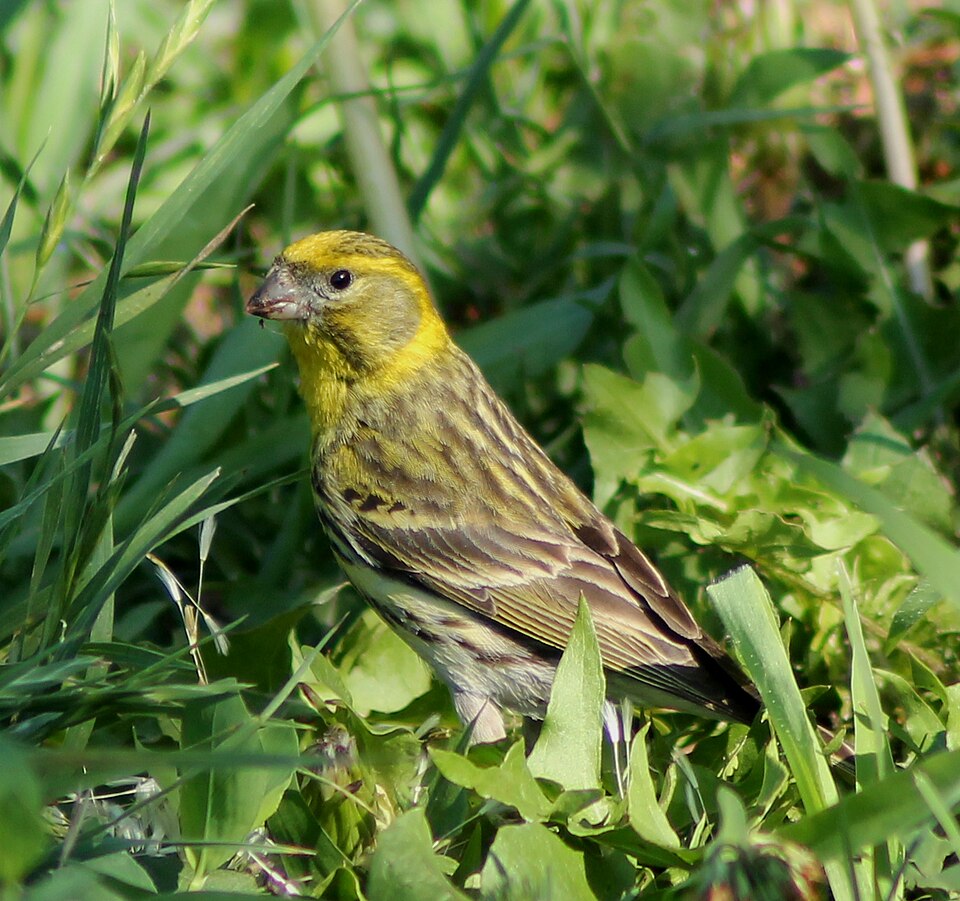
セリン (Serinus serinus) セリン
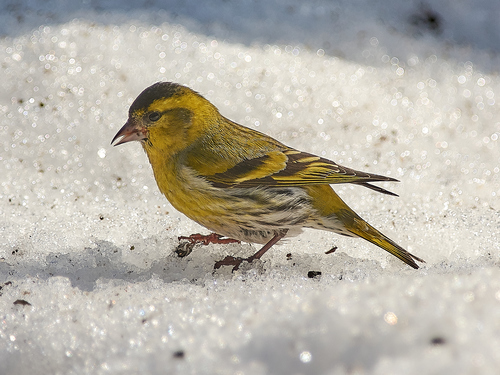
マヒワ (Spinus spinus) マヒワ

メディア

読み込み中…

要点

ヨーロッパセリンとマヒワを区別する最も信頼できるフィールドマークは、成鳥のオスのマヒワに見られる黒い帽子とビブの存在であり、セリンには決して見られません。どちらも小さく、縞模様のあるフィンチで、羽毛に黄色が含まれていますが、マヒワのオスは目を引く黒い帽子とビブを持ち、セリンは重い縞模様のある平坦な黄色の顔と胸を持っています。飛行中、マヒワは大胆な黄色の翼のストライプと尾の黄色い側面を示しますが、セリンは黄色の翼のバーを持っていますが、マヒワの黒と黄色のコントラストは欠けています。両種の幼鳥と雌は混乱を招くことがありますが、セリンはよりコンパクトで短い尾を持ち、より均一な縞模様の外観と翼のコントラストが少ないです。頭のパターン、翼のマーキング、全体的な印象に注意を払うことで、通常は識別が確実になります。

識別のコツ

  1. 成鳥のオスのマヒワは黒い帽子とビブを持つ—セリンは頭や喉に黒を示すことはありません。これは最も信頼できるマークです。
  2. セリンはマヒワよりもコンパクトで短い尾を持つ、特に止まっているときに明らかです。
  3. マヒワは黒い翼に大胆な黄色の翼のストライプを示す(すべての年齢)、一方セリンは鈍い、コントラストの少ない翼に黄色の翼のバーしか持っていません。
  4. 飛行中、マヒワの尾は黒で黄色の側面を持つ; セリンは尾の側面に黄色がありますが、尾は短く、コントラストが少ないです。
  5. セリンの腹部は重い縞模様がある(すべての年齢)、特に胸と側面に; マヒワは下側があまり縞模様がなく、特に成鳥のオスは喉と胸がほぼ無縞に見えることがあります。
  6. 雌と幼鳥のマヒワは黄色がかったスーパーシリウムを持ち、より淡い、縞模様の少ない腹部を持っていますが、セリンは明確なスーパーシリウムなしでより均一な縞模様の顔と腹部を持っています。
  7. セリンのオスは明るい黄色の顔と胸を持つが、黒い帽子やビブはありません; マヒワのオスは両方を持ち、よりシャープに定義された黄色と黒のコントラストがあります。
  8. くちばしの形は微妙に異なる: マヒワのくちばしは細長く、わずかに下向きで、円錐から種を取り出すために適応しています; セリンのくちばしは短く、より太いです。
  9. マヒワは木の中でアクロバティックに餌を食べるのが見られる可能性が高い、特にハンノキやトウヒの上で; セリンはより低い位置で、しばしば低木や地面で餌を探すことが多いです。
  10. 歌を聞いてください: セリンは急速で昆虫のようなブンブン音を出します; マヒワはより音楽的で多様なトリルとツイッターのシリーズを歌います。
  11. 生息地が役立つことがある: マヒワは針葉樹林や混合林を好みます; セリンは開けた森林、農地、または散在する木々のある庭がより典型的です。
  12. 群れの構成: 混合群れでは、マヒワは北部/中央ヨーロッパでより数が多く、近づきやすい種であることが多い; セリンは南部でより一般的です。
  13. 幼鳥の混乱: 両種の幼鳥は縞模様があり鈍いですが、マヒワの翼のストライプは常により広く、目立ち、顔はセリンのものよりも均一ではありません。
  14. 季節的な文脈: マヒワは特に円錐の作物が不作の年に冬に大量に出現する可能性が高い; セリンは南部により定住しており、北部の個体群のみが移動します。
  15. 疑わしい場合は、頭のパターンと翼のマーキングに焦点を当ててください: 黒い帽子の有無と黄色の翼のストライプの幅/コントラストは、最も鈍い幼鳥を除いて、最も安全なフィールドマークです。

大きさ

両種は長さが似ています(マヒワは11〜12.5 cm、セリンは11〜12 cm)が、マヒワはわずかに重いです(平均13.8g対セリンは未記載ですが、セリンは最小のヨーロッパのフィンチです)。フィールドでは、セリンはしばしばマヒワよりもさらにコンパクトで短い尾に見えます。マヒワは特に飛行中に、やや長い翼を持ち、より太く見えることがあります。

羽色

行動

両種は活発で社交的で、特に繁殖期以外は群れで見られることが多いです。マヒワはアクロバティックな餌を食べることが多く、円錐や花穂から逆さまにぶら下がることがよくあり、高い木の中で餌を食べるのが見られる可能性が高いです。セリンも活発ですが、より低い位置で餌を探す傾向があり、しばしば低木や地面で見られます。両種は目立ち、特に恥ずかしがり屋ではありませんが、マヒワは混合群れの中でより信頼され、近づきやすいかもしれません。

生息環境

マヒワは針葉樹林や混合林を好み、特にハンノキやトウヒが存在する場所で、ヨーロッパやユーロシベリアの広い範囲で一般的です。セリンは開けた森林、耕作地、いくつかの針葉樹がある場所を好みますが、南部および中央ヨーロッパと北アフリカでより典型的です。冬には、両種はさまざまな生息地で見られますが、マヒワは成熟した木のある密な森林や公園で見られる可能性が高く、セリンはより開けたまたは半開けた地域で見られることが多いです。

声

セリンの歌は急速でブンブン音のトリルで、しばしば回転するコインや昆虫のような rattling に例えられます。マヒワの歌はツイートとトリルの心地よいミックスで、セリンの単調なブンブン音よりも音楽的で多様です。呼び声も異なります: セリンは鋭く高音の 'tsee' を出し、マヒワは柔らかくツイッター音の呼び声を持っています。混合群れでは、声が有用な手がかりになることがあります。

より良い説明を送る

比較と同じ項目を使ってください。文章はすぐに公開されます。

The most reliable field mark to separate European Serin from Eurasian Siskin is the presence of a black cap and bib in adult male Siskins, which Serins never show. Both are small, streaky finches with yellow in the plumage, but Siskin males have a striking black cap and bib, while Serins have a plain yellow face and breast with heavy streaking. In flight, Siskins show a bold yellow wing stripe and yellow sides to the tail, while Serins have yellow wing bars but lack the Siskin's black-and-yellow contrast. Juveniles and females of both species can be confusing, but Serins are more compact and short-tailed, with a more uniform streaky appearance and less contrast in the wings. Careful attention to head pattern, wing markings, and overall jizz will usually clinch the ID.

  1. Adult male Siskin has a black cap and bib—Serin never shows any black on the head or throat. This is the single most reliable mark.
  2. Serin is more compact and short-tailed than Siskin, with a stubby, less forked tail—especially obvious when perched.
  3. Siskin shows a bold yellow wing stripe on black wings (all ages), while Serin only has yellow wing bars on duller, less contrasting wings.
  4. In flight, Siskin's tail is black with yellow sides; Serin has yellow on the tail sides but the tail is shorter and less contrasting.
  5. Serin's underparts are heavily streaked (all ages), especially on the breast and flanks; Siskin is less streaked below, especially in adult males, which can appear almost unstreaked on the throat and breast.
  6. Female and juvenile Siskins have a yellowish supercilium and a paler, less streaked belly, while Serins have a more uniform, streaky face and underparts without a clear supercilium.
  7. Serin males have a bright yellow face and breast, but no black cap or bib; Siskin males have both, plus a more sharply defined yellow and black contrast.
  8. Bill shape is subtly different: Siskin's bill is slender and slightly decurved, adapted for extracting seeds from cones; Serin's bill is shorter and stubbier.
  9. Siskin is more likely to be seen feeding acrobatically in trees, especially on alder or spruce; Serin is more often foraging lower, in shrubs or on the ground.
  10. Listen for the song: Serin gives a rapid, insect-like buzz; Siskin sings a more musical, varied series of trills and twitters.
  11. Habitat can help: Siskin prefers coniferous or mixed woodland; Serin is more typical of open woodland, farmland, or gardens with scattered trees.
  12. Flock composition: In mixed flocks, Siskin is often the more numerous and approachable species in northern/central Europe; Serin is more common in the south.
  13. Juvenile confusion: Both species' juveniles are streaky and dull, but Siskin's wing stripe is always broader and more striking, and the face is less uniform than Serin's.
  14. Seasonal context: Siskin is more likely to irrupt in large numbers in winter, especially in years with poor cone crops; Serin is more resident in the south, with only northern populations migrating.
  15. If in doubt, focus on head pattern and wing markings: The presence or absence of a black cap and the width/contrast of the yellow wing stripe are the safest field marks in all but the dullest juveniles.

Both species are similar in length (11–12.5 cm for Siskin, 11–12 cm for Serin), but Siskin is slightly heavier (average 13.8g vs. unlisted for Serin, but Serin is the smallest European finch). In the field, Serin often appears even more compact and short-tailed than Siskin. Siskin may look a bit longer-winged and less stubby, especially in flight.

  • Juvenile and female plumage: Both species are streaky and yellowish, but Siskin females and juveniles are more olive-toned above, with a less vibrant yellow and a paler, less streaked belly. Serin of all ages is more heavily streaked below, especially on the breast and flanks, and has a duller, more uniform face without a cap or bib. Siskin juveniles and females lack the black cap and bib, but still show a yellowish supercilium and a yellow wing stripe, which is broader and more striking than Serin's wing bars.

  • Adult male plumage: Siskin males are unmistakable with a black cap and bib, bright yellow face, and a bold yellow wing stripe on black wings. Serin males have a plain, bright yellow face and breast, yellow wing bars, and yellow tail sides, but lack any black on the head or throat. Serin's streaking is heavier and more extensive below.

  • Flight views: Siskin shows a strong contrast between black wings and yellow wing stripe, and black tail with yellow sides. Serin's wings are less contrasting, with yellow wing bars but not a solid stripe, and the tail is shorter and less deeply forked.

Both species are active, social, and often seen in flocks, especially outside the breeding season. Siskins are acrobatic feeders, frequently hanging upside down from cones or catkins, and are more likely to be seen feeding high in trees. Serins are also active but tend to forage lower, often in shrubs or on the ground. Both species are conspicuous and not especially shy, but Siskins may be more trusting and approachable in mixed flocks.

Siskin favors coniferous and mixed woodland, especially where alder and spruce are present, and is common across much of Europe and Eurosiberia. Serin prefers open woodland, cultivated areas, and places with some conifers, but is more typical of southern and central Europe and North Africa. In winter, both can be found in a variety of habitats, but Siskin is more likely in dense woodland or parks with mature trees, while Serin is more often in open or semi-open areas.

Serin's song is a rapid, buzzing trill, often compared to a spinning coin or insect-like rattle. Siskin's song is a pleasant mix of tweets and trills, more musical and varied than Serin's monotonous buzz. Calls are also different: Serin gives a sharp, high-pitched 'tsee', while Siskin has a softer, twittering call. In mixed flocks, voice can be a useful clue.

変更を破棄しますか?

保存していない編集があります。今離れると失われます。

セリン · マヒワ · 苦手な鳥