

chapim-azul vs chapim-real
Cyanistes caeruleus versus Parus major
Jogue um quiz com chapim-azul e chapim-real
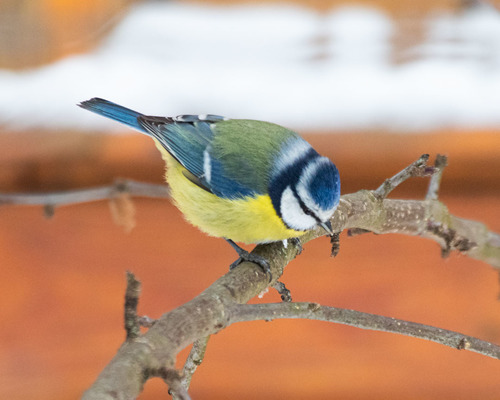 chapim-azul
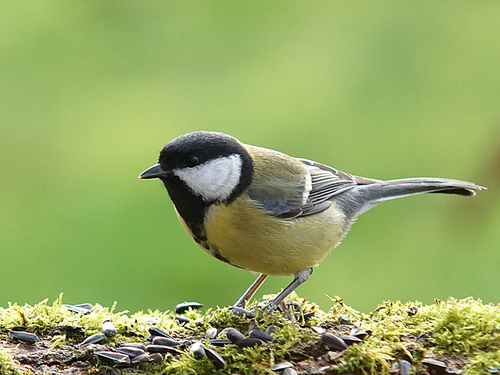 chapim-real
Em resumo
A marca de campo mais confiável para separar o chapim-azul do chapim-real é o tamanho geral e a presença de tons azuis: o chapim-azul é visivelmente menor e com uma coroa azul mais brilhante, com um rosto branco limpo e asas azuis, enquanto o chapim-real é mais robusto, com cabeça preta, bochechas brancas e uma faixa central preta ousada descendo por partes inferiores amarelas brilhantes. Os filhotes de chapim-azul são mais amarelados e menos contrastantes, mas ainda mostram azul nas asas e na coroa, ao contrário do filhote de chapim-real, que tem um tom oliva. Em voo ou à distância, o corpo maior do chapim-real, a cabeça mais larga e o bico mais pesado se destacam, assim como a faixa preta mais larga na barriga. Ambas as espécies compartilham uma forma básica de chapim e alguns comportamentos, mas a atenção cuidadosa à cor e à estrutura resolverá a maioria das confusões, mesmo com aves imaturas.
Dicas de identificação
- Tamanho e estrutura: O chapim-real é muito maior e mais pesado, com um corpo mais robusto, pescoço mais grosso e bico mais forte. O chapim-azul é menor, mais compacto e tem um bico mais fino. Esta é frequentemente a pista de campo mais rápida, especialmente se ambos estiverem presentes.
- Cor da coroa: O chapim-azul sempre mostra uma coroa azul brilhante, mesmo em filhotes (embora mais apagada em aves jovens). O chapim-real tem uma coroa e nuca pretas em todas as plumagens.
- Padrão facial: O chapim-azul tem um rosto branco com uma linha azul escura através do olho e contornando as bochechas, criando uma aparência limpa e mascarada. O chapim-real tem uma cabeça preta com grandes manchas brancas nas bochechas, dando uma aparência mais ousada e contrastante.
- Faixa na barriga: O chapim-real mostra uma faixa preta larga e sólida que vai da garganta até a barriga e o ânus. Nos machos, essa faixa é mais larga e mais sólida; nas fêmeas, é mais estreita e pode ser interrompida. O chapim-azul tem, no máximo, uma fina linha escura na barriga, nunca uma faixa preta larga.
- Cor das partes superiores: O chapim-azul tem asas e cauda azuis, e um dorso amarelo-esverdeado. O chapim-real tem partes superiores verde-oliva, com asas e cauda azuladas e cinzentas, mas nunca o azul intenso do chapim-azul.
- Faixa nas asas: Ambas as espécies têm uma faixa branca nas asas, mas a do chapim-azul é mais nítida e se destaca contra o azul, enquanto a do chapim-real é menos distinta e se insere em um contexto mais verde-oliva.
- Plumagem juvenil: Os filhotes de chapim-azul são mais amarelados em geral, com azul mais apagado nas asas e na coroa, mas ainda mostram tons de azul. Os filhotes de chapim-real são oliva-marrom por cima, com partes inferiores amarelas apagadas, uma faixa preta na barriga menos distinta e sem azul na plumagem.
- Cor e forma do bico: O chapim-azul tem um bico fino e preto; o bico do chapim-real é mais robusto e também preto, mas parece mais pesado de perfil.
- Cor das pernas: O chapim-azul tem pernas azuladas e cinzentas; as pernas do chapim-real são acinzentadas, mas isso raramente é diagnóstico em campo.
- Comportamento em comedouros: Os chapins-reais são mais dominantes e podem afastar os chapins-azuis; os chapins-azuis são mais ágeis e acrobáticos, muitas vezes pendurados de cabeça para baixo.
- Estilo de forrageio: Os chapins-azuis são mais propensos a investigar brotos e cascas, raramente se alimentando no chão. Os chapins-reais forrageiam em todos os níveis, incluindo o chão, e parecem mais deliberados.
- Diferenças sexuais: No chapim-real, os machos têm uma faixa na barriga mais larga e sólida; a faixa das fêmeas é mais estreita e às vezes interrompida. O chapim-azul mostra pouco dimorfismo sexual a olho nu.
- Variação sazonal: Os filhotes de chapim-azul são mais apagados e amarelados, mas ainda mostram tons de azul; os filhotes de chapim-real são mais oliva e não têm azul. Ambas as espécies trocam para plumagem semelhante à dos adultos no final do verão/outono.
- Armadilhas: Em luz fraca, o azul do chapim-azul pode parecer apagado, e a cabeça preta do chapim-real pode parecer menos intensa. Os filhotes de chapim-azul podem ser confundidos com o chapim-real se os tons de azul forem perdidos, mas a falta de uma faixa preta larga na barriga e a presença de azul nas asas/coroa são fundamentais.
- Contexto: Ambas as espécies costumam ocorrer juntas, então a comparação direta é possível. Se apenas uma estiver presente, confie na estrutura, na cor da coroa e na faixa na barriga como as marcas de campo mais confiáveis.
Tamanho
O chapim-real é significativamente maior e mais pesado que o chapim-azul. O chapim-azul tem uma massa corporal média de cerca de 11,8g e mede de 10,5 a 12 cm de comprimento, enquanto o chapim-real tem uma média de 18,5g e mede de 12,5 a 14 cm. Em campo, o chapim-real parece mais robusto, com uma cabeça proporcionalmente maior e um pescoço mais grosso, e um bico mais forte. O chapim-azul é mais pequeno e compacto, com um bico mais fino e uma aparência mais delicada e ágil. Essas diferenças de tamanho são geralmente óbvias quando ambas as espécies são vistas juntas, mas mesmo individualmente, a estrutura robusta do chapim-real é aparente.
Plumagem
Os filhotes de chapim-azul são mais amarelados em geral, com menos contraste e azul mais apagado nas asas e na coroa em comparação com os adultos, mas ainda mostram uma coroa e asas azuis, diferenciando-se dos filhotes de chapim-real, que são mais oliva-marrom e não têm tons de azul. Os filhotes de chapim-real têm nucas e pescoços oliva-marrom apagados, rumps acinzentados e caudas mais cinzentas, com pontas brancas menos definidas, e suas partes inferiores são amarelas mais pálidas com uma faixa preta na barriga menos distinta. Os adultos de chapim-azul têm uma coroa intensamente azul, asas e cauda azuis, bochechas brancas e partes inferiores amarelas com uma fina linha escura na barriga. Os chapins-reais (adultos) mostram uma cabeça preta, bochechas brancas, partes inferiores amarelas brilhantes com uma ampla faixa central preta e dorsos verde-oliva. As fêmeas de chapim-real são mais apagadas que os machos, com uma faixa na barriga mais estreita e às vezes interrompida. Os chapins-azuis estão sempre com a coroa azul e nunca mostram a cabeça preta sólida ou a faixa preta larga na barriga do chapim-real. Ambas as espécies têm faixas brancas nas asas, mas a do chapim-azul é mais nítida e contrasta com o azul, enquanto a do chapim-real está inserida em um contexto mais verde-oliva.
Comportamento
Ambas as espécies são forrageadoras ativas e acrobáticas, muitas vezes penduradas de cabeça para baixo em árvores e arbustos. Os chapins-azuis são mais propensos a investigar brotos e cascas, raramente forrageando no chão, e frequentemente se alimentam enquanto estão pendurados. Os chapins-reais são mais versáteis, forrageando em todos os níveis, incluindo o chão, e podem parecer mais deliberados e menos frenéticos do que os chapins-azuis. Em comedouros, os chapins-reais dominam os chapins-azuis devido ao seu tamanho maior e comportamento mais assertivo. Ambas as espécies visitarão mesas para aves, mas os chapins-azuis são mais propensos a pegar sementes pequenas e realizar manobras acrobáticas.
Habitat
Ambas as espécies são amplamente distribuídas e comuns em florestas, jardins e parques em toda a Europa. Os chapins-azuis estão ligeiramente mais associados a florestas decíduas e jardins suburbanos, enquanto os chapins-reais são encontrados em uma gama mais ampla de habitats florestais, incluindo florestas de coníferas e áreas mais abertas. Na prática, suas distribuições e habitats se sobrepõem extensivamente, então o habitat sozinho não é um separador confiável.