

toutinegra-de-barrete vs estrelinha-de-poupa
Sylvia atricapilla versus Regulus regulus
Jogue um quiz com toutinegra-de-barrete e estrelinha-de-poupa
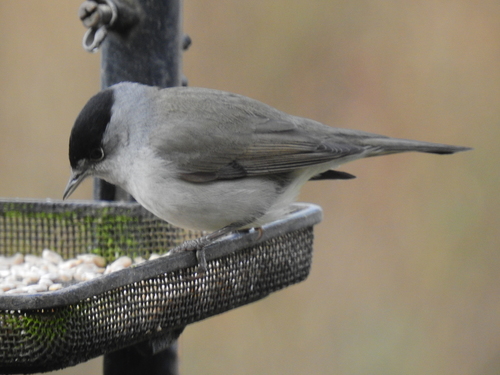 toutinegra-de-barrete
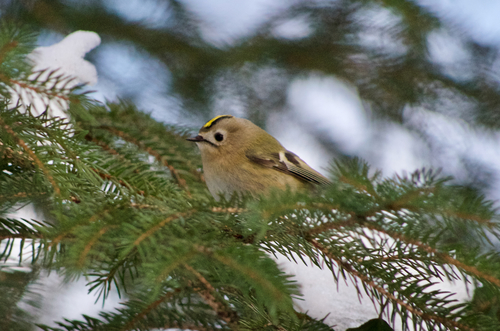 estrelinha-de-poupa
Em resumo
A marca de campo mais confiável entre toutinegra-de-barrete e estrelinha-de-poupa é a presença de uma mancha de cor vibrante na coroa da estrelinha-de-poupa (amarela com centro laranja nos machos, amarela nas fêmeas), que está ausente na toutinegra-de-barrete. As estrelinhas-de-poupa juvenis não têm a crista colorida, mas ainda mostram duas faixas brancas nas asas, enquanto as toutinegras-de-barrete nunca mostram faixas nas asas em nenhuma idade. Os machos da toutinegra-de-barrete têm uma touca preta bem definida, fêmeas e juvenis têm uma touca marrom-rúfia, mas nunca a crista brilhante e contornada da estrelinha-de-poupa. A estrelinha-de-poupa é muito menor, mais ativa e apresenta um rosto simples com um bico pequeno e fino, enquanto a toutinegra-de-barrete é maior, com uma aparência mais robusta de warbler e uma aparência simples, cinza-oliva. Em voo ou empoleirada, concentre-se no padrão da cabeça e nas faixas das asas para uma separação rápida.
Dicas de identificação
- Padrão da Cabeça (Todas as Idades): A estrelinha-de-poupa sempre mostra uma crista colorida (amarela/laranja nos machos, amarela nas fêmeas) contornada por preto, ou uma coroa simples em juvenis. A toutinegra-de-barrete tem uma touca preta bem definida (macho) ou marrom-rúfia (fêmea/juvenil) em uma cabeça cinza simples, nunca uma crista ou borda preta.
- Faixas nas Asas (Todas as Idades): A estrelinha-de-poupa tem duas faixas brancas claras em cada asa, visíveis em todas as plumagens e especialmente óbvias em voo ou quando empoleirada. A toutinegra-de-barrete nunca mostra faixas nas asas em nenhuma idade.
- Tamanho e Estrutura: A estrelinha-de-poupa é muito menor (metade do comprimento e menos da metade do peso da toutinegra-de-barrete), com um bico pequeno e fino e um corpo compacto e arredondado. A toutinegra-de-barrete é um warbler de tamanho médio, com uma cauda mais longa e uma forma mais robusta e alongada.
- Forma do Bico: O bico da estrelinha-de-poupa é muito curto, fino e semelhante a uma agulha, adequado para pegar insetos de agulhas. A toutinegra-de-barrete tem um bico de warbler mais longo e robusto.
- Padrão do Rosto: A estrelinha-de-poupa tem um rosto simples com íris pretas e sem anel ocular ou supercílios. A toutinegra-de-barrete também tem um rosto simples, mas é destacada pela touca contrastante; nunca mostra uma crista ou coroa contornada em preto.
- Cauda: A estrelinha-de-poupa tem uma cauda curta e quadrada, frequentemente agitada. A cauda da toutinegra-de-barrete é mais longa e mais escura, com bordas oliva.
- Partes Superiores: Ambas são cinza-oliva/verde acima, mas a estrelinha-de-poupa é mais brilhante e mais amarelada-oliva, enquanto a toutinegra-de-barrete é mais simples, cinza-oliva.
- Partes Inferiores: A estrelinha-de-poupa é branca-amarelada por baixo, a toutinegra-de-barrete é cinza pálido a branco prateado, mas isso raramente é diagnóstico por si só.
- Confusão Juvenil: A estrelinha-de-poupa juvenil não tem a crista colorida, mas ainda tem faixas nas asas; a toutinegra-de-barrete juvenil tem uma touca marrom e nenhuma faixa nas asas. Se você ver um pássaro pequeno com coroa simples e faixas nas asas, é um juvenil de estrelinha-de-poupa, não uma toutinegra-de-barrete.
- Estilo de Voo: A estrelinha-de-poupa é extremamente ativa, com voo rápido e errático e flutuações frequentes. A toutinegra-de-barrete voa com batidas de asas mais lentas e diretas e é menos provável que flutue.
- Contexto de Habitat: Em coníferas densas, especialmente abetos, espere encontrar a estrelinha-de-poupa; em arbustos de folhas largas ou cercas vivas, a toutinegra-de-barrete é mais provável, embora ocorra sobreposição.
- Diferenças Sexuais: Apenas o macho da toutinegra-de-barrete tem uma touca preta; as toucas de fêmeas/juvenis são marrom-rúfia. Os machos da estrelinha-de-poupa têm um centro laranja na crista, enquanto as fêmeas são todas amarelas. Ambos os sexos da estrelinha-de-poupa mostram faixas nas asas e crista (exceto juvenis).
- Sem Padrão de Asa na Toutinegra-de-barrete: Se você ver qualquer faixa ou painel nas asas, não é uma toutinegra-de-barrete.
- Sem Touca na Estrelinha-de-poupa: Se você ver uma touca bem definida e sólida (preta ou marrom), é uma toutinegra-de-barrete, não uma estrelinha-de-poupa.
- Dicas Comportamentais: A estrelinha-de-poupa está quase sempre se movendo, raramente parada por mais de um ou dois segundos; a toutinegra-de-barrete é mais provável que se empoleire quieta ou se mova lentamente através da cobertura.
Tamanho
A estrelinha-de-poupa é dramaticamente menor que a toutinegra-de-barrete. A toutinegra-de-barrete pesa cerca de 18,1 g e tem cerca de 13 cm de comprimento, enquanto a estrelinha-de-poupa pesa apenas 4,5–7,0 g e mede 8,5–9,5 cm de comprimento. A estrelinha-de-poupa é o menor pássaro europeu, com uma construção delicada e compacta e um bico visivelmente mais curto e fino. A toutinegra-de-barrete aparece como um warbler de tamanho médio, mais robusta e com cauda mais longa em comparação com a estrelinha-de-poupa, que tem corpo pequeno e arredondado.
Plumagem
- Juvenil/Primeiro-inverno: As estrelinhas-de-poupa juvenis não têm a crista colorida, mas ainda têm duas faixas brancas claras e um rosto simples. As toutinegras-de-barrete juvenis têm uma touca marrom e nenhuma faixa nas asas; suas partes inferiores e superiores são mais oliva, com um leve tom rufoso, mas nunca mostram qualquer padrão nas asas.
- Adulto macho da toutinegra-de-barrete: Partes superiores cinza-oliva, partes inferiores cinza pálido e uma touca preta bem definida. Sem faixas nas asas ou crista colorida. A cauda é cinza escuro com bordas oliva.
- Adulto fêmea da toutinegra-de-barrete: Semelhante ao macho, mas com uma touca marrom-rúfia e partes superiores ligeiramente mais marrons. Sem faixas nas asas ou crista.
- Adulto estrelinha-de-poupa: Partes superiores verde-oliva, partes inferiores brancas-amareladas, duas faixas brancas proeminentes e uma impressionante mancha na coroa (amarela com centro laranja nos machos, amarela nas fêmeas) contornada por preto. Rosto simples, íris pretas e um bico muito pequeno e fino. A crista é levantada em exibição, tornando a faixa laranja dos machos óbvia. Sem touca como na toutinegra-de-barrete.
- Todas as idades: A estrelinha-de-poupa sempre mostra duas faixas brancas nas asas e um rosto simples; a toutinegra-de-barrete nunca tem faixas nas asas e sempre tem uma touca contrastante (preta ou marrom) em uma cabeça de outra forma simples.
Comportamento
A estrelinha-de-poupa é extremamente ativa, frequentemente vista se movendo inquietamente entre a folhagem, flutuando e rastejando ao longo de galhos e troncos. Seu voo é uma mistura de batidas de asas rápidas e mudanças repentinas de direção, com flutuações frequentes. A toutinegra-de-barrete é mais deliberada, frequentemente empoleirando-se em coberturas densas, movendo-se menos freneticamente e mostrando comportamentos típicos de warbler, como agitação da cauda e voos curtos e rápidos. O movimento constante e o tamanho diminuto da estrelinha-de-poupa fazem com que ela pareça quase inseto em comparação com a toutinegra-de-barrete, que é mais robusta e se move mais lentamente.
Habitat
Ambas as espécies são amplamente distribuídas, mas a estrelinha-de-poupa está mais associada a florestas mistas e coníferas, especialmente abetos, embora possa ocorrer em jardins e parques. A toutinegra-de-barrete é uma espécie generalista, comumente encontrada em florestas de folhas largas, arbustos, cercas vivas e jardins. A sobreposição é possível em habitats mistos, mas uma área densa de coníferas é mais provável que abrigue a estrelinha-de-poupa, enquanto a toutinegra-de-barrete prefere coberturas densas e folhosas e é mais frequentemente encontrada em sub-bosques arbustivos.
Voz
Nenhuma nota detalhada de vocalização é fornecida para nenhuma das espécies nas fontes. Ambas as espécies têm canções distintas, mas estas não são descritas aqui e não devem ser utilizadas para separação com base nas informações fornecidas.
toutinegra-de-barrete · estrelinha-de-poupa · Minhas aves difíceis