

toutinegra-de-barrete vs papa-amoras-comum
Sylvia atricapilla versus Curruca communis
Jogue um quiz com toutinegra-de-barrete e papa-amoras-comum
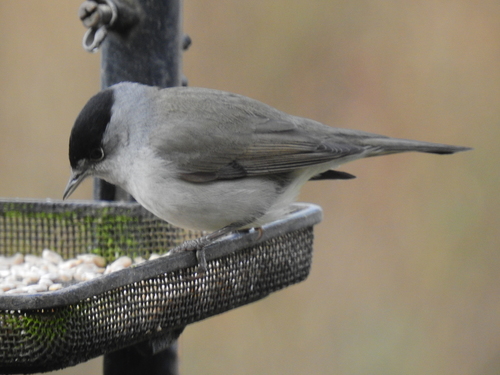 toutinegra-de-barrete
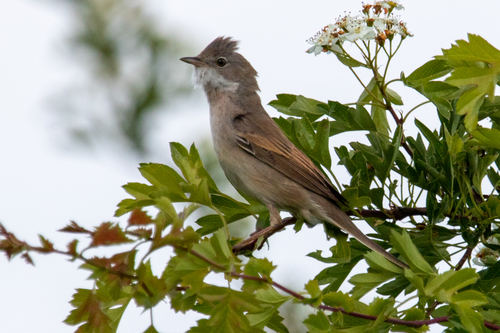 papa-amoras-comum
Em resumo
A marca de campo mais confiável entre a toutinegra-de-barrete e o papa-amoras-comum é o padrão da cabeça: as toutinegras mostram um boné bem definido (preto em machos adultos, castanho em fêmeas e juvenis), enquanto os papas-amoras nunca têm um boné, mostrando em vez disso uma cabeça lisa ou cinza com uma garganta branca contrastante. Toutinegras juvenis e fêmeas podem ser confundidas com fêmeas de papa-amoras, mas o boné (mesmo que acastanhado) e os tons gerais mais cinzentos da toutinegra são distintivos. Os papas-amoras são mais marrons na parte superior, com bordas castanhas nas asas e uma garganta branca clara. Em voo ou em repouso, as toutinegras parecem mais compactas e com bico mais pesado, enquanto os papas-amoras são mais esguios e leves. Ambas as espécies são comuns e podem se sobrepor em habitat, mas sua estrutura e padrões de cabeça permanecem as melhores pistas de campo.
Dicas de identificação
- Boné vs. sem boné: A toutinegra (todas as idades/sexos) mostra um boné distinto (preto em machos adultos, castanho em fêmeas/juvenis). O papa-amoras nunca mostra um boné—procure uma cabeça lisa ou cinza.
- Garganta branca: O papa-amoras (todas as idades) tem uma garganta branca clara e brilhante contrastando com a cabeça e o peito. A garganta da toutinegra é cinza pálido a prateada, mas nunca é branquíssima ou contrastante.
- Cor da cabeça em machos: O macho da toutinegra tem um boné preto em uma cabeça cinza; o macho do papa-amoras tem uma cabeça cinza sem boné e uma garganta branca.
- Confusão entre fêmeas/juvenis: Fêmeas e jovens toutinegras têm um boné castanho ou acastanhado; fêmeas de papa-amoras têm uma cabeça marrom lisa sem boné. Se você ver algum boné, é uma toutinegra.
- Partes superiores: A toutinegra é cinza-oliva na parte superior (mais cinza em machos, mais marrom em fêmeas/juvenis); o papa-amoras é marrom na parte superior com bordas castanhas nas penas das asas.
- Partes inferiores: A toutinegra é cinza pálido embaixo, às vezes prateada na garganta; o papa-amoras é amarelo-queimado embaixo, com uma garganta branca e menos contraste no peito.
- Estrutura do bico: A toutinegra tem um bico mais pesado e robusto; o bico do papa-amoras é mais fino e delicado.
- Forma geral: A toutinegra parece mais compacta e robusta; o papa-amoras é mais esguio e mais ereto, especialmente quando empoleirado.
- Cauda e bordas das asas: O papa-amoras mostra bordas castanhas nas penas das asas (especialmente em plumagem fresca); as asas e a cauda da toutinegra são mais uniformemente cinza-oliva.
- Comportamento: O papa-amoras é mais propenso a empoleirar-se em locais abertos, balançando a cauda e as asas; a toutinegra é mais furtiva, muitas vezes dentro de coberturas densas.
- Canto: O canto da toutinegra é rico e flautado; o do papa-amoras é áspero e repreensivo. Use o canto para separação rápida na primavera/verão.
- Chamado: O chamado do papa-amoras é um 'wed-wed' ou 'woid-woid' áspero; o da toutinegra é um 'tac' ou 'teck' forte. Chamados podem ser complicados, mas são diferentes com a experiência.
- Habitat: Se em floresta densa ou sub-bosque sombreado, a toutinegra é mais provável; a bramble aberta ou o matagal favorecem o papa-amoras.
- Tamanho: A toutinegra é ligeiramente maior e mais pesada, mas isso é sutil e melhor usado como evidência de apoio.
- Confusão juvenil: Toutinegras juvenis podem parecer tingidas de ruivo, mas ainda mostram um boné; juvenis de papa-amoras são mais marrons na parte superior, com uma garganta branca e sem boné. Sempre verifique a presença ou ausência de um boné em aves jovens.
Tamanho
A toutinegra-de-barrete é ligeiramente maior e mais pesada que o papa-amoras-comum, com uma massa corporal média de 18,1 g contra 14,5 g. No campo, essa diferença é sutil, mas a toutinegra muitas vezes parece mais robusta e compacta, enquanto o papa-amoras é mais esguio e delicado. Ambas são pequenas aves canoras, mas a construção ligeiramente mais robusta da toutinegra e seu bico mais pesado podem ser aparentes com boas vistas.
Plumagem
-
Juvenis/Aves de primeiro ano: Toutinegras juvenis se assemelham a fêmeas adultas, mas têm um boné acastanhado (mais escuro em machos jovens), partes superiores cinza-oliva com um leve tom ruivo, e mais oliva no peito e flancos. Juvenis de papa-amoras não têm boné, são marrons na parte superior com partes inferiores amarelo-queimado, e mostram bordas castanhas nas penas das asas. A garganta branca é geralmente aparente mesmo em jovens papas-amoras, enquanto as toutinegras nunca mostram uma mancha de garganta branquíssima.
-
Machos adultos: Machos de toutinegra são cinza-oliva na parte superior com um boné preto bem definido e partes inferiores cinza pálido, tornando-se brancas prateadas no queixo e na garganta. Machos de papa-amoras são marrons na parte superior, com uma cabeça cinza (sem boné), uma garganta muito branca, e asas com bordas castanhas. O contraste entre a cabeça cinza e a garganta branca é forte em machos de papa-amoras, mas a ausência de um boné é fundamental.
-
Fêmeas adultas: Fêmeas de toutinegra têm um boné castanho (não preto) e um tom mais marrom nas partes superiores cinzas. Fêmeas de papa-amoras não têm boné, têm uma cabeça marrom lisa, e uma garganta branca mais apagada. Ambas podem parecer semelhantes em tom geral, mas a presença ou ausência de um boné é diagnóstica.
-
Padrão de voo/asas: Nenhum padrão distinto de asas ou cauda é notado para qualquer uma das espécies em voo, mas as bordas castanhas nas penas das asas do papa-amoras podem ser vistas de perto. As asas e a cauda da toutinegra são mais uniformemente cinza-oliva.
Comportamento
Ambas as espécies são ativas, mas a toutinegra tende a se mover de forma mais deliberada e muitas vezes permanece dentro de coberturas densas, ocasionalmente saindo para cantar. O papa-amoras é mais inquieto, frequentemente balançando sua cauda e asas, e é mais provável que se empoleire abertamente no topo de arbustos ou brambles, especialmente ao cantar. Machos de toutinegra podem exibir levantando suas penas da coroa e arrepiando a cauda, enquanto machos de papa-amoras frequentemente cantam de poleiros expostos com uma postura mais ereta.
Habitat
Ambas as espécies são amplamente distribuídas e podem ocorrer em habitats sobrepostos, como matagal, borda de floresta e cercas vivas. A toutinegra é mais frequentemente encontrada em sub-bosques ou florestas mais densas, enquanto o papa-amoras prefere matagal aberto, áreas de bramble e pastagens ásperas com arbustos dispersos. Em áreas com ambas, a toutinegra é mais provável de ser ouvida ou vista dentro de coberturas sombreadas, enquanto o papa-amoras é mais provável de ser visto em locais abertos.
Voz
O canto da toutinegra é rico, trinado e melódico, frequentemente comparado a um melro em miniatura, com notas claras e flautadas. O canto do papa-amoras é mais rápido, áspero e mais repreensivo, com uma qualidade rouca e ligeiramente nasal. O chamado do papa-amoras é um 'wed-wed' ou 'woid-woid' áspero, enquanto o chamado da toutinegra é um 'tac' ou 'teck' forte. No campo, a diferença na qualidade do canto é geralmente óbvia, mas os chamados podem ser mais confusos.
toutinegra-de-barrete · papa-amoras-comum · Minhas aves difíceis