
Capinera vs Sterpazzola
Sylvia atricapilla contro Curruca communis
Fai un quiz con Capinera e Sterpazzola
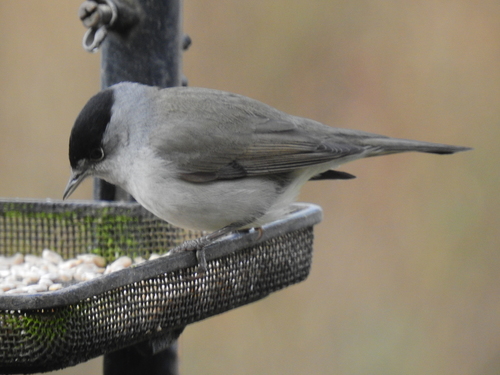 Capinera
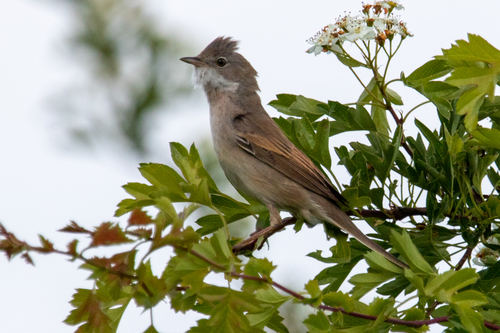 Sterpazzola
In breve
Il segno distintivo più affidabile tra Capinera e Sterpazzola è il motivo della testa: le capinere mostrano un cappello ben definito (nero nei maschi adulti, castano nelle femmine e nei giovani), mentre le sterpazzole non hanno mai un cappello, mostrando invece una testa uniforme o grigia con una gola bianca a contrasto. Le capinere giovani e femmine possono essere confuse con le femmine di sterpazzola, ma il cappello (anche se marrone) e le tonalità complessive più grigie della capinera sono distintive. Le sterpazzole sono più marroni sopra, con bordi castani sulle ali e una gola bianca chiara. In volo o a riposo, le capinere appaiono più compatte e con un becco più pesante, mentre le sterpazzole sono più snelle e leggere. Entrambe le specie sono comuni e possono sovrapporsi nell'habitat, ma la loro struttura e i motivi della testa rimangono i migliori indizi sul campo.
Consigli di identificazione
- Cappello vs. senza cappello: La capinera (tutte le età/sessi) mostra un cappello distintivo (nero nei maschi adulti, castano nelle femmine/giovani). La sterpazzola non mostra mai un cappello: cerca una testa uniforme o grigia.
- Gola bianca: La sterpazzola (tutte le età) ha una gola bianca chiara e brillante che contrasta con la testa e il petto. La gola della capinera è grigia chiara o argentata, ma mai bianchissima o a contrasto.
- Colore della testa nei maschi: Il maschio di capinera ha un cappello nero su una testa grigia; il maschio di sterpazzola ha una testa grigia senza cappello e una gola bianca.
- Confusione femminile/giovanile: Le femmine e i giovani di capinera hanno un cappello castano o marrone; le femmine di sterpazzola hanno una testa marrone uniforme senza cappello. Se vedi un cappello, è una capinera.
- Parte superiore: La capinera è grigia-oliva sopra (più grigia nei maschi, più marrone nelle femmine/giovani); la sterpazzola è marrone sopra con bordi castani sulle penne delle ali.
- Parte inferiore: La capinera è grigia chiara sotto, a volte argentata sulla gola; la sterpazzola è color crema sotto, con una gola bianca e meno contrasto sul petto.
- Struttura del becco: La capinera ha un becco più pesante e robusto; il becco della sterpazzola è più fine e delicato.
- Forma generale: La capinera appare più compatta e robusta; la sterpazzola è più snella e più eretta, specialmente quando è posata.
- Coda e bordi delle ali: La sterpazzola mostra bordi castani sulle penne delle ali (soprattutto nel piumaggio fresco); le ali e la coda della capinera sono più uniformemente grigio-olive.
- Comportamento: La sterpazzola è più propensa a posarsi in luoghi aperti, muovendo coda e ali; la capinera è più schiva, spesso all'interno di coperture dense.
- Canto: Il canto della capinera è ricco e melodioso; quello della sterpazzola è graffiante e rimproverante. Usa il canto per una rapida separazione in primavera/estate.
- Richiamo: Il richiamo della sterpazzola è un ruvido 'wed-wed' o 'woid-woid'; quello della capinera è un duro 'tac' o 'teck'. I richiami possono essere complicati ma sono diversi con l'esperienza.
- Habitat: Se in boschi densi o sottobosco ombreggiato, è più probabile trovare la capinera; il rovo aperto o il cespuglio favoriscono la sterpazzola.
- Dimensioni: La capinera è leggermente più grande e pesante, ma questa è una differenza sottile e meglio utilizzata come prova di supporto.
- Confusione giovanile: I giovani di capinera possono sembrare con sfumature rugginose ma mostrano comunque un cappello; i giovani di sterpazzola sono più marroni sopra, con una gola bianca e senza cappello. Controlla sempre la presenza o l'assenza di un cappello negli uccelli giovani.
Taglia
La Capinera è leggermente più grande e pesante della Sterpazzola, con una massa corporea media di 18.1 g contro 14.5 g. Sul campo, questa differenza è sottile, ma la capinera appare spesso più robusta e compatta, mentre la sterpazzola è più snella e delicata. Entrambi sono piccoli uccelli canori, ma la costruzione leggermente più robusta della capinera e il becco più pesante possono essere evidenti con buone osservazioni.
Piumaggio
-
Giovani/Uccelli di primo anno: I giovani di capinera assomigliano alle femmine adulte ma hanno un cappello castano (più scuro nei giovani maschi), parti superiori grigie-olive con una leggera sfumatura rugginosa e più oliva sul petto e sui fianchi. I giovani di sterpazzola non hanno alcun cappello, sono marroni sopra con parti inferiori color crema e mostrano bordi castani sulle penne delle ali. La gola bianca è solitamente evidente anche nei giovani di sterpazzola, mentre le capinere non mostrano mai una macchia di gola bianca netta.
-
Maschi adulti: I maschi di capinera sono grigio-olive sopra con un cappello nero ordinato e parti inferiori grigie chiare, diventando bianche argentate sul mento e sulla gola. I maschi di sterpazzola sono marroni sopra, con una testa grigia (senza cappello), una gola molto bianca e ali con bordi castani. Il contrasto tra la testa grigia e la gola bianca è forte nei maschi di sterpazzola, ma l'assenza di un cappello è fondamentale.
-
Femmine adulte: Le femmine di capinera hanno un cappello castano (non nero) e una sfumatura più marrone nelle parti superiori grigie. Le femmine di sterpazzola non hanno un cappello, hanno una testa marrone uniforme e una gola bianca più opaca. Entrambi possono sembrare simili nel tono generale, ma la presenza o l'assenza di un cappello è diagnostica.
-
Schema di volo/ali: Non si nota alcun schema distintivo delle ali o della coda per nessuna delle due specie in volo, ma i bordi castani delle penne delle ali nella sterpazzola possono essere visti da vicino. Le ali e la coda della capinera sono più uniformemente grigio-olive.
Comportamento
Entrambe le specie sono attive, ma la capinera tende a muoversi in modo più deliberato e spesso rimane all'interno di coperture dense, uscendo occasionalmente per cantare. La sterpazzola è più irrequieta, muovendo frequentemente la coda e le ali, ed è più propensa a posarsi apertamente in cima a cespugli o rovi, specialmente quando canta. I maschi di capinera possono esibirsi alzando le piume della corona e gonfiando la coda, mentre i maschi di sterpazzola cantano spesso da posatoi esposti con una postura più eretta.
Habitat
Entrambe le specie sono diffuse e possono verificarsi in habitat sovrapposti come cespugli, margini di bosco e siepi. La capinera si trova più spesso in sottoboschi o boschi più densi, mentre la sterpazzola preferisce cespugli aperti, macchie di rovo e terreni erbosi accidentati con cespugli sparsi. In aree con entrambe, la capinera è più probabile che venga udita o vista all'interno di coperture ombreggiate, mentre la sterpazzola è più probabile che venga vista in aperto.
Voce
Il canto della capinera è ricco, melodioso e warbling, spesso paragonato a un merlo in miniatura, con note chiare e flautate. Il canto della sterpazzola è più veloce, graffiante e rimproverante, con una qualità rauca e leggermente nasale. Il richiamo della sterpazzola è un ruvido 'wed-wed' o 'woid-woid', mentre il richiamo della capinera è un duro 'tac' o 'teck'. Sul campo, la differenza nella qualità del canto è solitamente evidente, ma i richiami possono essere più confusi.